Sorry – No Posts For A While !

Hello dear friends and all loyal readers.

For important personal reasons I will not publish any more articles for some months. There is simply not enough time now.

Please understand and stay faithful to me !

A hearty „ciao“ and stay healthy,
Mike.


Hallo liebe Freunde und alle treuen Leser.

Aus wichtigen persoenlichen Gruenden werde ich fuer einige Monate keine Beitraege mehr veroeffentlichen. Es fehlt jetzt einfach die Zeit.

Bitte um Verstaendnis und bleibt mir treu !

Ein herzlichen „ciao“ und bleibt gesund,
Mike.


Hola queridos amigos y todos los fieles lectores.

Por razones personales importantes, no publicaré más posts durante unos meses. Simplemente, ahora no hay tiempo suficiente.

Por favor, comprenda y manténgase fiel a mí.

Un cordial „ciao“ y manténgase saludable,
Mike.

Veröffentlicht unter Information | Verschlagwortet mit | 4 Kommentare

Liquid Gold

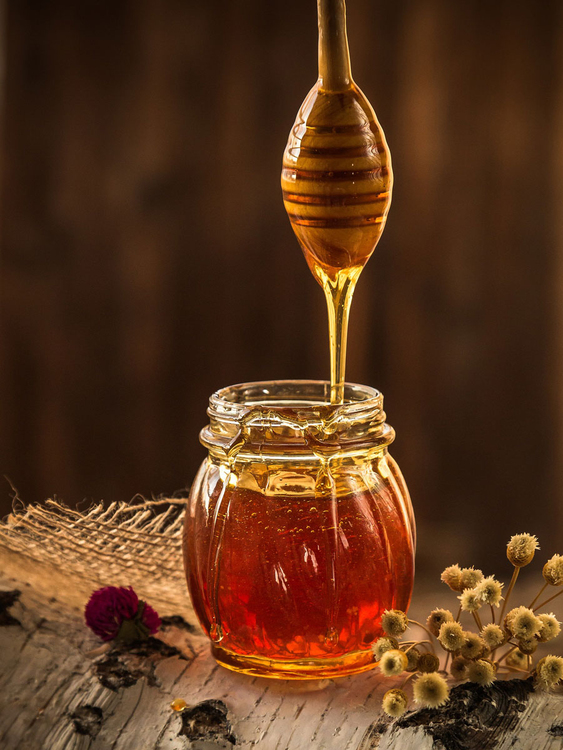
LIQUID GOLD.

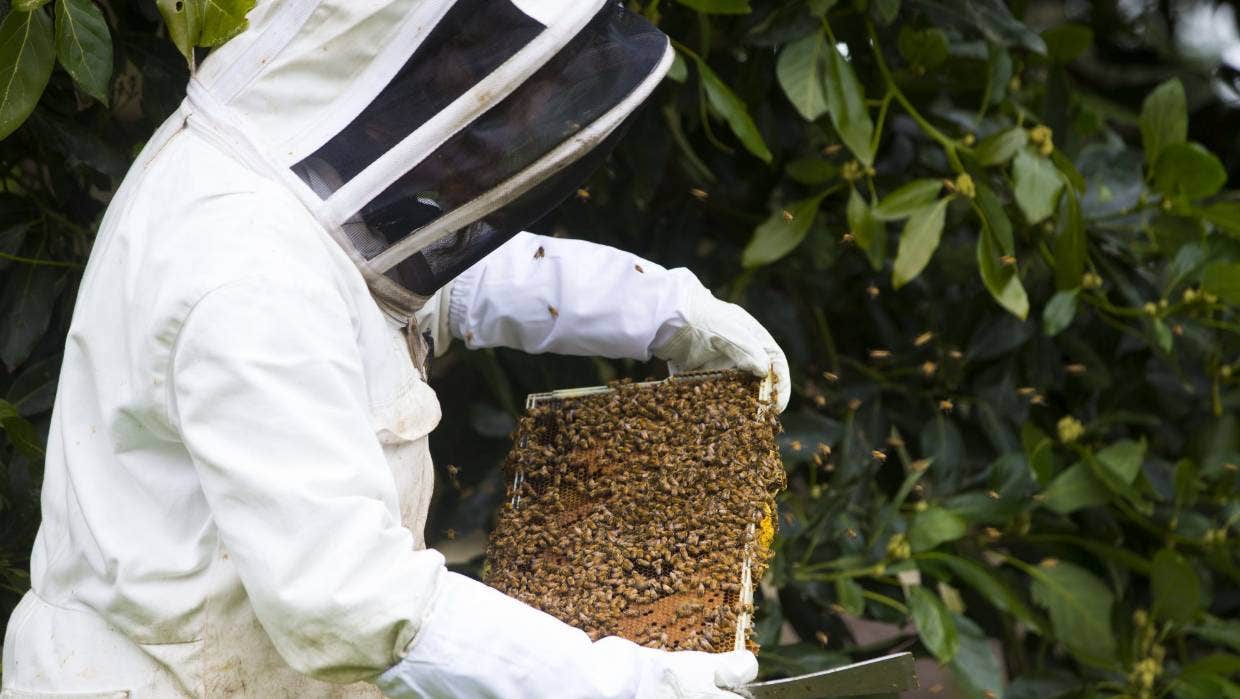
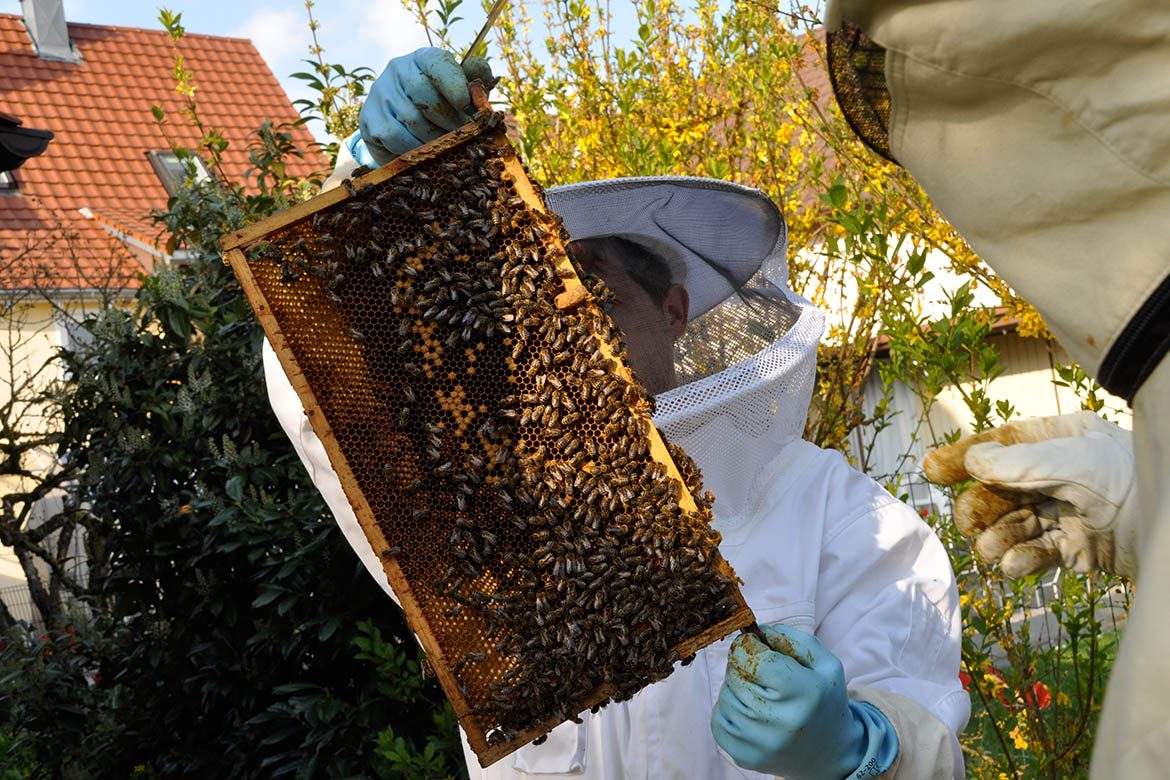
The production of sweet, golden honey is a masterpiece of bees that has amazed people for thousands of years. Bees suck up nectar or honeydew with their proboscises and transport it in their honey bladders – taking pollen with them as they fly by.

Worker bees collect the raw material of honey – nectar from flowers for the production of flower honey. Honeydew is collected for the production of forest honey. For this purpose, the sieve tube sap of deciduous or coniferous trees, which is excreted again by scale, bark or aphids, is taken up. The pollen sticks to the bee’s coat while collecting the nectar and is transferred to the stigma of the next plant species it visits.


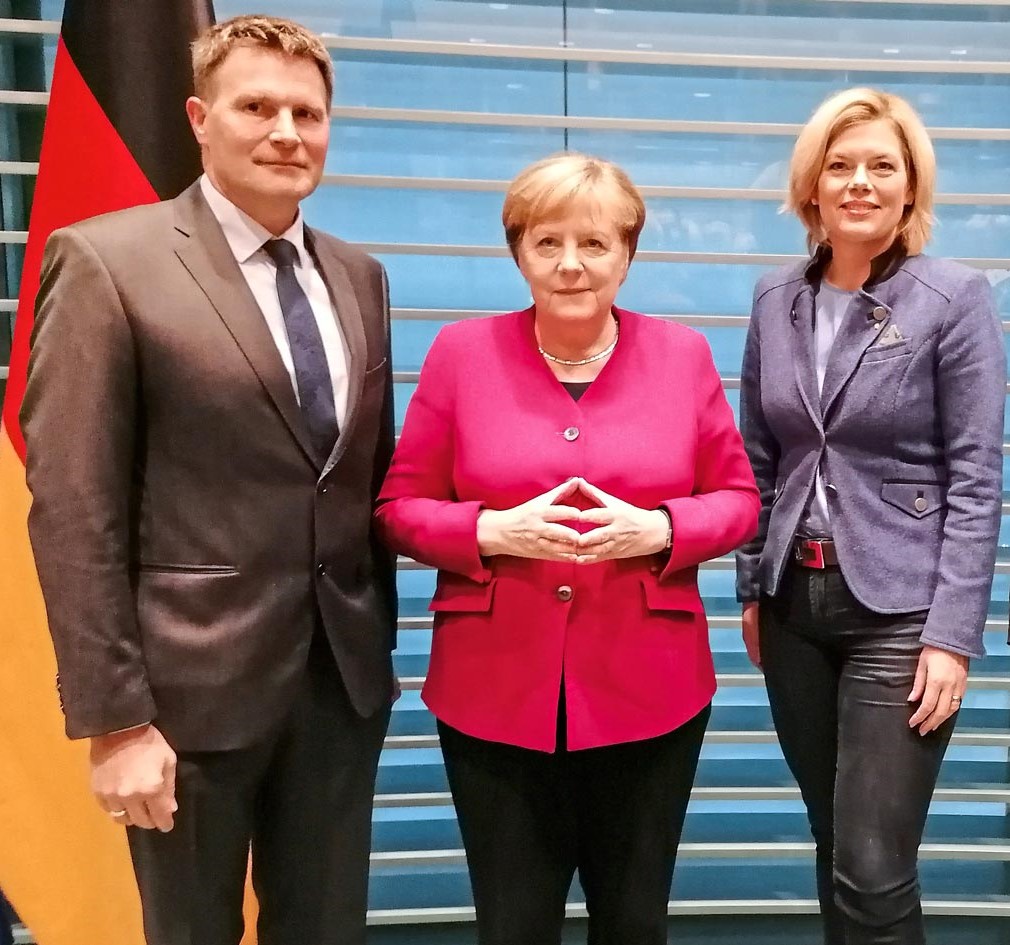
„For a 500-gram jar of honey, honeybees pollinate 75 million flowers and thus make a very significant contribution to the preservation of species and plant diversity in our nature,“ explains Torsten Ellmann, President of the German Beekeepers‘ Association. Ellman with chancellor Merkel and minister of agriculture Kloeckner.

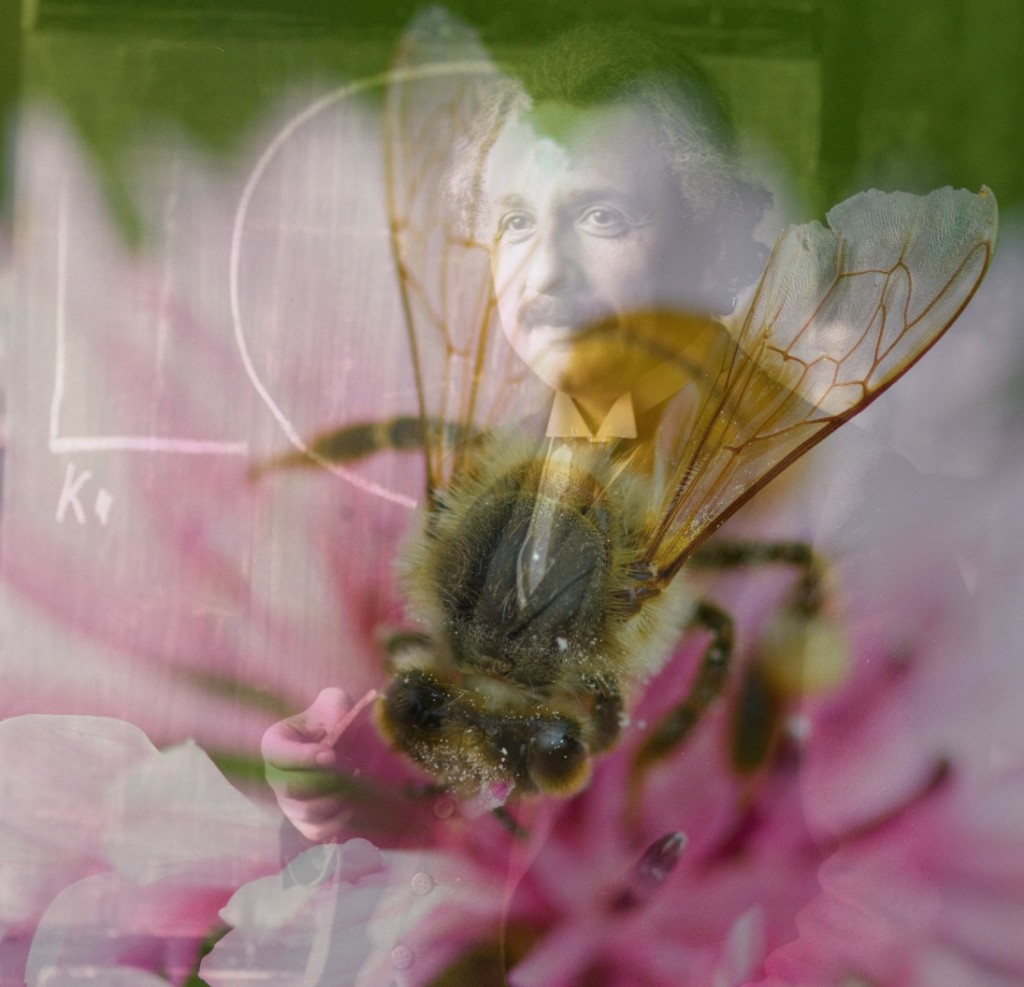
In this way, the bee ensures the continued life of plants, humans and animals practically as it flies by – as Albert Einstein put it: „Once the bee disappears from the earth, humans will only have four years to live. No more bees, no more pollination, no more plants, no more animals, and no more people“.


Professor Albert Einstein, the learned scientist, once calculated that if all bees disappeared off the earth, four years later all humans would also have disappeared.Wenn die Biene vier Jahre nicht fliegt, stirbt der Mensch. Es gibt nur zwei Dinge, die sind unendlich, das Universum und die Dummheit der Menschen!

A closer look shows why the diligence of bees is legendary: they collect their honey in a radius of three kilometers around the hive. A collecting bee makes up to ten trips per day. One kilo of honey requires around 150,000 kilometers of flight and a visit to up to two million flowers. Back in the hive, the collecting bee passes the still unripe honey on to the hive bees, which transfer the nectar several times – taking it up again and again and releasing it again. In the process, the nectar is enriched with enzymes, proteins, acids and other substances, and the water content is reduced.

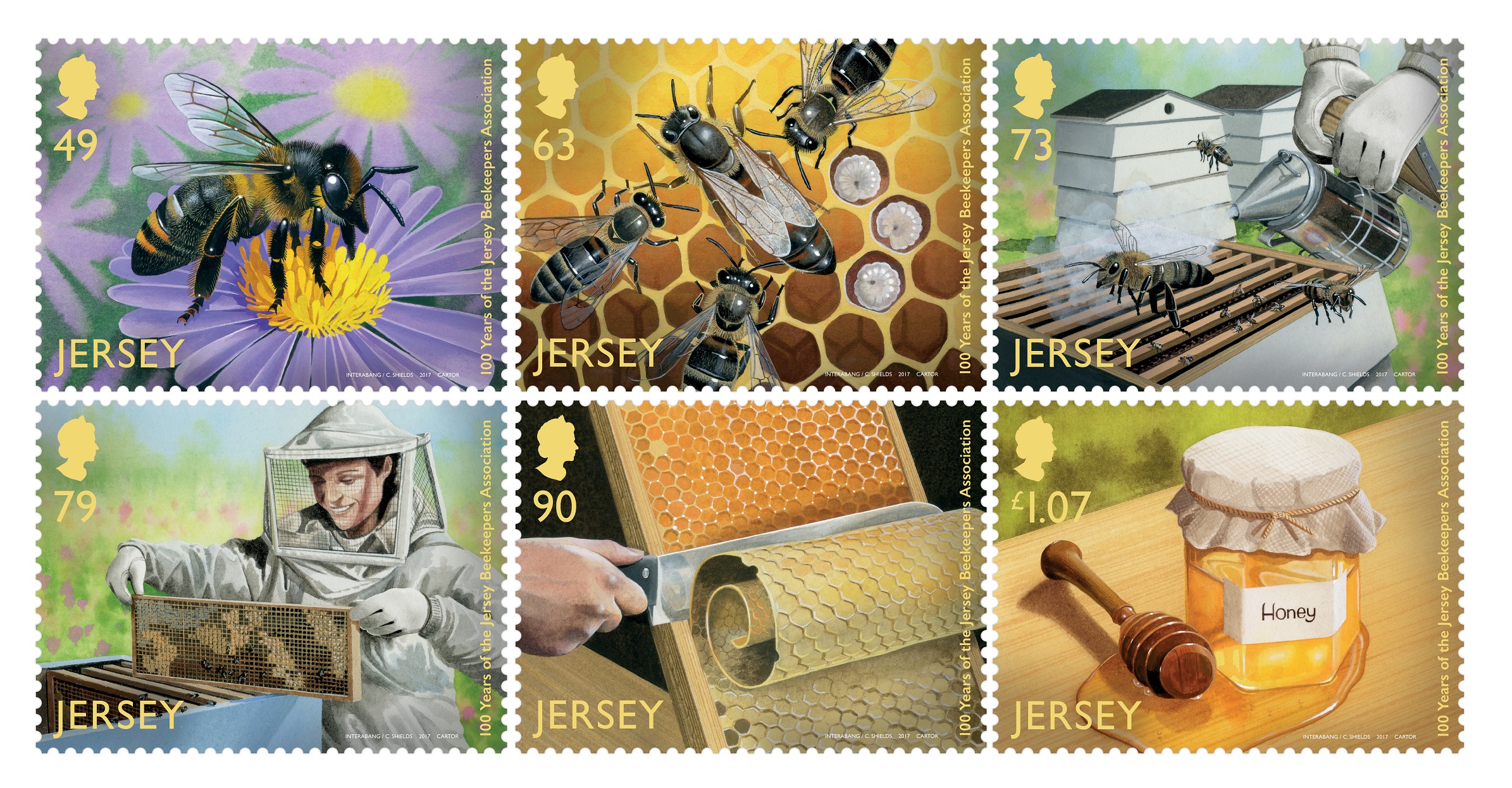
The whole bee-work and honey-production, well to see on a set of stamps of the island of Jersey. One of the channel islands belonging to the United Kingdom.

Finally, the finished honey is stored in hexagonal storage cells, which finally form a honeycomb. By fanning the bees with their wings, the moist air is transported out of the hive, and dry outside air can flow through the hive. In this way, the bees manage to reduce the water content from an initial level of about 75 percent to less than 20 percent. As soon as the desired water content is reached, the bees seal the honey cells with air-impermeable wax lids.

MIRACLE FOOD AND SUPERFOOD.

The diversity and richness of its ingredients make honey a unique natural product: more than 180 different substances, including various sugars, amino acids, enzymes, essential oils, polyphenols, flavones, tannins and vitamins (B1, B6, C). The effectiveness of honey for health has long been proven. As a natural antibiotic, it brings rapid relief from colds and respiratory ailments.

A study published last year by a team of researchers led by Hiba-tullah Abuelgasim of the Oxford University Medical School seems to confirm this scientifically. The researchers summarized the results of 14 studies with nearly 1,800 participants and came to the conclusion that honey works better for respiratory infections than standard treatment, especially for the strength and frequency of the cough. In addition, honey could shorten the duration by one to two days, the study found.

Honey is also used as a natural remedy for bacterial, internal and external diseases, fungal infections, colds and stomach and intestinal disorders. Even for the treatment of wounds honey can be used. „Qualitätshonig“ (German for quality honey) of the beekeeper contains innumerable valuable contents materials, which for our immune system, our digestion and our general well-being can be valuable.


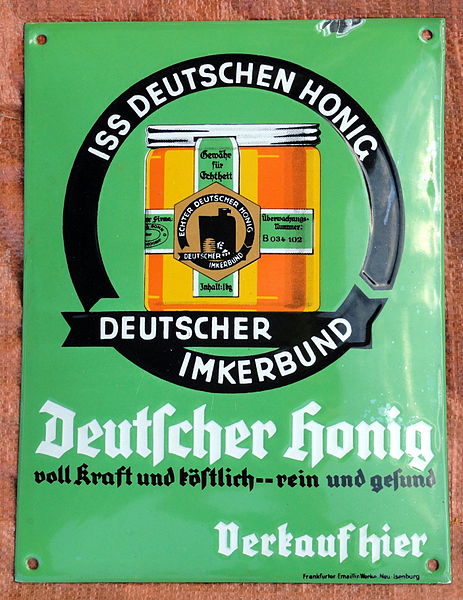
An extremely rare enamel advertising sign for German honey from the 1930s.
Its golden color, its very special taste and its health-promoting ingredients make honey something special. It is a super-food with healing properties for body and mind. And with its noble shine like a caress for the soul.

„For me, it is the sum of its properties, but first and foremost its taste, consistency and aesthetics. A loaf of honey bread for breakfast makes me happy,“ says beekeeper Georg Rohrauer from the Rohrauer organic farm in Burgenland, Austria.

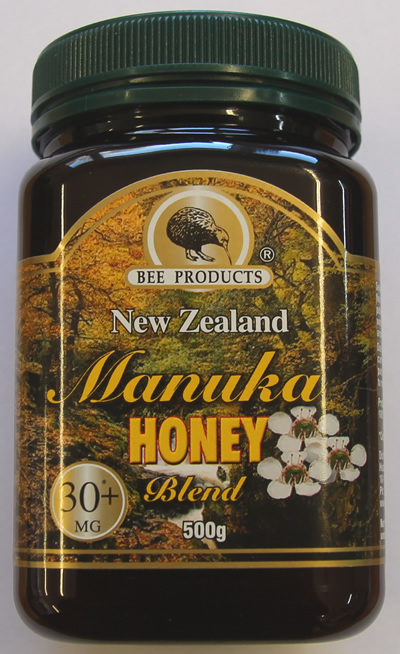
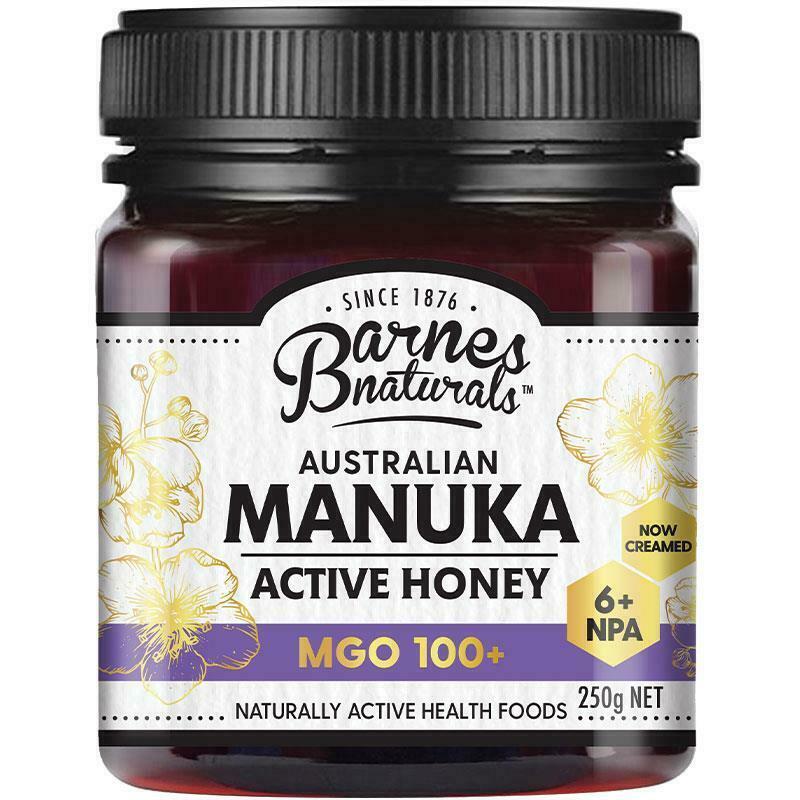
One type of honey has proven to be particularly helpful for health and has established itself as a super-food: Manuka honey from New Zealand. This is won from the flower nectar of the South Sea myrtle. What makes it so unique is the additive methylglyoxal, with which it can fight particularly aggressively against bacteria.


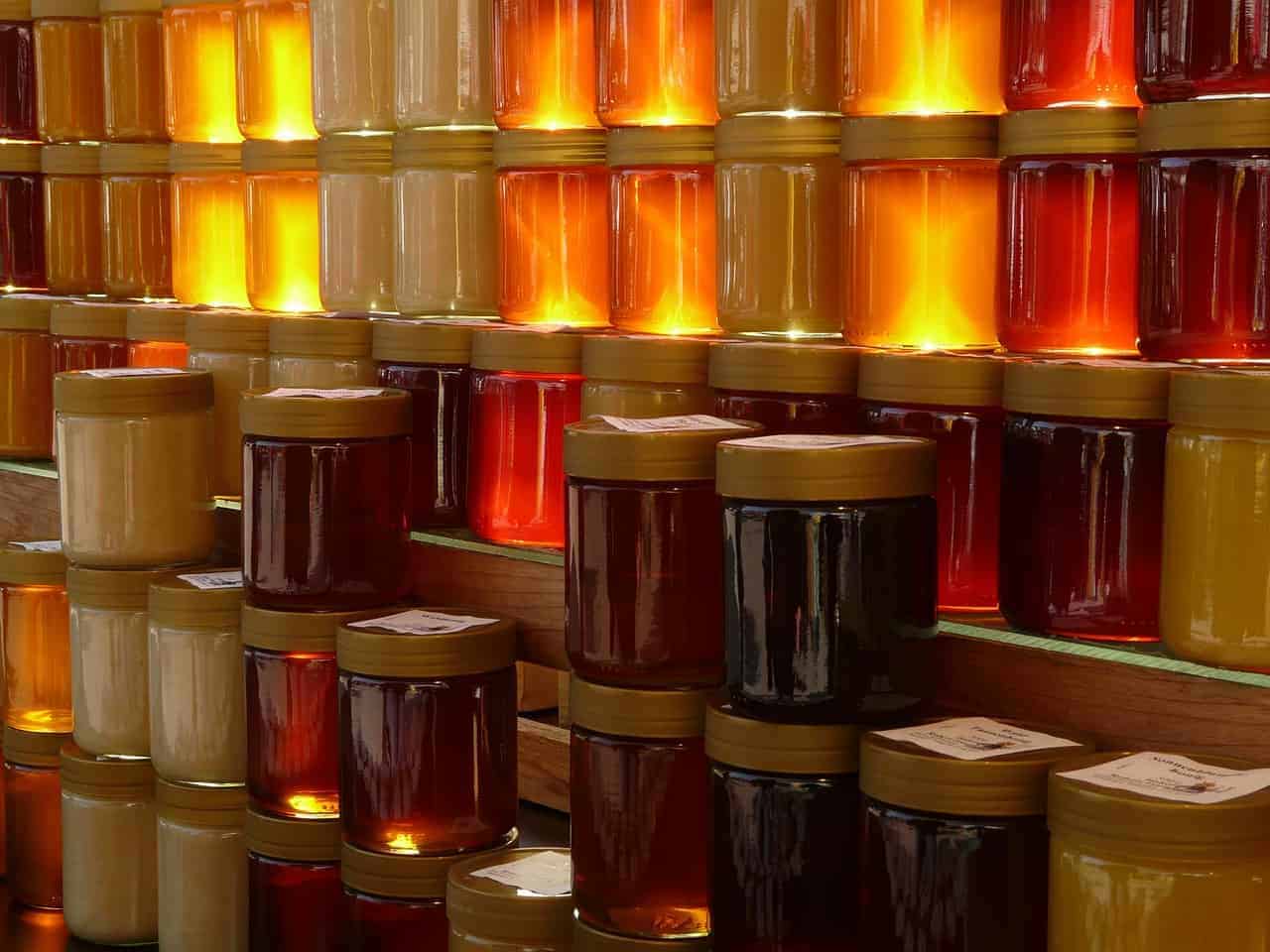
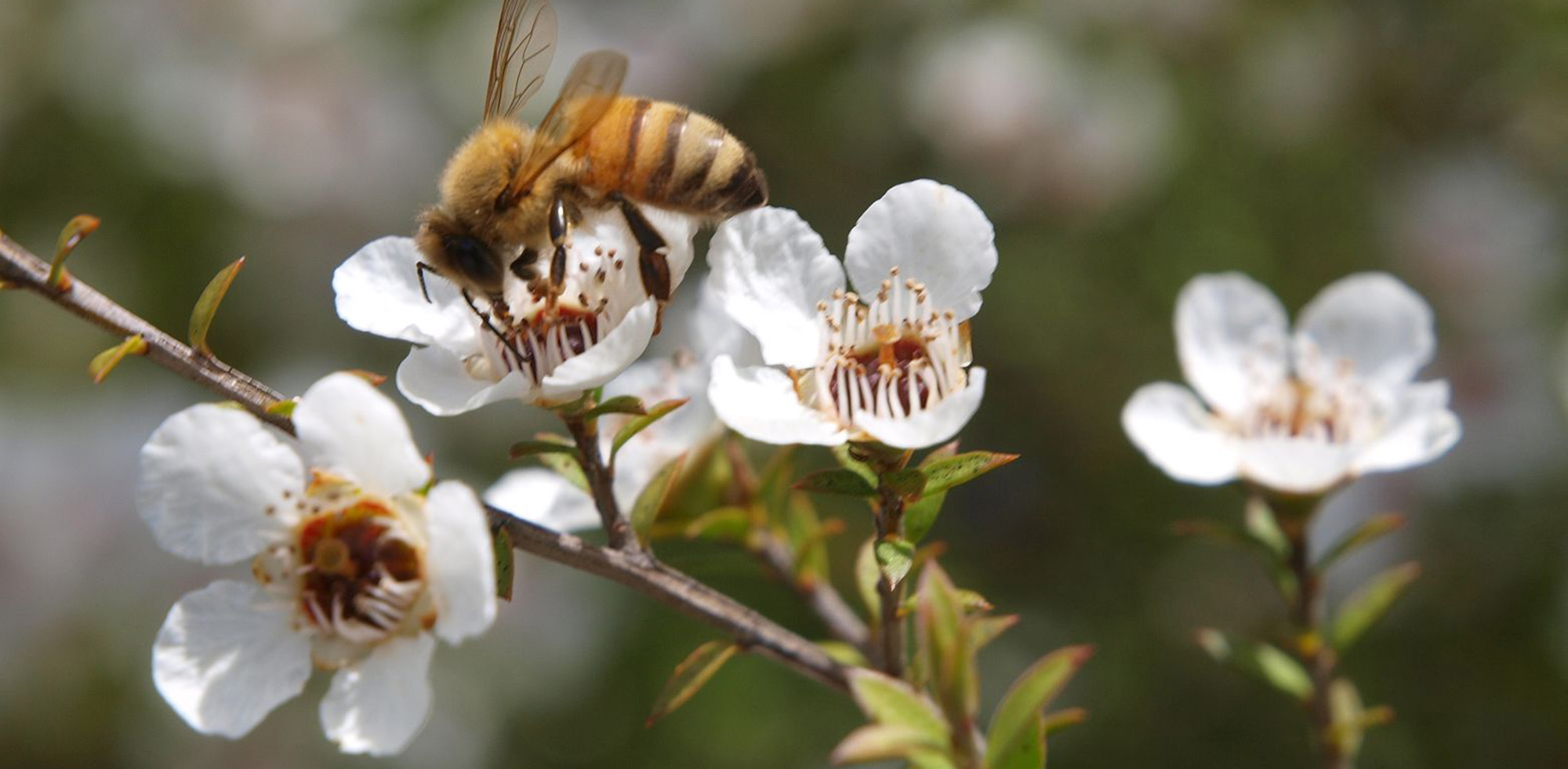
Manuka honey from New Zealand, left, and Manuka honey from Australia, right. That one we used for many years in Australia, the taste – absolutely delicious. Both are harvested from the South Sea Myrtle Flower, as you can see in the following picture.

Depending on the concentration of the active ingredient in the honey, prices of over 60 euros per 100 g can be achieved. „In addition to honey, there are several other bee products that are true super-foods,“ explains Maria Binder from the Vienna District Beekeeper’s Association. Thus for example bloom pollen is led in Austria under the food auxiliary means. „For humans, flower pollen provides 21 of 22 vital amino acids. In addition, minerals and trace elements such as potassium, magnesium and iron and almost all vitamins (B1-B12, C, D, E, K, A) and many other substances that are beneficial for the natural regeneration of the body,“ continues Binder.

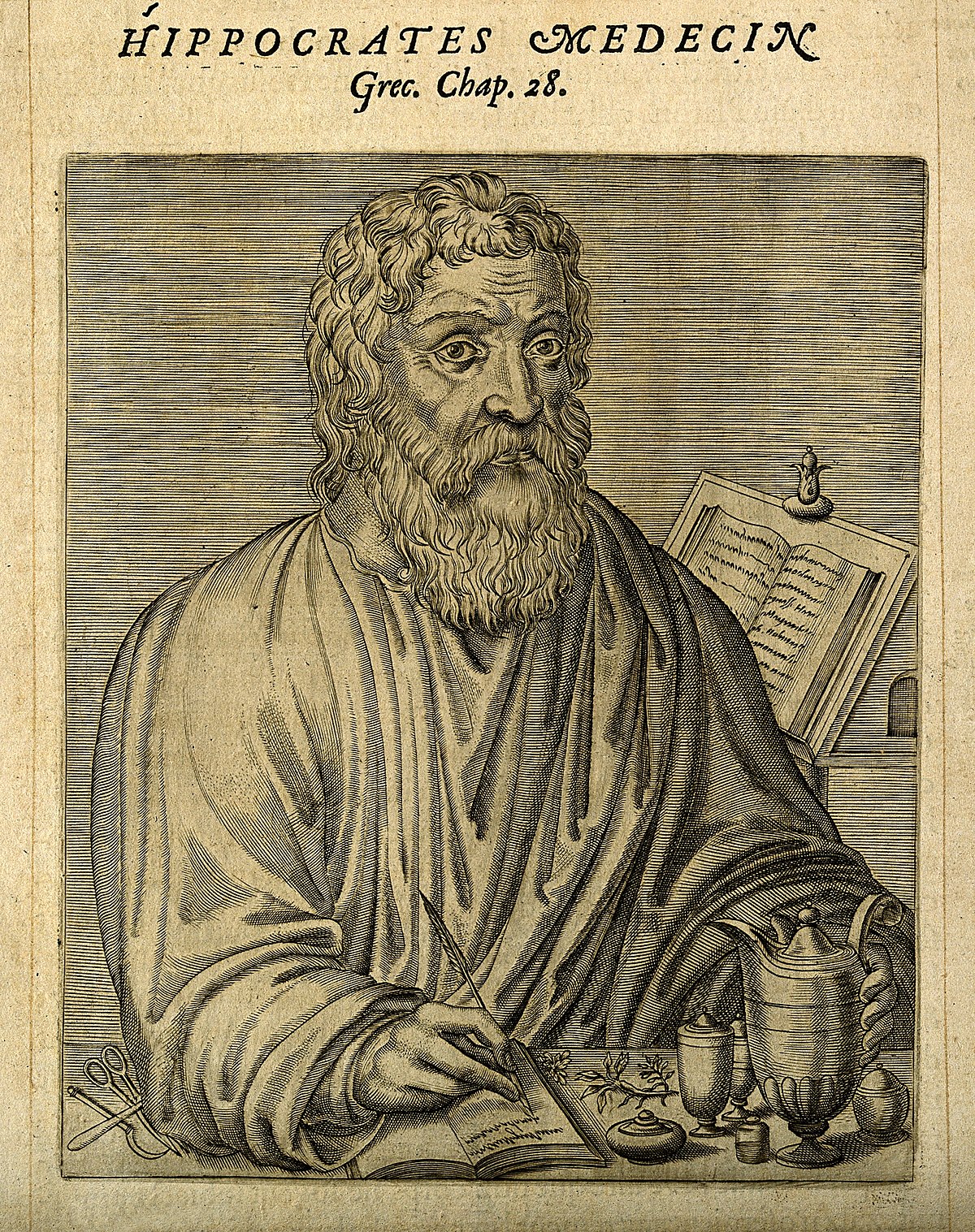
Hippocrates (c. 460 – c. 370 BC) was a Greek physician of the Age of Pericles (Classical Greece), who is considered one of the most outstanding figures in the history of medicine.

FROM HIPPOCRATES TO GOETHE.

The medical effectiveness of honey was recognized very early. As early as 400 BC, Hippocrates (around 460 BC to about 370 BC), who is considered the father of modern medicine, treated his patients with honey. According to his experience, honey was supposed to help with fever, headaches and open wounds or boils. For this purpose, he often mixed it with vinegar or alcohol. He also experimented with bee venom for joint inflammation.

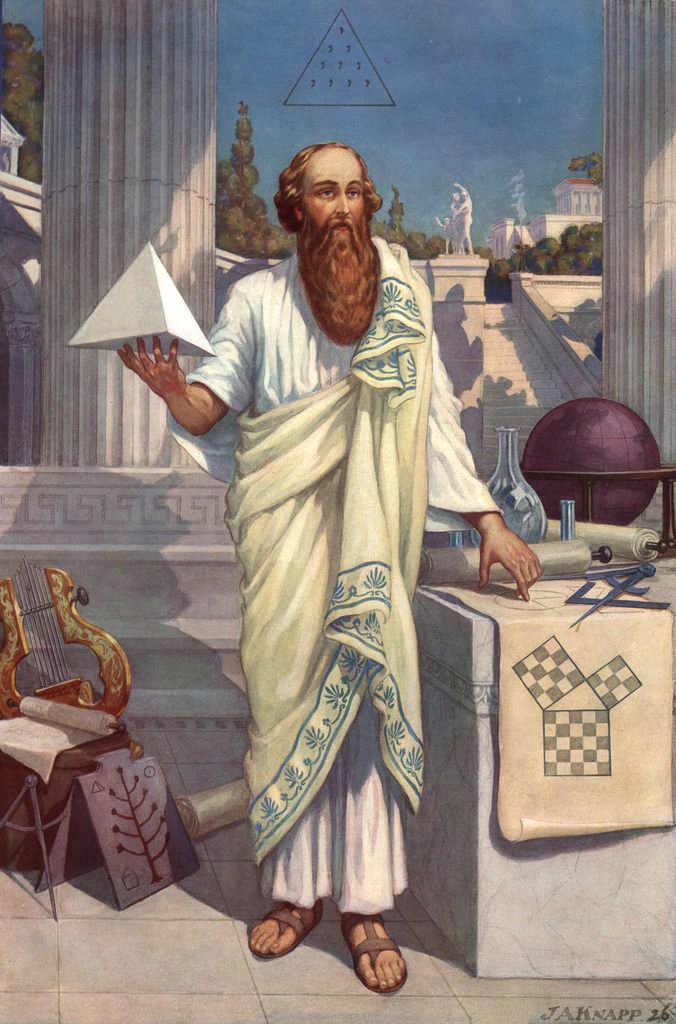
Pythagoras (c. 570 – 495 BC) was an ancient Ionian Greek philosopher and the eponymous founder of Pythagoreanism. He relied on the healthy effect of honey.

For Pythagoras (around 570 B.C. to about 500 B.C.) honey was an elixir of life. He was convinced that regular consumption of honey would protect him from disease and give him a long life. Honey was therefore part of every meal he ate. Alternatively, he drank a glass of wine with his meal, in which he had dissolved a spoonful of honey.

The Roman epic poet Virgil (70 B.C. to 19 A.D.) dedicated the fourth book of his „Georgica“ to beekeeping and described the life of bees – but in his case a bee king was the boss of the hive.

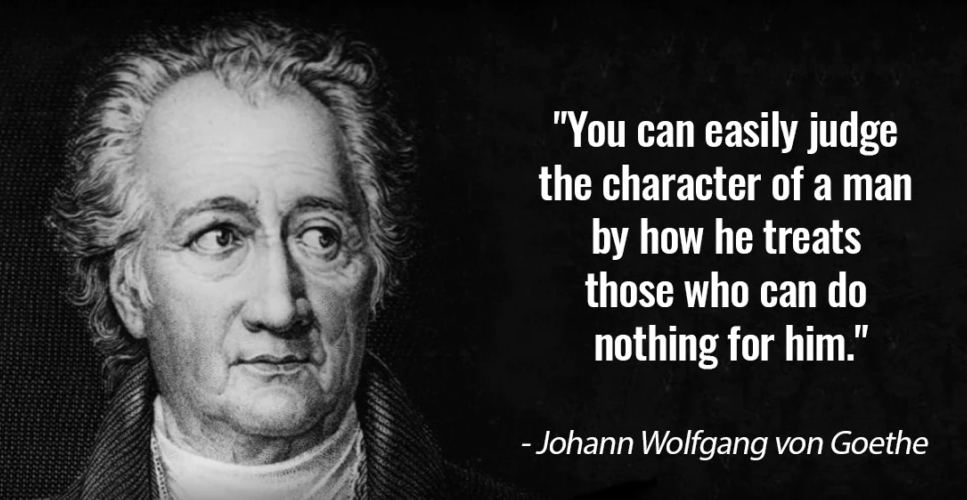
Among the bee lovers we find Johann Wolfgang von Goethe, who was not only a poet, but also a passionate naturalist. He kept bees in his garden in Weimar, which inspired him to write many a poem.

Goethe was not only a poet, but also a naturalist. With his wife, he kept bees in the garden in Weimar. The bees inspired him again and again to comparisons or poems. One example:

A flower bell from the ground out
Had sprouted merrily in lovely bloom.
There came a little bee and nibbled finely,
Oh, they must both be for each other!

O.k. in English it doesn’t rhyme anymore, but still nice.

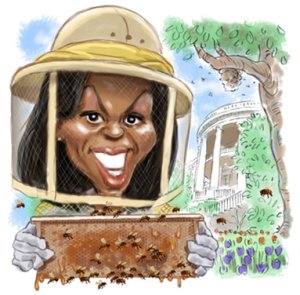
  Michelle Obama with beehive in the White House.

MORE FAMOUS BEEKEEPERS.

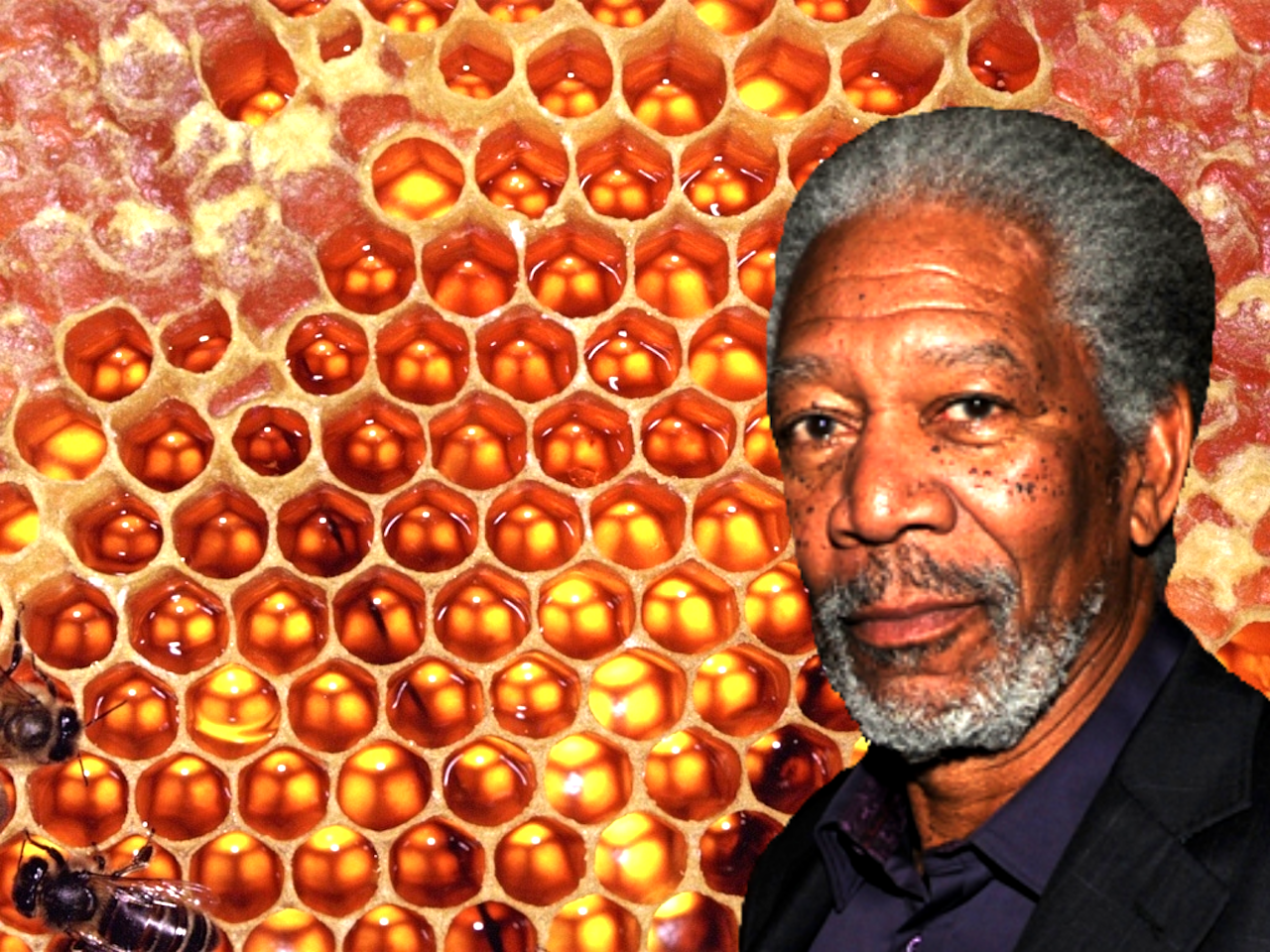
The American presidents George Washington and Thomas Jefferson also devoted themselves to bees in addition to their political careers. And Sir Edmund Hillary, the first man to climb Mount Everest, was actually a professional beekeeper. Other famous beekeepers are known, like Sherlock Holmes, Henry Fonda, Leo Tolstoy, Maria von Trapp, Michelle Obama, Morgan Freeman, Martha Stewart, Leonardo Di Caprio and many more.

HISTORY OF HONEY.

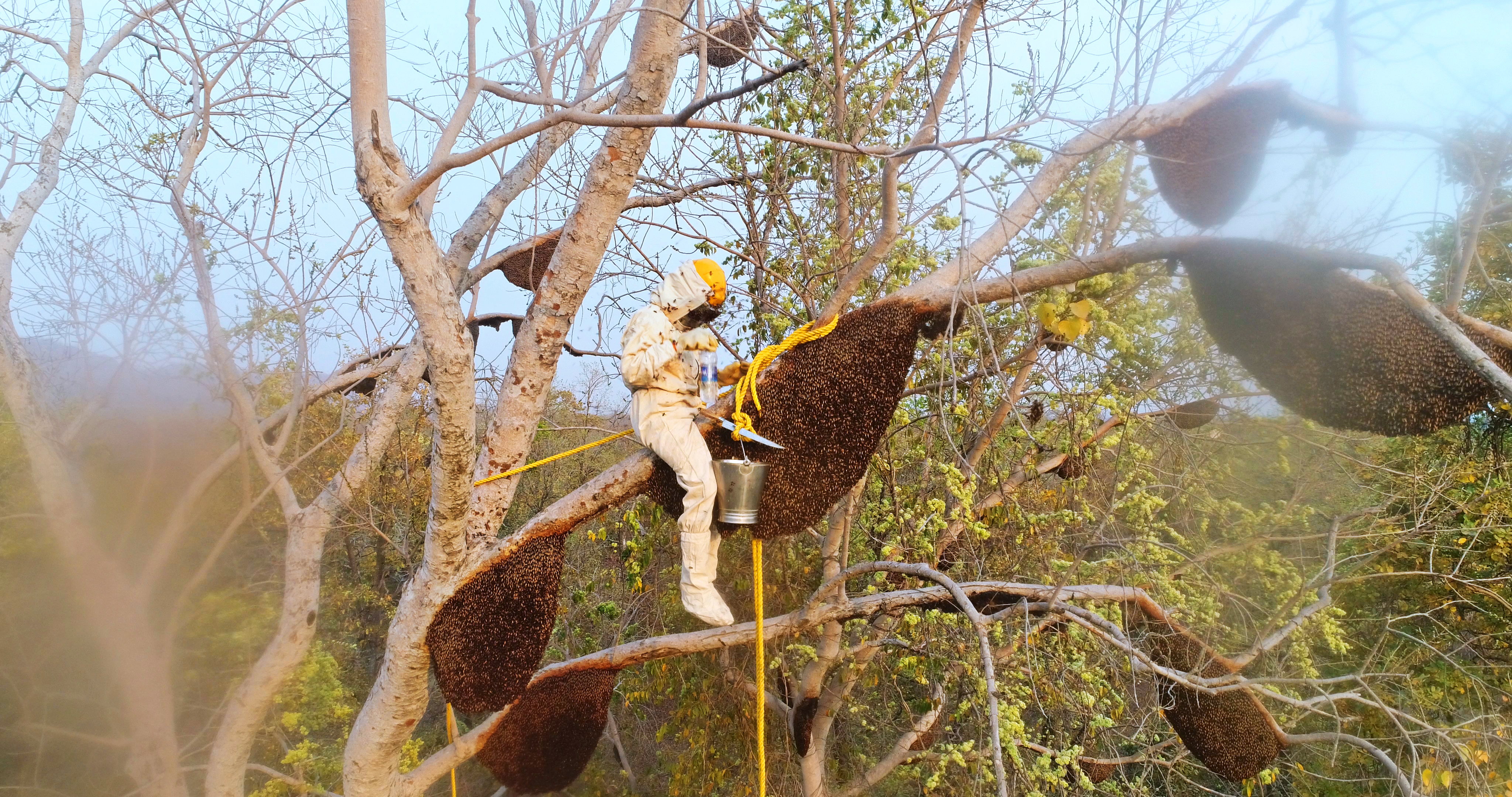
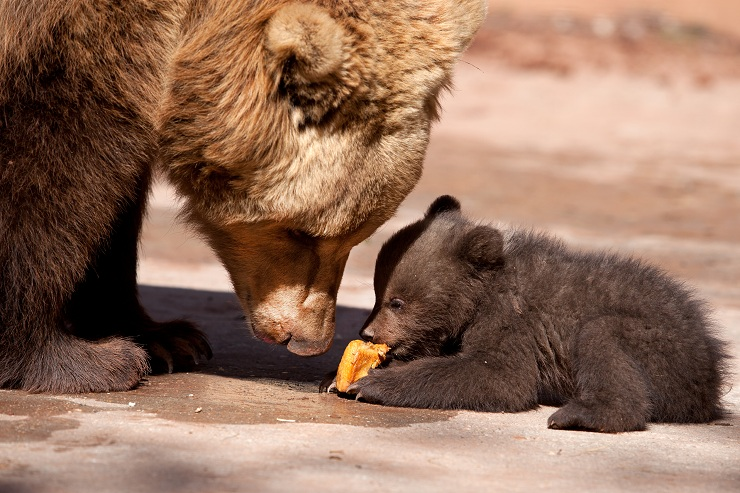
The fact that honey is an important part of human history is shown by cave paintings of „honey hunters“ dating back more than 9.000 years and by shards of vessels in which beeswax has been found. These prove that already humans in the Neolithic Age had discovered bees as suppliers of honey and wax for themselves. Honey served at that time not only as food, but was used also purposefully as bait with the bear hunt.


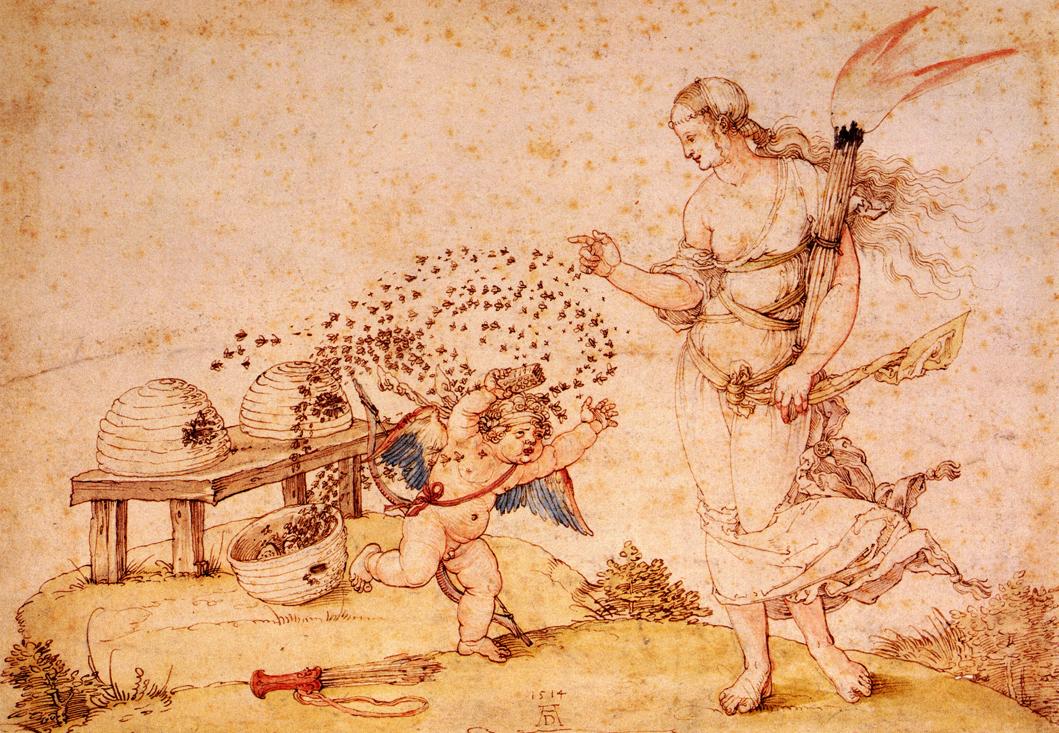
Wonderful bee drawing by Albrecht Dürer (21 May 1471 – 6 April 1528). He was a German painter, print-maker, and theorist of the German Renaissance.

Cave paintings of people collecting honey can be found in Spain, in today’s Algeria, in Libya or in South Africa. Starting with the early Neolithic farmers in Anatolia, we can trace how the regular use of beeswax spread across Europe: In western Turkey, wax remains are found in sherds that are around 7.500 years old, and in the Balkans a few centuries later.


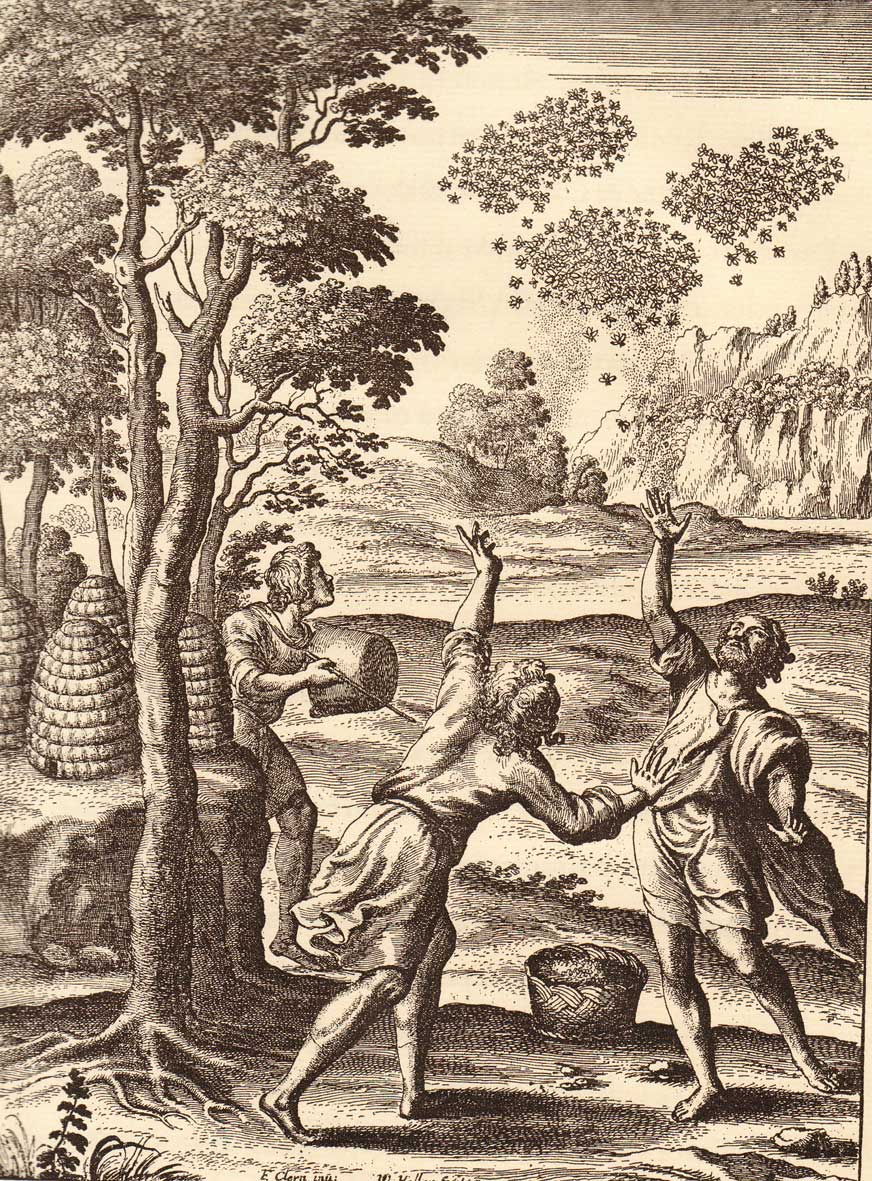
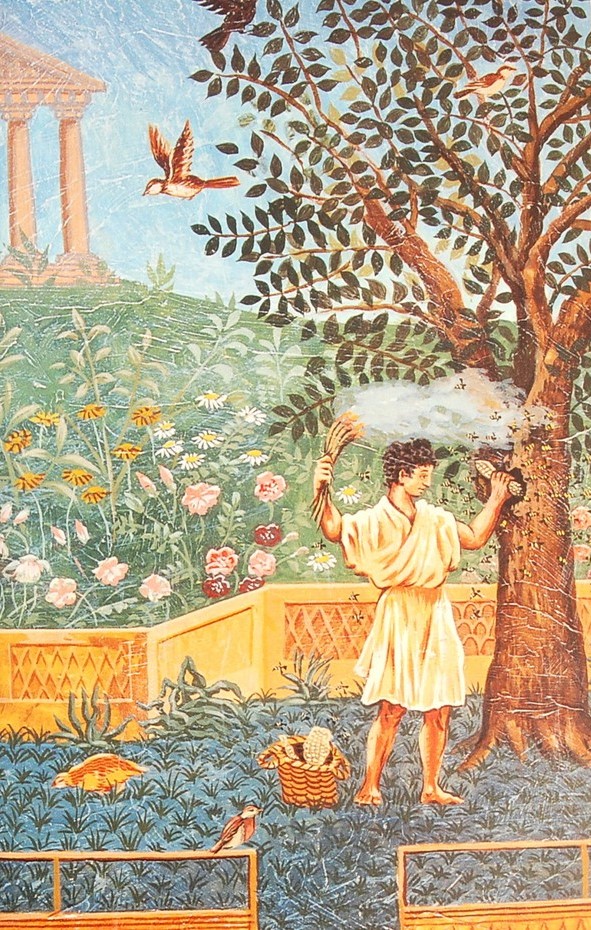
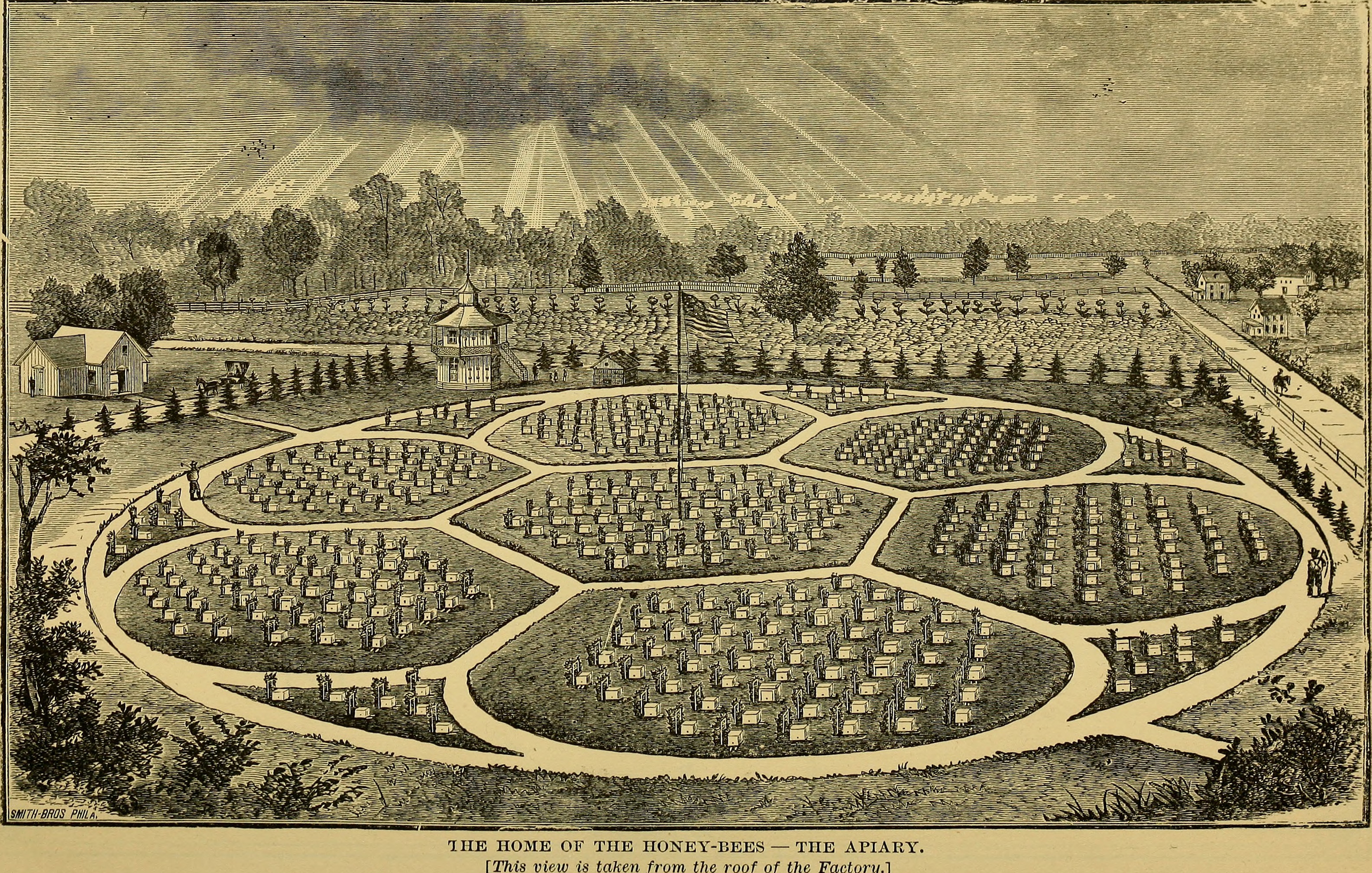
Above, two pics of historical honey extraction. Below, contemporary woodcut of an American apiary.

In Greece, the oldest wax remains date from around 7.800 to 5.000 years ago. In numerous early advanced civilizations, the golden delicacy served not only as a foodstuff and remedy, but also as an offering, burial gift and means of payment. In ancient Egypt, honey was considered the „food of the gods“ and the „source of immortality. A pot of the precious commodity had the same value as a donkey.


Handwork Honey production involves a lot of manual labor for beekeepers. From the work on the hive, to the harvest, to the filling and labeling of the honey jars.

Honey also had a high religious value among the Mayans. In Central Europe, the Germanic tribes were known for their love of honey, as they used it to make mead, the drink of the gods. This was not only consumed at celebrations, mead was also used as a sacrifice to the gods and for ritualistic acts, which is also described in the „Edda“, the work containing the stories and sagas of the Germanic gods and heroes.

BEEKEEPERS – ALLIES OF THE BEES.

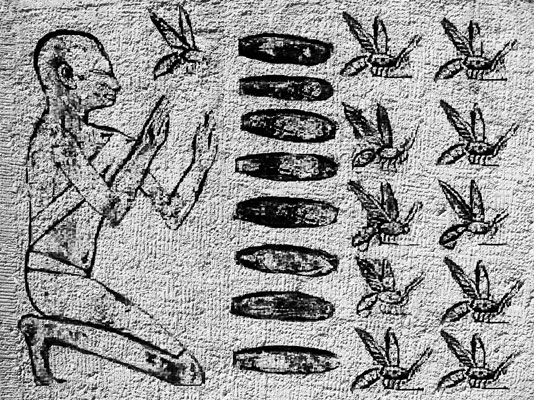
The starting shot for the modern way of beekeeping, according to experts, fell about 7.000 BC. In ancient Egypt, about 5.000 years ago, there was already a specific beekeeping, which is evidenced by murals and reliefs of beehives and beekeepers.

With a production of about 250.000 tons of honey per year, the EU is the second largest honey producer in the world after China. Of this, the Swiss and Austrians consume 1.2 kilograms per capita per year, making them among the most diligent honey consumers in Europe. In Germany the consumption with approximately one kilogram honey per capita lies only scarcely under it.

In fact, beekeeping and honey production still involve a great deal of manual labor for beekeepers. From the work at the beehive, over the harvest up to the filling and labeling of the honey jars innumerable handles are transacted. Beekeeping is more than a hobby, it is a vocation, because the care of the bee colony is costly. Bad weather, heat or extreme cold, as well as diseases, cause problems for the bee colonies and decimate them. Here the full commitment of the beekeeper is in demand. Of course, it also depends on the location.

The biodiversity of harvesting honey.

Hardly any other product is as strongly influenced by its origin as honey. It is able to capture the diversity of an ecosystem and the differences of the seasons around the bee colony. In large-scale mono-cultures, very uniform honeys are produced. In ecosystems rich in biodiversity, it is possible to harvest very complex and interesting honey. Finding the best sites for bees is an important cultural achievement and is passed down from generation to generation and also among colleagues. Whether a site turns out to be valuable or not is only known with certainty after a long period of observation.

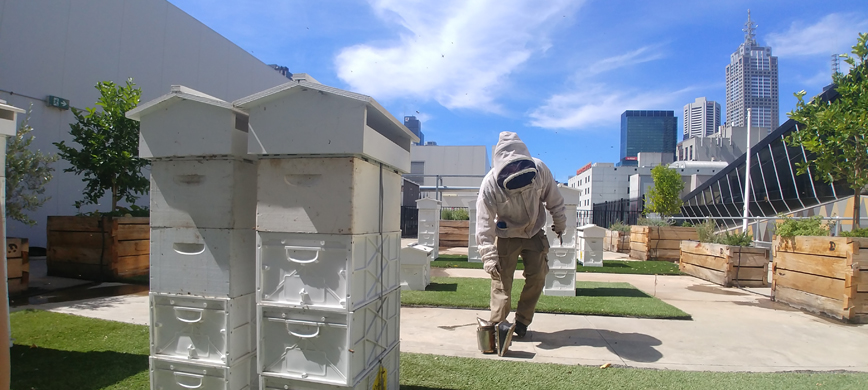
Bee hives over Melbourne, Australia.

HONEY FROM THE CITY JUNGLE.

But whoever assumes that the industrious honey producers only live near fields, mountains and forests, is wrong. Beekeeping also has a long tradition in the large metropolises, because the big city is a paradise for bees. The variety of flowers is often greater here than in the countryside. Trees and flowers grow next to streets and in parks, on balconies, terraces, in gardens and in cemeteries. In addition, it is on average two to three degrees warmer in the cities than in the countryside, which allows the plants to bloom longer. In addition, bees here are exposed to fewer pesticides and plant protection products.

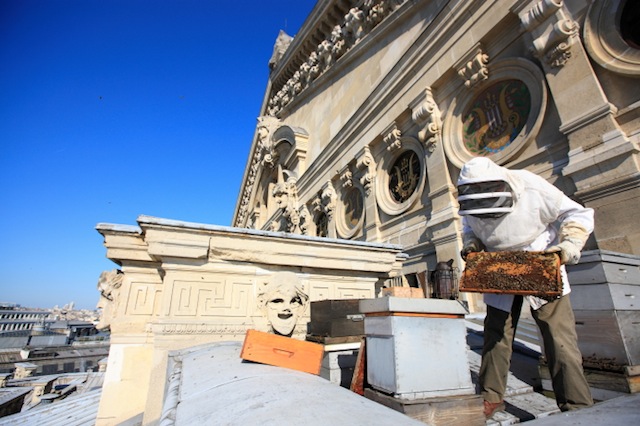
     Beehives on the roof of Palais Garnier in Paris, France.

THAT’S WHY IT’S BUZZING ON THE ROOFS OF PARIS.

The oldest beehives in the Seine metropolitan area have been on the roof of the Paris Opera House in the Palais Garnier for more than 100 years. More than 1.000 beehives are estimated to exist in Paris. The exact number cannot be determined, as the installation of beehives has not had to be authorized for almost ten years.

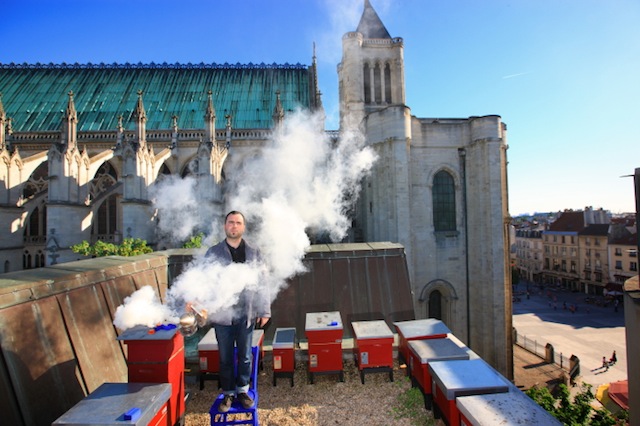
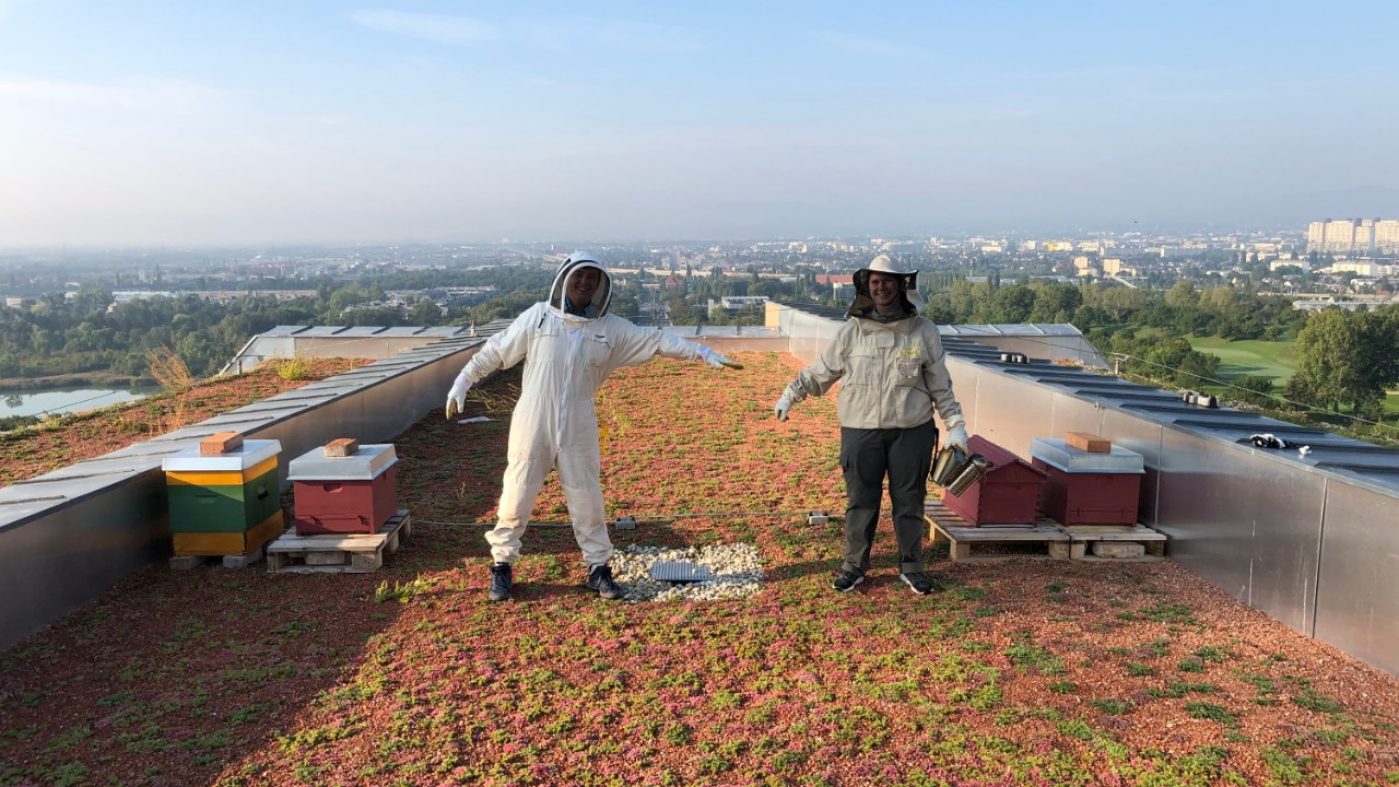
Beekeepers over the city of Vienna, Austria.

FROM THE SEINE TO THE DANUBE.

In Vienna, more than 700 beekeepers are active and look after around 5.000 beehives distributed throughout the city. Hives are owned by private individuals as well as hotels, companies and public institutions such as ministries and universities. Around 2.000 of the total of 160.000 German beekeepers are at home in Berlin. And there are more and more of them every year, because urban beekeeping is also quite trendy in the German capital. Here, the liquid gold is cultivated in backyards and on roofs. Since 2011, there has even been a beehive on top of the House of Representatives.

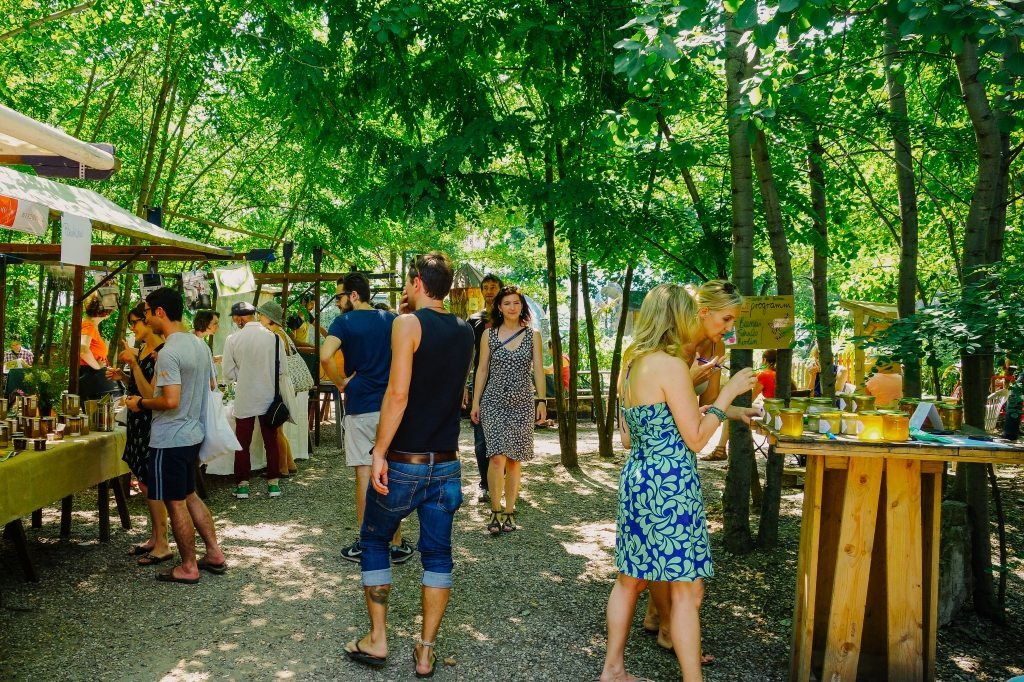
Famous honey market in Berlin, Germany.

With more than 16.000 bee colonies, urbane Zurich is also a stronghold of beekeeping. Nationwide, this number is surpassed only by Bern. In Zurich, many a beehive can be found at lofty heights, such as on the terrace of the Zurich Marriott Hotel. But some beekeepers want to go even higher. Those who produce their honey in New York. They have now set up more than 200 beehives on the roofs of hospitals and schools, on balconies and in community gardens. And New Yorker’s love their heavenly-tasting city honey. After all, it is produced almost in the clouds!

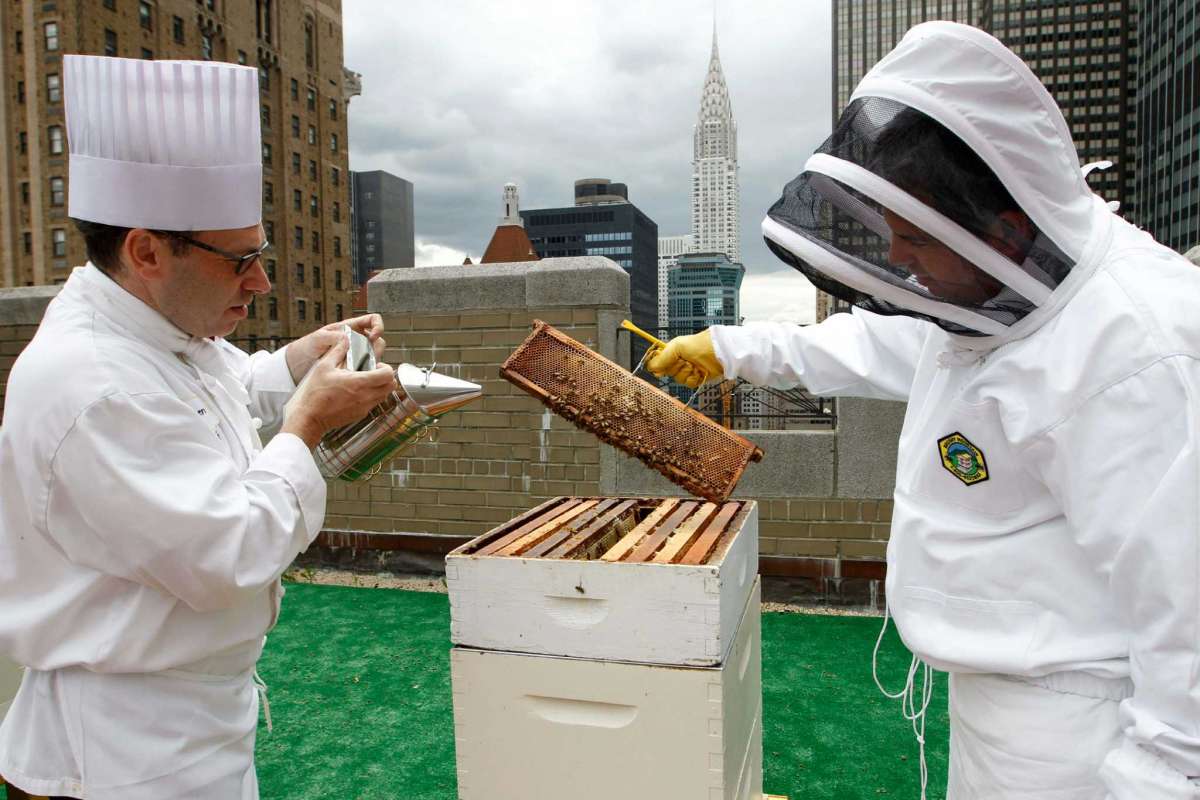
Honey harvesting on the roof of Waldorf Astoria Hotel in New York.

LAST BUT NOT LEAST.

Not only bees are producing honey. For completion I like to inform you about some more honey producers in the animal world.

There are about 500 species of sting-less bees in the world, some of which also produce honey. Sting-less bees, which live in warm areas of Australia, are capable of producing just enough honey for humans to collect and enjoy. This type of honey is known as sugar-bag. The flavor of sugar-bag is much different than our own raw honey. It has a tangier taste and runnier texture as it has higher water content.

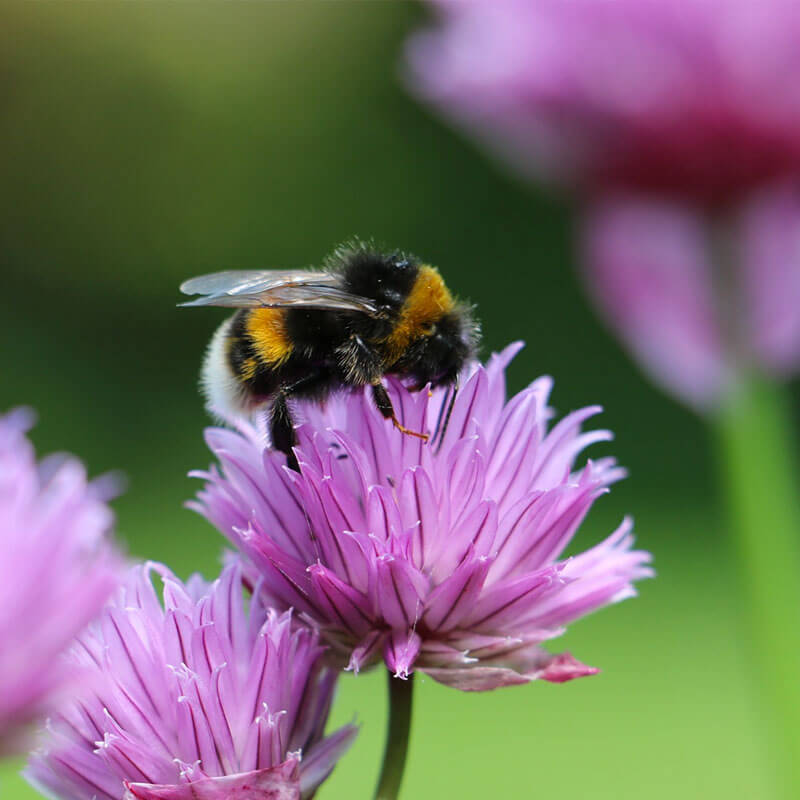
Bumblebees also make honey, albeit on a very small scale. The nectar they store in wax honey pots is mostly for the queen’s consumption, to maintain her energy during reproduction. Because very few bumblebee colonies establish permanently, they don’t need to store large quantities of honey. This makes it almost impossible to manage these bees for honey production.

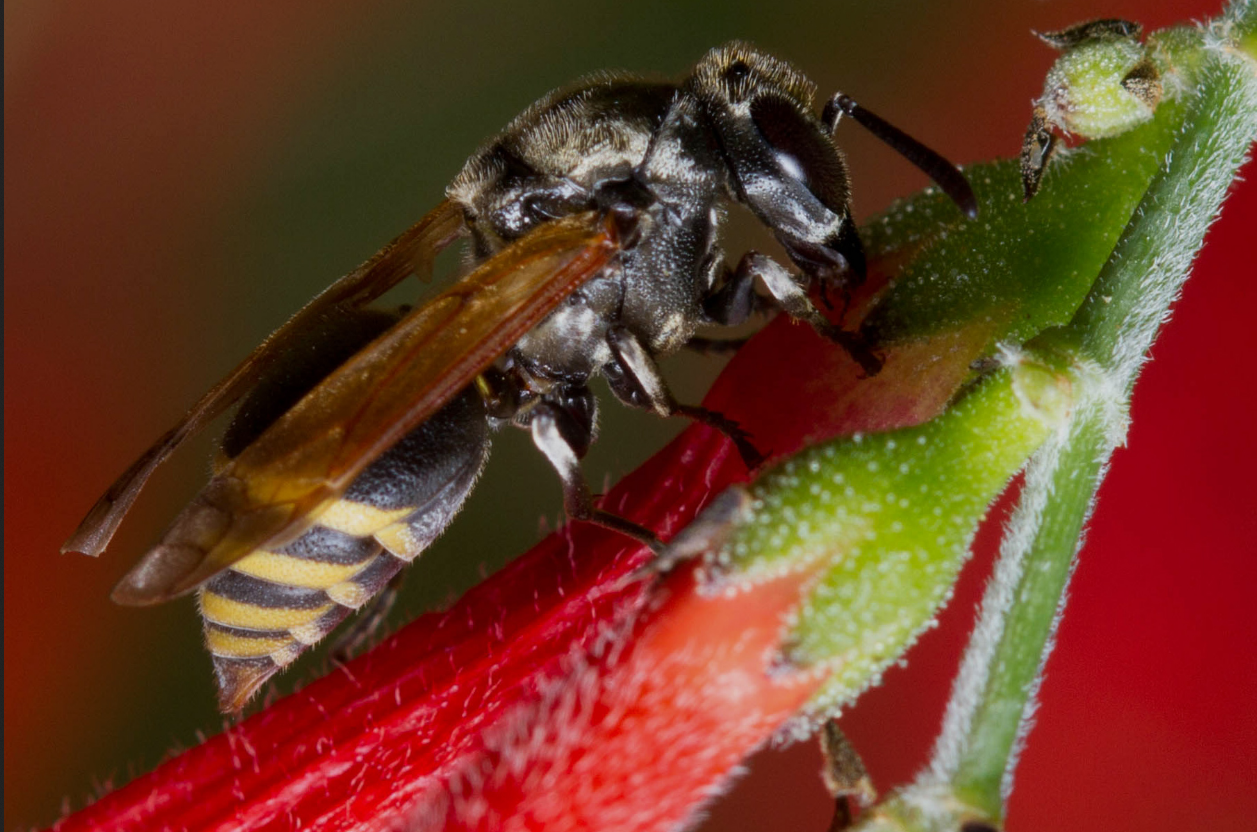
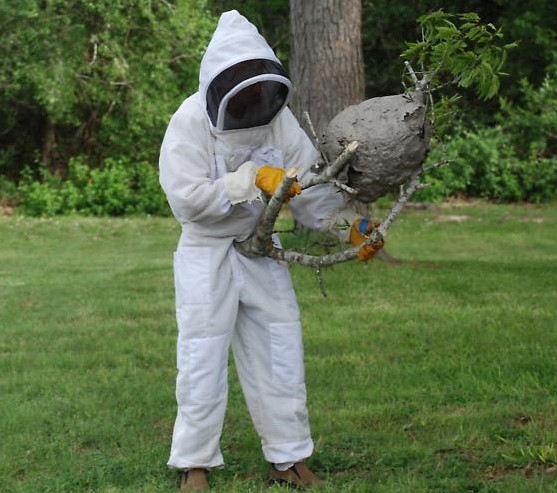
Bees aren’t the only hymenopterans that make honey. Some species of paper wasps, particularly the Mexican honey wasps , also store excess nectar in their cardboard nests. Local indigenous communities value these wasps as a source of food, income and traditional medicine.

   Merxican honey wasp and the wasp nest.

HONEYPOT ANTS.

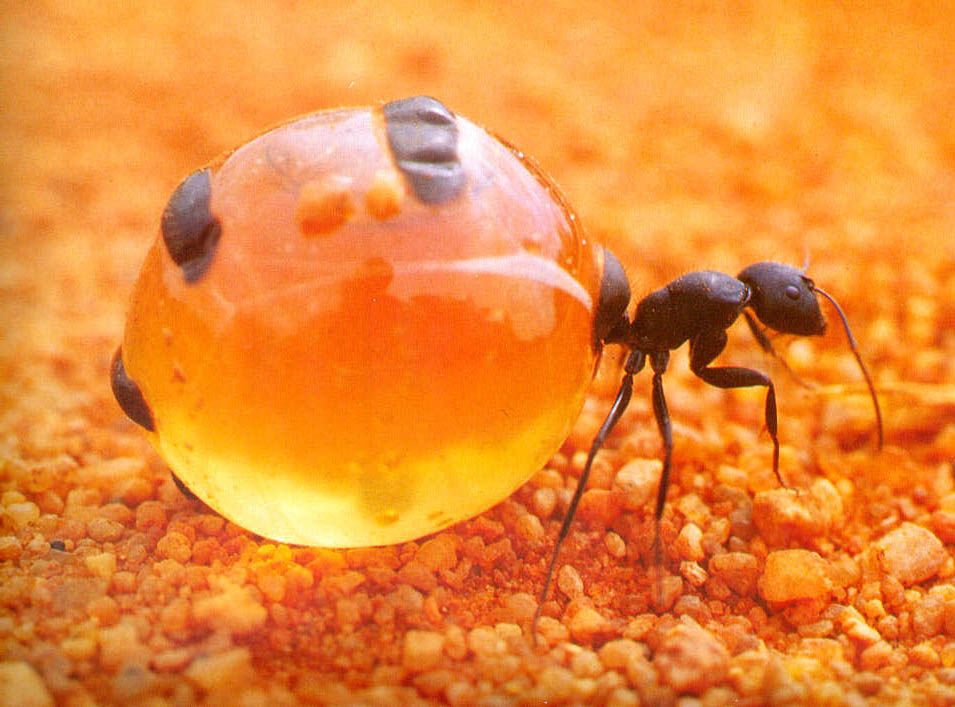
Honeypot ants also make and store honey, but they do so in a very surprising way. While honey bees store honey in their hives, honeypot ants gorge on nectar until their abdomens swell up to the size of a grape. In their nests, they regurgitate the honey from their abdomen to feed the rest of the colony. These ants are domestic mainly in African and Australian deserts.

But Why Do They Do This? Honeypot ants live in very arid environments, and food can be difficult to come by. So when food is available, some of the honeypot ants, called repletes, become pantries full of honey.

 
Honey ants live under ground, a nest (left) and storage of honey under ground (right).

Aphids produce a sweet sugary syrup called honeydew. They attach themselves onto different plants and feed on the sap. The waste that they produce from the sap is actually sweet and delicious! Honeydew is an important source of energy for animals and insects, especially when winter arrives and resources become scarce. Indigenous communities also value honeydew as a sugar source.

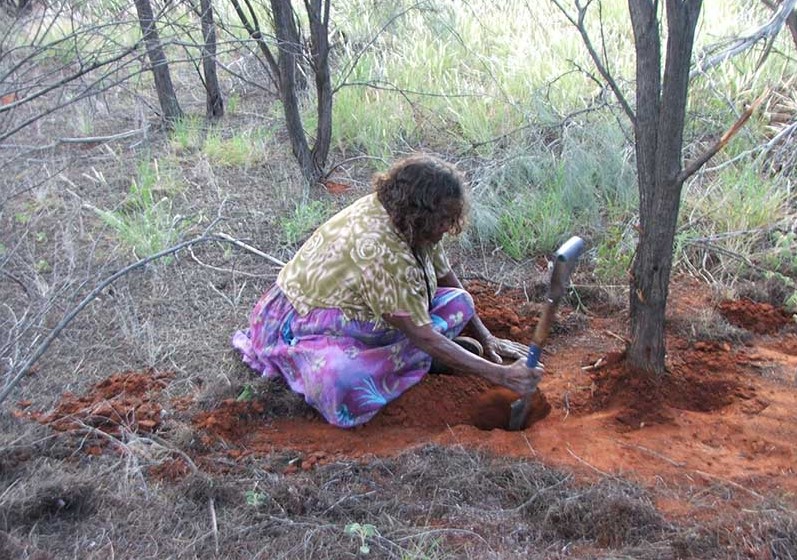
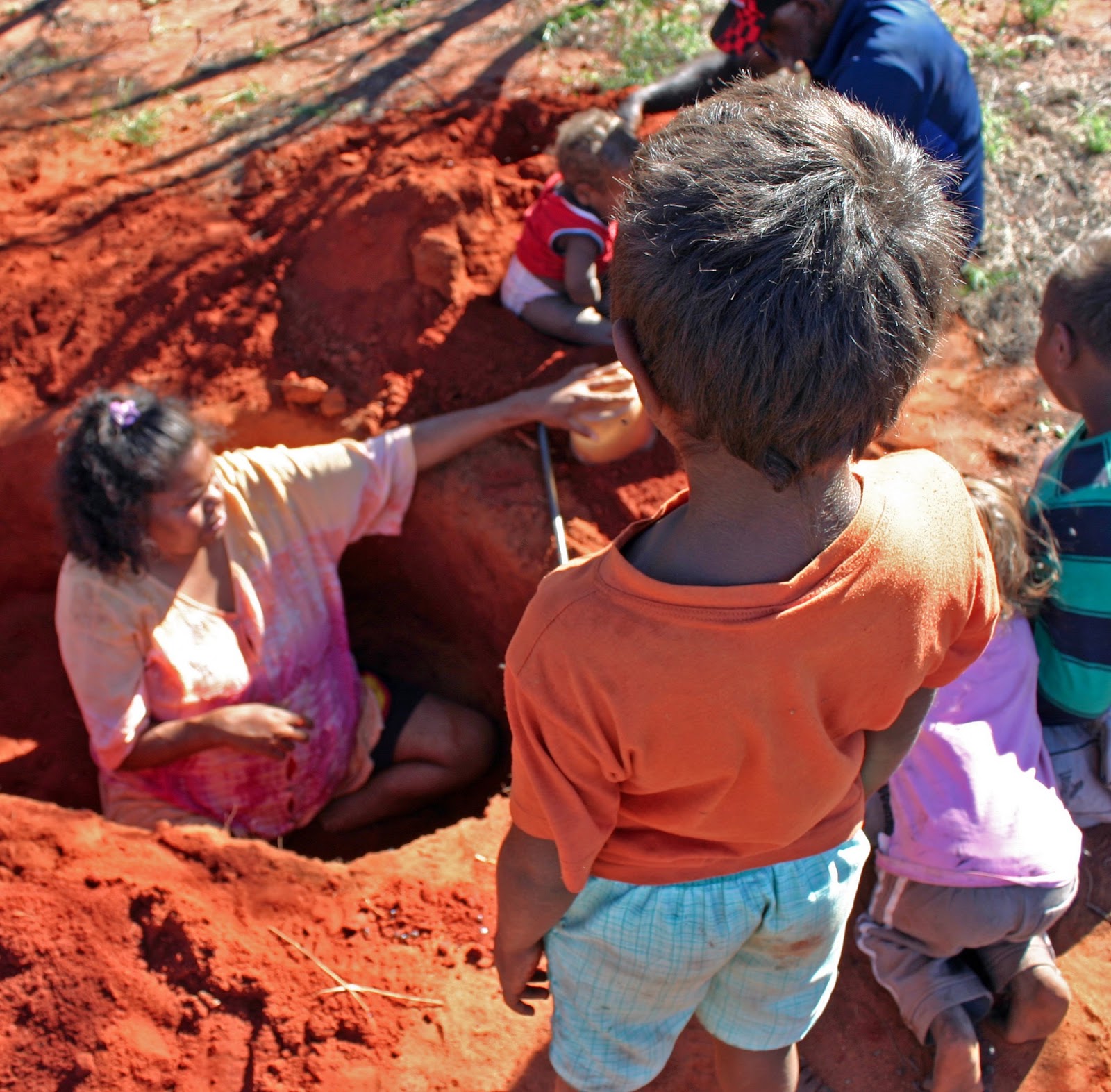
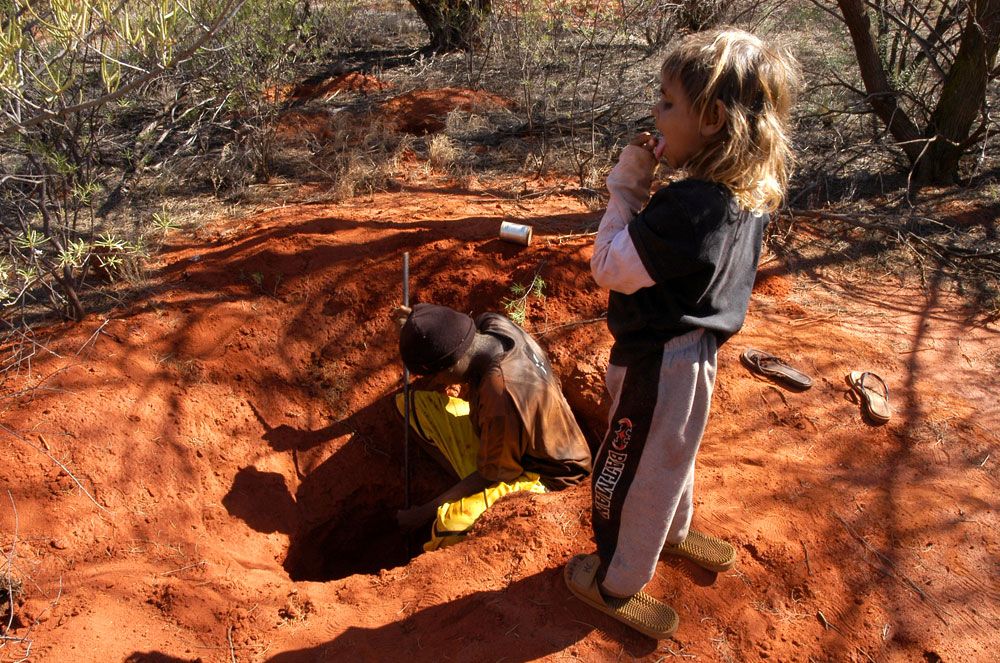
          It takes a lot of patience to dig a big, c. 1 meter deep, hole to reach the honey chamber.

During my several weeks of living with Aboriginal people in Australia and some more later travels throughout the country I had a few opportunities to learn how to find these honey sources and how to harvest them. It was an experience I’ll never will forget in my life. When we located the ant hives, we were digging downwards until we reach the honey pot underground. The funny – and good/safe part – these ants don’t bite. The honey tastes exactly like bee honey, very sweet and saturating.

Everyone waiting for the reward of hours long digging.

The honey ant has a symbiotic relationship with the Mulga trees. The worker ants collect secretions from the tree and take it down into the nest and feed it to specialized honey ants during the good months of the year. The women search under the Mulga trees for the holes that lead down into the nest.

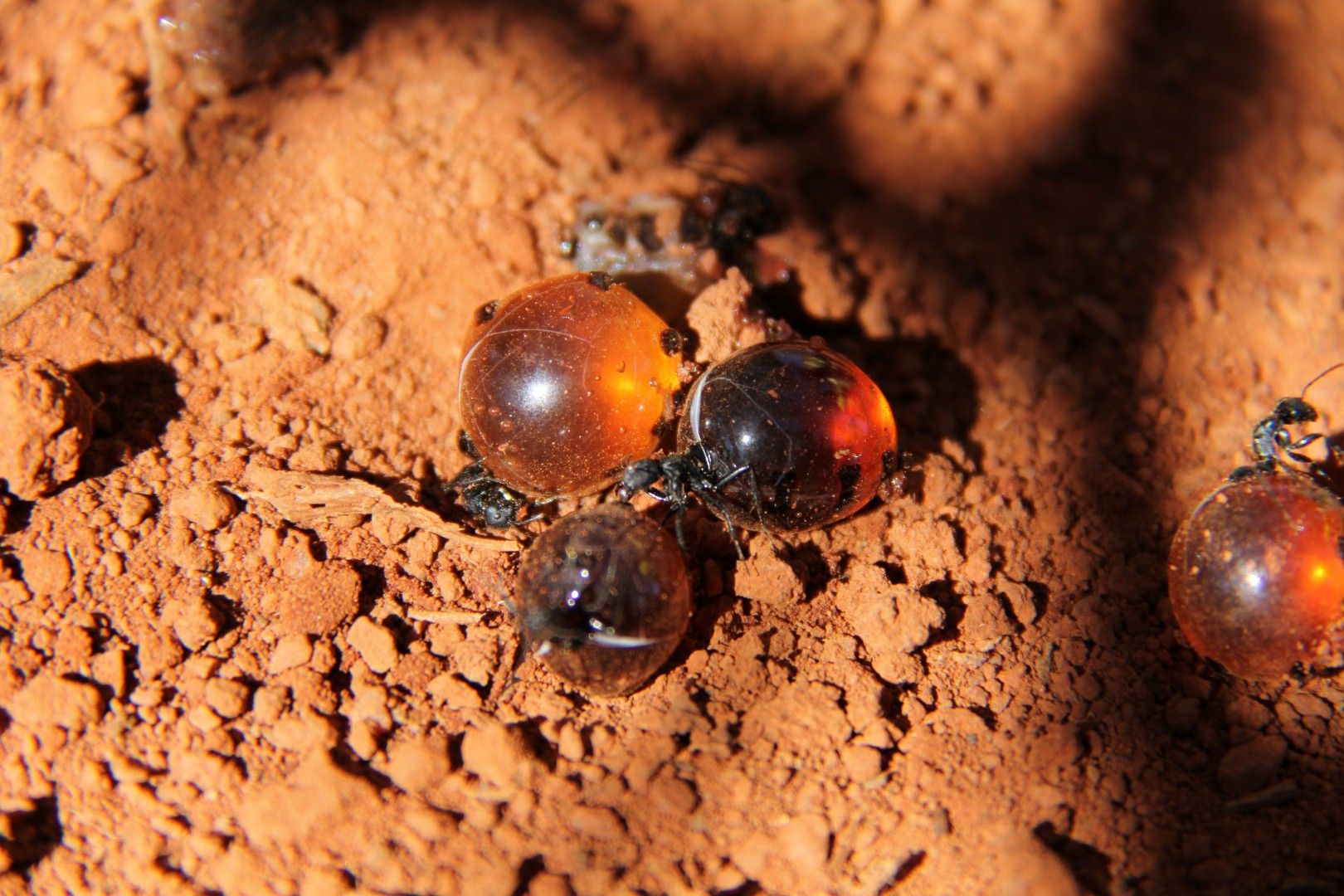
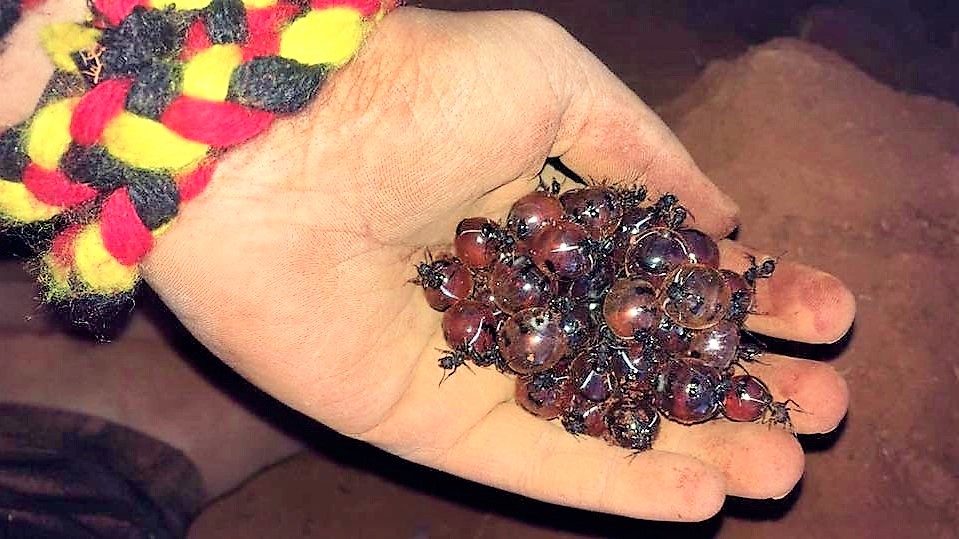
       This is the result of one ants nest, one hand full of treats. Click on pics to supersize.

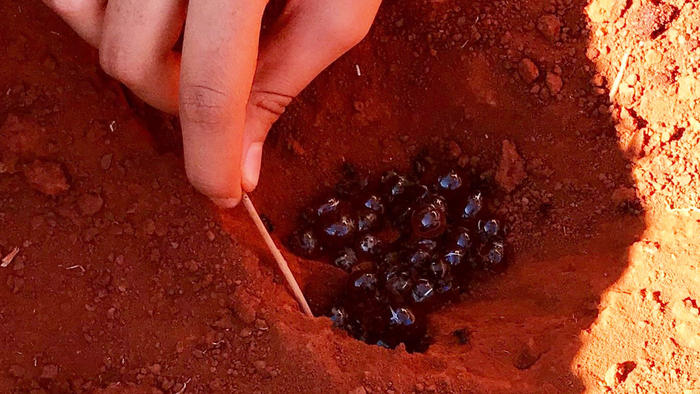
They dig down about a meter into the nest searching for the chambers that run off to the side where the honey pot ants are hanging from the ceiling – their abdomen extended to marble size by the honey they are storing. This is regurgitated to feed all the ants through the lean times.

They are a highly desired treat for the desert dwellers. They eat them like they dig them out the ground. I always took the time to take the ant off first. Ants will die when taking off the honey ball. And one ball in your mouth is like a big spoon full of pure bee honey. The aborigine kids press the ball down in their hand and then lick the hand (see above) for an hour or longer, they have learned to appreciate the value of food like this.

      How important these honeypot ants are to the Australian Aboriginals, shows a children’s book series. Also an important theme in Aboriginal Art Dreaming’s. Have a look into my posts about Australian Aboriginal Art.

FINAL TIP ABOUT HONEY.

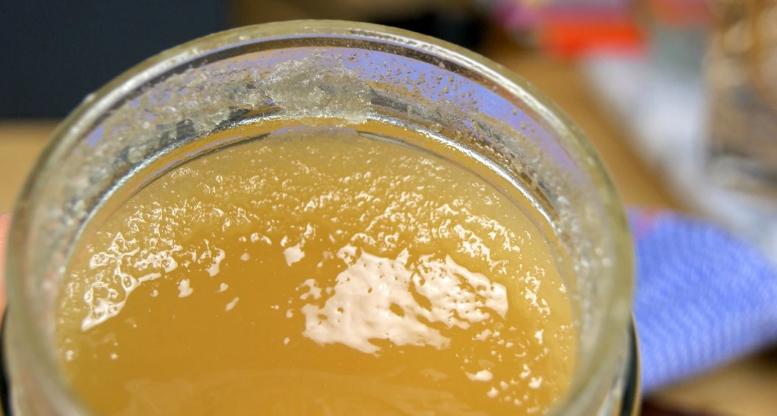
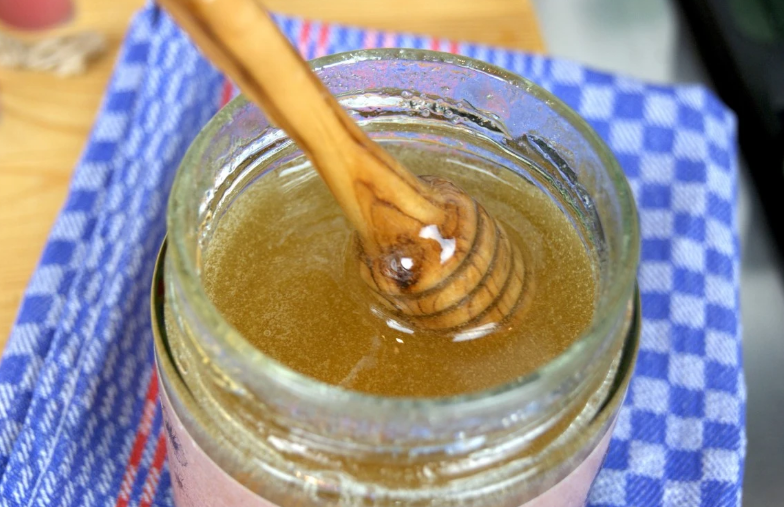
Everyone knows about crystallization of honey when you leave it untouched for a while. Natural honey contains sugar molecules that interlock with each other. This is how crystallization occurs. Some honeys crystallize very quickly, while others take a very long time. There are two ways to reverse crystallization: Heat or stirring. Since stirring is not very practical in a commercial jar, heat is the only way to liquefy honey.

   Before and after warming up the honey. Click on pics if you like.

Honey generally likes it warm. At a high ambient temperature, it even becomes liquid again quite quickly. However, it is a bit of a balancing act, because at too high ambient temperatures the valuable ingredients such as the enzymes are lost.

How to love and use honey and learning what to do with it, means a whole life experience. Not even 1001 and more possibilities of honey use would be enough. Have a look into the internet if you are interested.    However you like to use honey, enjoy it !

Veröffentlicht unter History, Hobbies, Information, Lifestyle | Verschlagwortet mit , , | Hinterlasse einen Kommentar

The Best Roast Ever

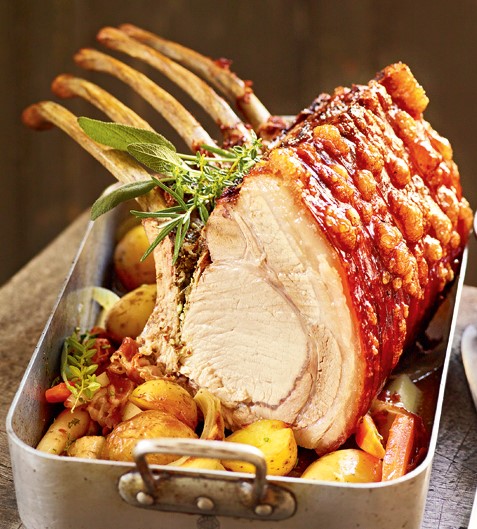
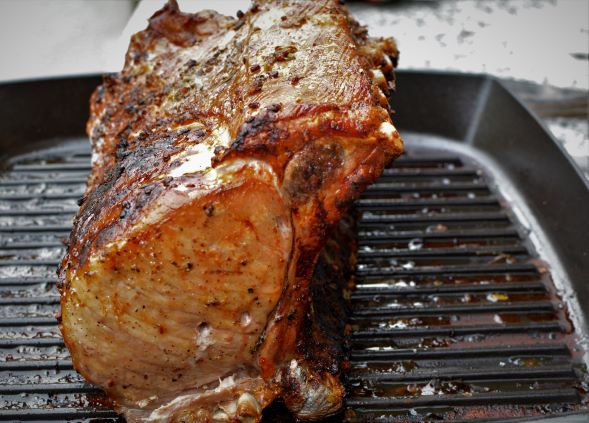
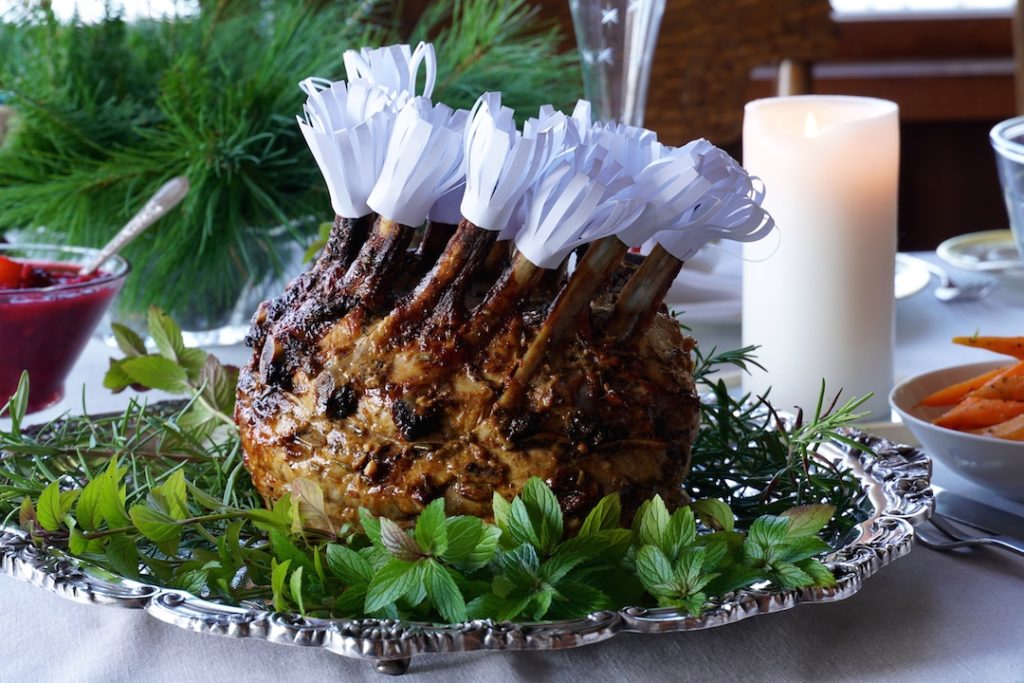
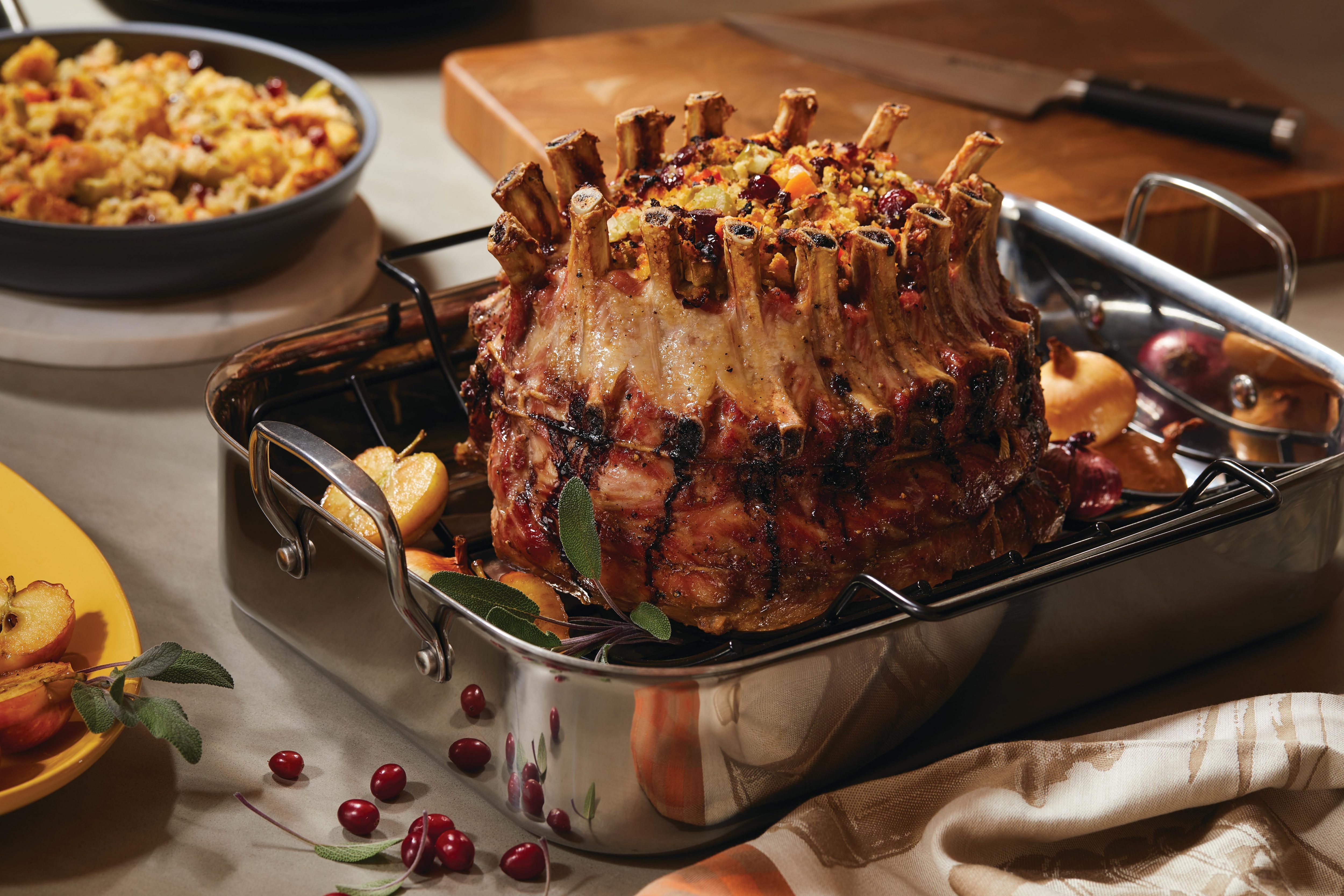
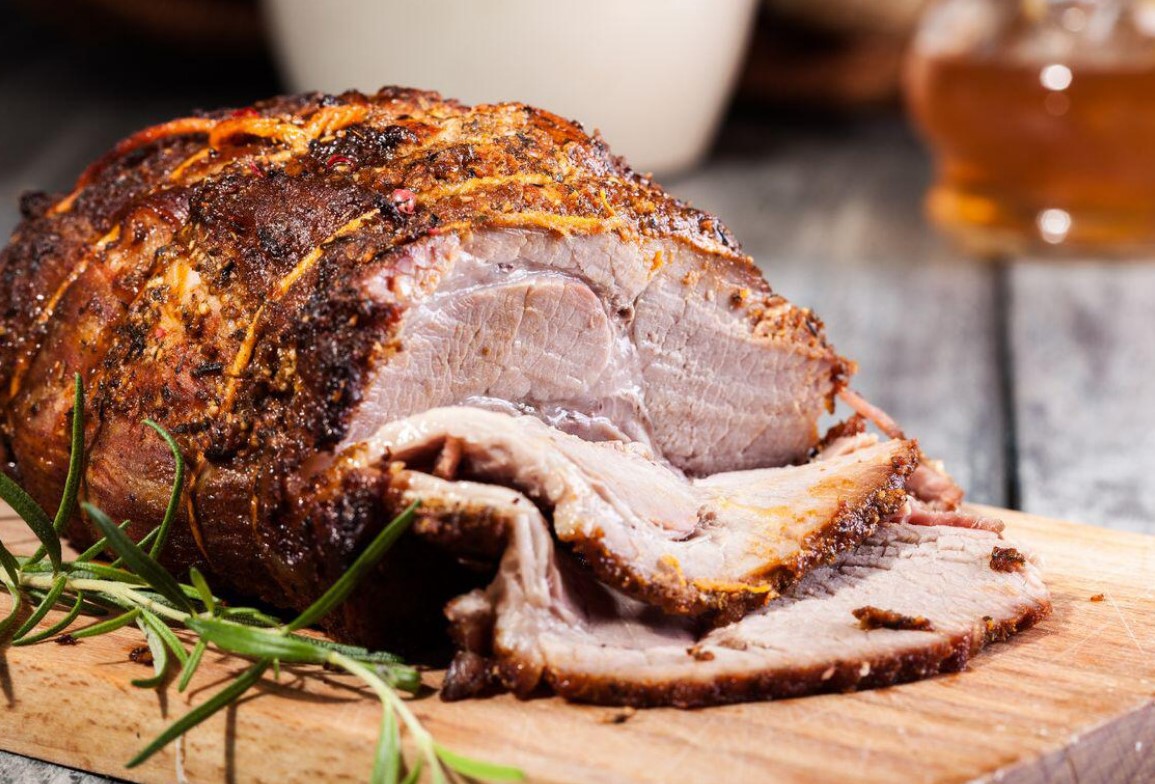
At the end of summer, at least here in Uruguay, I like to grill again properly in the wood fired oven my favorite pork recipe, „Pork Rib Roast the French Way“. If you do it like the French, then always on a bed of vegetables and a cracky fat/skin crust.

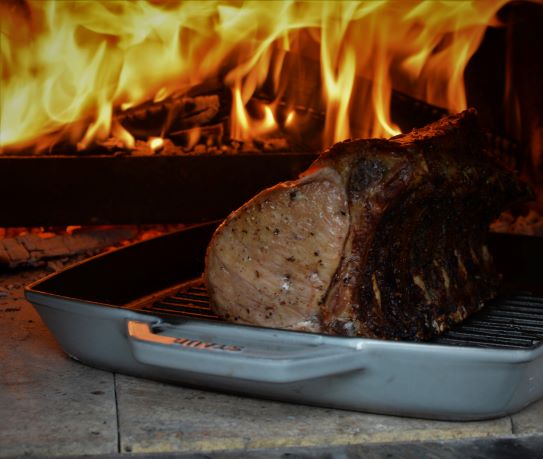
For years, the recipe has lain dormant in my French cookbook. Last weekend it was then so far and was allowed in the oven. I went to the preparation at a very low temperature. Such a part is killed quickly. Therefore, at a little more than 100 degree Celsius (about 200 Fahrenheit) in the residual heat in the closed oven (cleaned out oven) and slowly pulled to 58 C (115 F). That lasted around 6 hours. Lot of work to control the temperature and add fresh glow, from the separate wood fire, all the time. But the taste is worth to do it, especially if you want a crust like above.

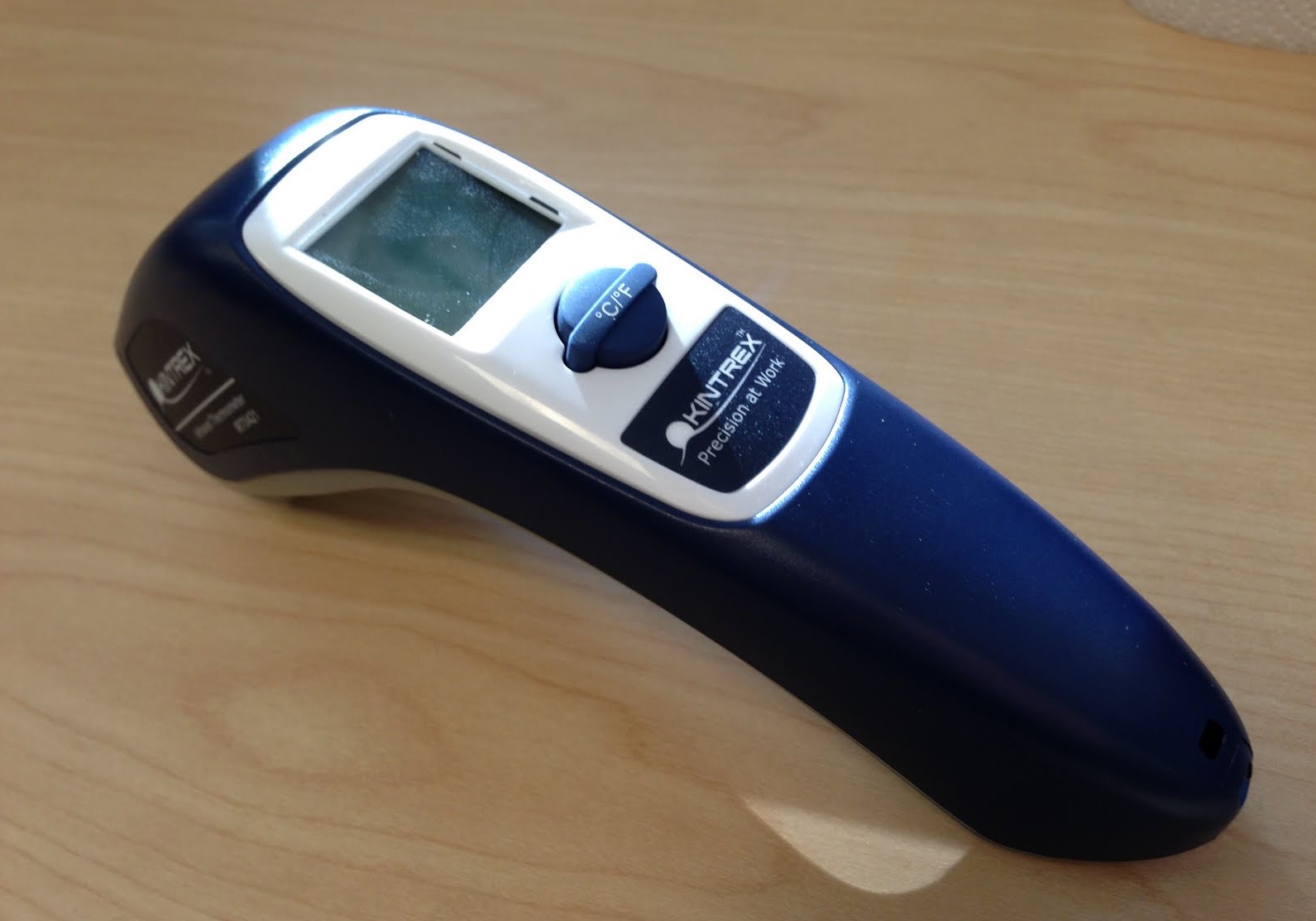
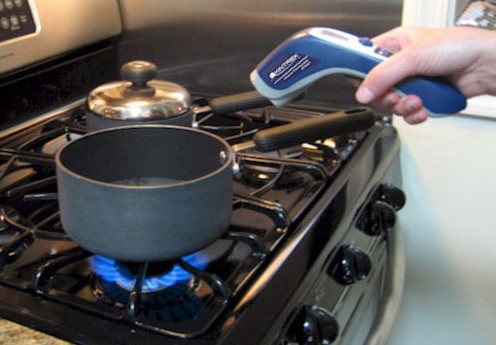
   Cooking with a wood-fire Pizza oven requires a bit of different equipment. So as the infrared thermometer, I use a Kintrex one, which I love for many occasions while cooking. Here I can cool down the oven till it shows my 100 degree Celsius. Also great to catch the water temperature and much more.

Seasoned in advance with herbs, marinated for 2h. The meat I got from the butcher from domestic breeding in the best quality.
Finally, properly made fire and crispy grilled in front of the fire. Classically, the barbecue roast is made on rosemary potatoes. The result, see above – very tender, juicy, aromatic. And the skin crust is just a delight, worth while waiting a whole day.


Pork Rib Roast in front the wood-fire, from a different occasion.

Ingredients.

1.2 kg pork chop in one piece (on the bone with fat edge)
2 cloves of garlic
5 large sprigs each of sage and rosemary
½ bunch each of thyme and parsley
1 tablespoon grainy mustard
1 tablespoon soft butter
salt and pepper to season
oil for frying
100 g smoked bacon in thin slices
250 ml white wine (alternatively meat broth)
5 large carrots
4 thin parsley roots
1 large brown onion
800 g small young waxy potatoes

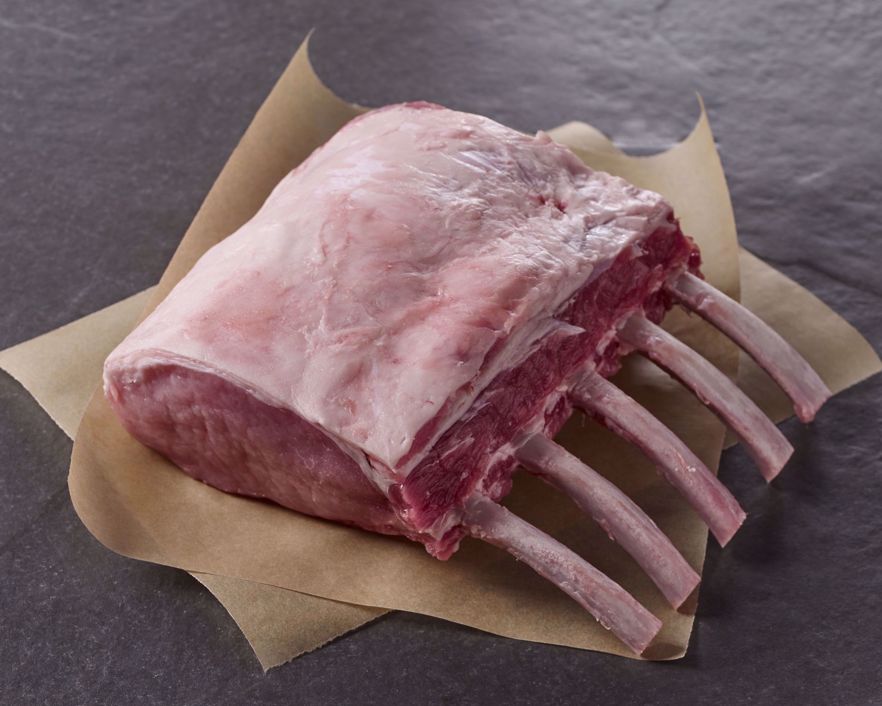
Professionally trimmed pork roast rack, about 1,4 kg, with fat edge. Ready to roast.

How to do.

Pat the meat dry, if the fat edge is very thick, cut off some of it if necessary. Then make a deep cut along the bone so that the meat and bone still hold together.

Peel the garlic, finely dice 1 clove. Wash the herbs and shake dry. Pluck the leaves from 2 sprigs each of sage and rosemary, a good half of the thyme and all the parsley and chop finely separately.

Mix all the sage, parsley and half of the rosemary and thyme with mustard and butter, season with salt and pepper. Spread this mixture evenly in the incision of the chop. Salt and pepper the meat all over, spread the remaining whole sprigs of rosemary, thyme and sage on the fat side of the meat.

Tie the meat with kitchen twine so that the incision also holds together and the herbs are well tied. Now the cooking session starts. Because just a few readers would have and use a wood fired oven, I will switch over to a normal stove.

Preheat the oven to 180°. Heat plenty of oil in a large roasting pan on the stove, brown the meat in it over high heat all around. Remove and pour off all but a small amount of the drippings.

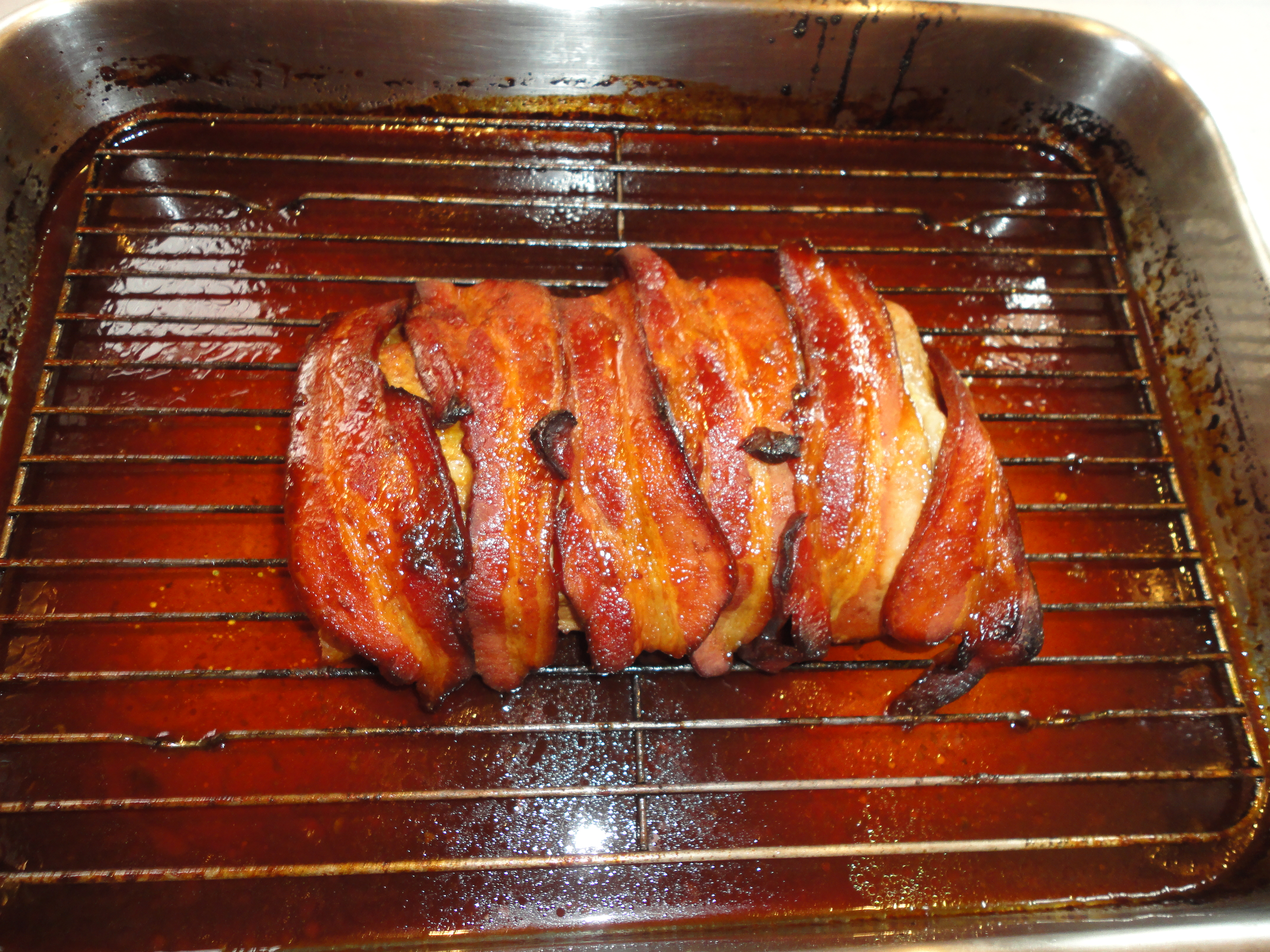
Place the meat in the roasting pan with the bone side down, place the bacon slices on the roast and cook the meat in the oven for about 30 minutes. If necessary, pour a little red wine or broth into the roasting pan after about 15 minutes.

   Your pork roast wrapped in bacon.

In the meantime, peel and clean the carrots and parsley roots and cut into 4-5 cm long pieces. Peel the onion and cut lengthwise into narrow wedges. Brush the potatoes vigorously clean in cold water, drain. Slice 1 clove of garlic. Mix vegetables, onion, garlic, potatoes and remaining chopped thyme and rosemary, salt, pepper.

Briefly lift the meat out of the roaster, remove the bacon slices and mix with the vegetables in the roaster. Put the roast back on top, add the remaining wine or broth and continue cooking for 30 minutes.

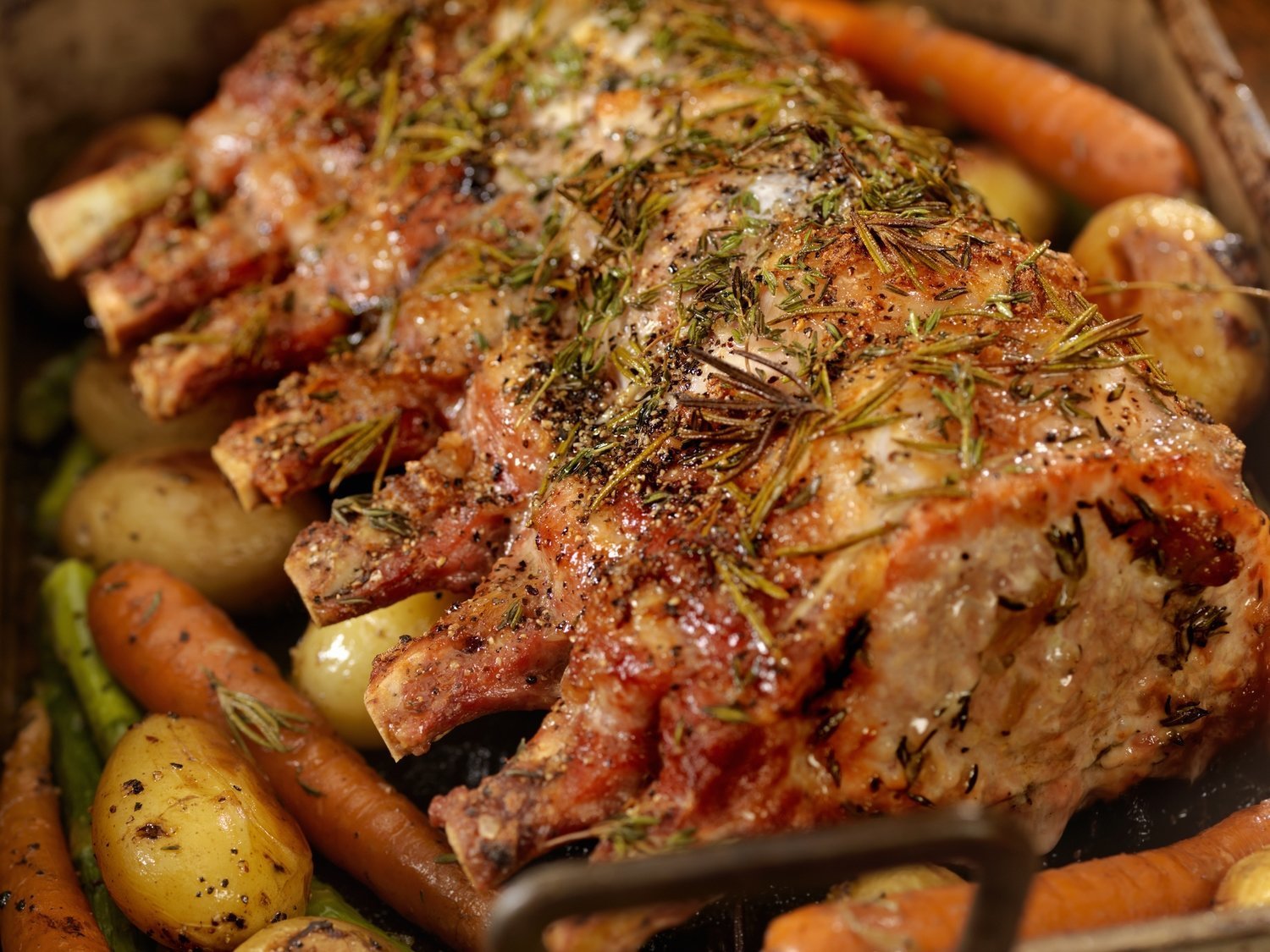
   Your pork roast on the bed of vegetables.

Then increase the heat to 200° (180° convection oven), stir the vegetables once, baste the meat with gravy and cook for another 30 minutes until the vegetables are cooked and the roast has a nice brown crust. Remove meat from oven, let rest briefly, then cut open and serve with vegetables.

Tips.

A fine red wine will always go incredible well with this dish. In case you just want to cook the roast without vegetables, make sure to have a good portion of liquid (I always use 50% red wine and 50% beef stock) underneath. Leave the roast on a grid, as you can see in the above picture with the bacon.

This recipe is a wonderful main meal in total. Leftovers always can be used a few days later or been frozen. We freeze everything, the meat, the vegetables and even the sauce. When warming up later, never use a microwave. Take your time and warm the meal up with around 150 C (300 F) in your oven.


While heating up in the oven it will stay moist and freshly roasted, if you take off the fat in advance. During warming up procedure the fat won’t get „cross“ anyway.

My dear friends – as good as this Pork Roast recipe is – as better is the „Crown Roast“. For a party or a larger group of guests or just for a festival, to show off, a crown roast is the better alternative. Here we go.

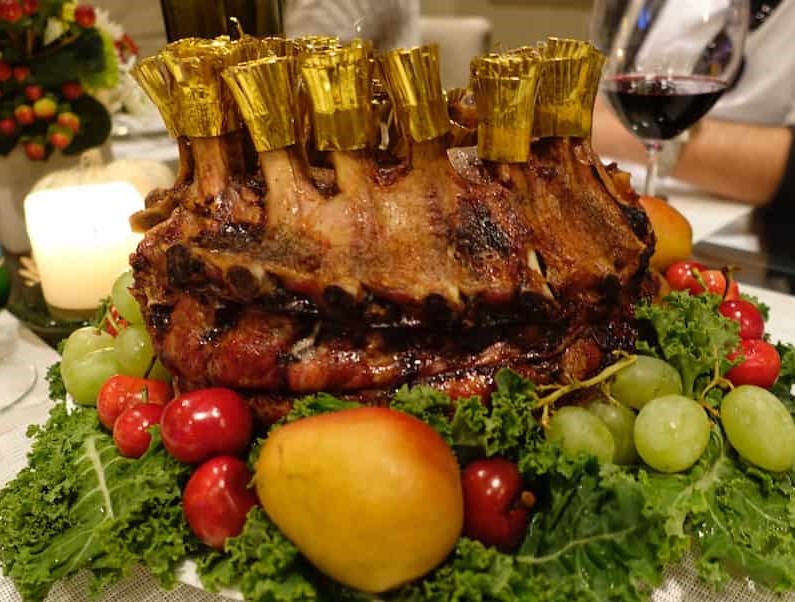
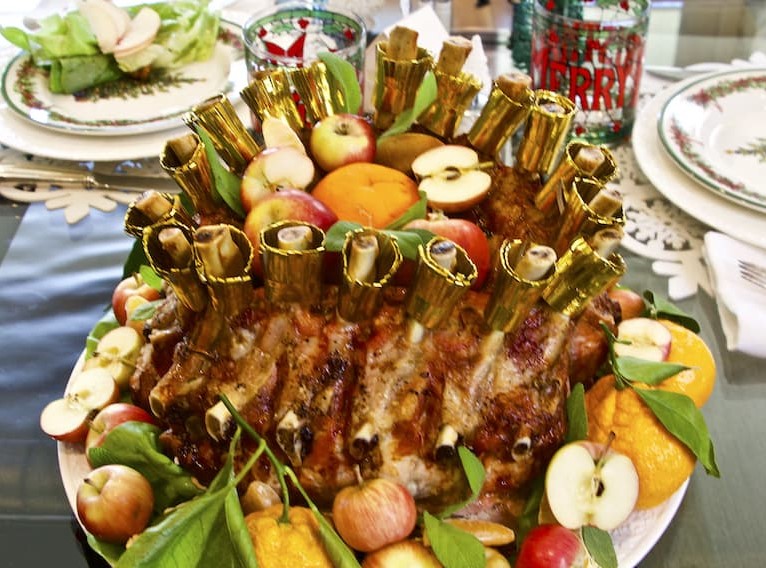
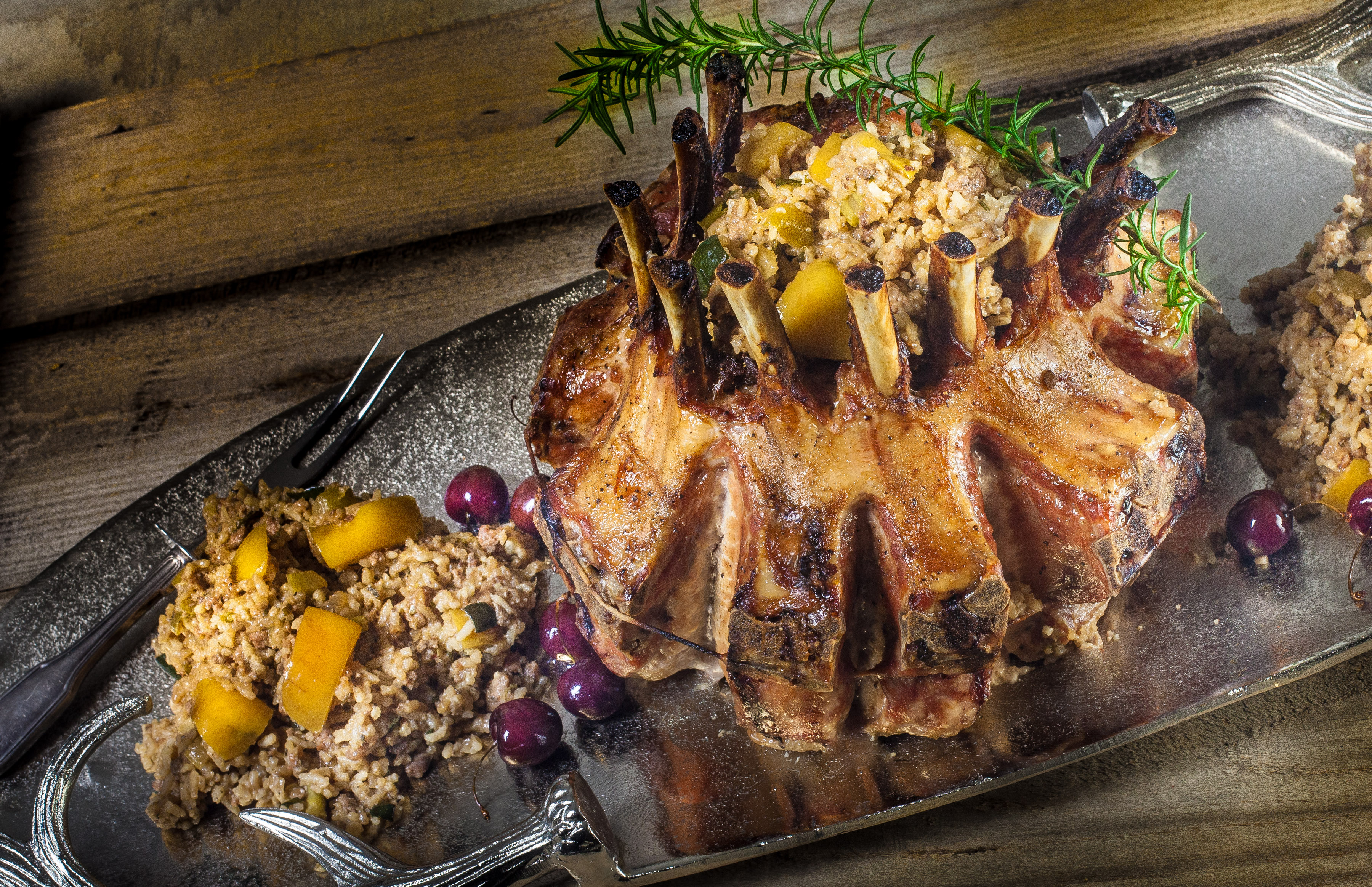
What a lovely presentation this is. A Pork-Crown made of 18 chops, bound together from 3 different meat parts. Served in Panama during a Christmas dinner. Luigi, Ron, Debbie, you might recognize it.
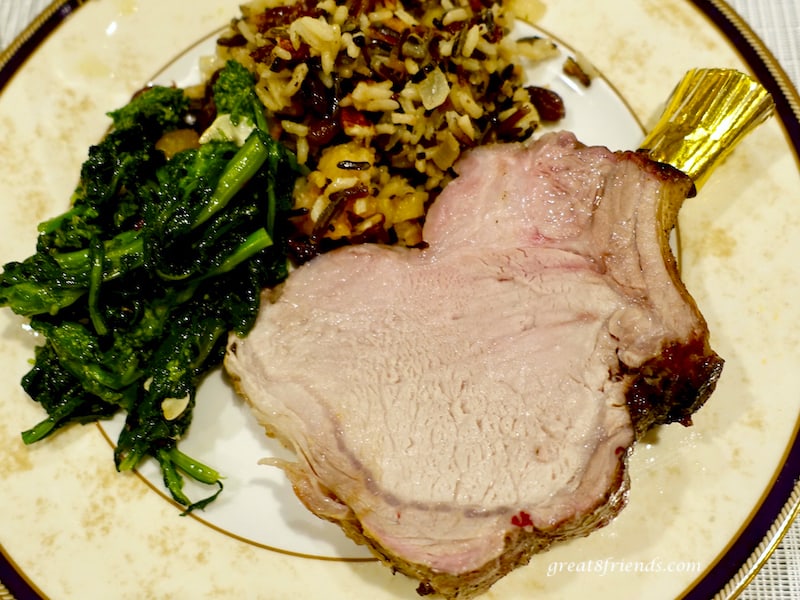
      We served this crown with spiced wild fruit-rice and steamed greens. Tip for you, take the golden foil off  and replace it with paper chop-holders, before serving.
     
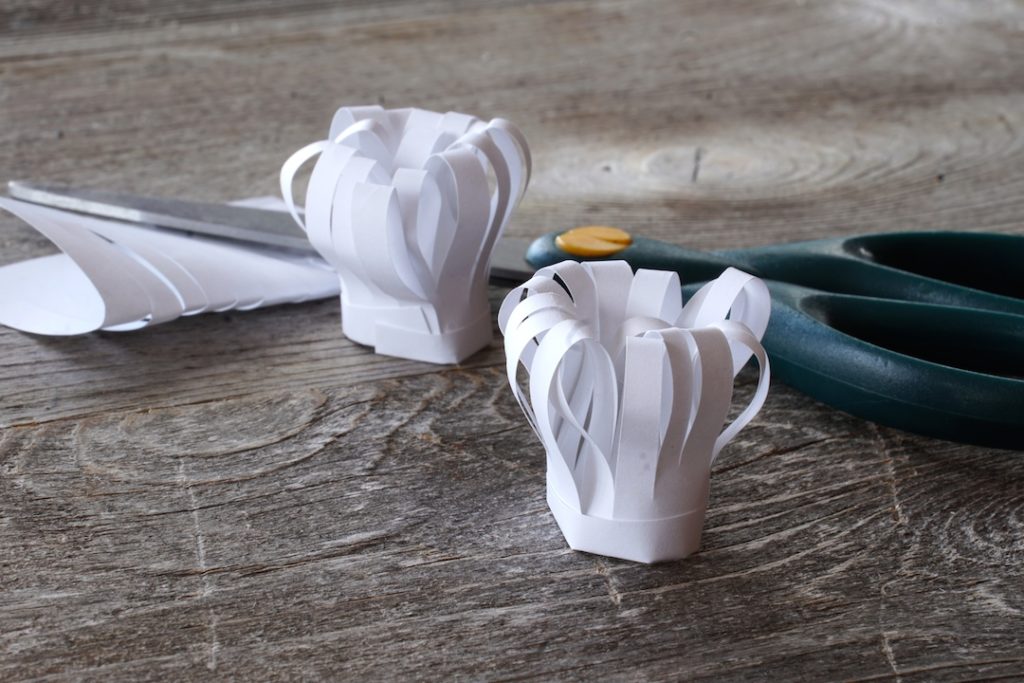
The foil chop holders are good looking, but they get piping hot and one can burn the fingers. Better using them for roasting and then replace with paper. They are easy to make as one can see in the pics above.

Crown Pork Roast with Grilled-Pineapple Salsa.

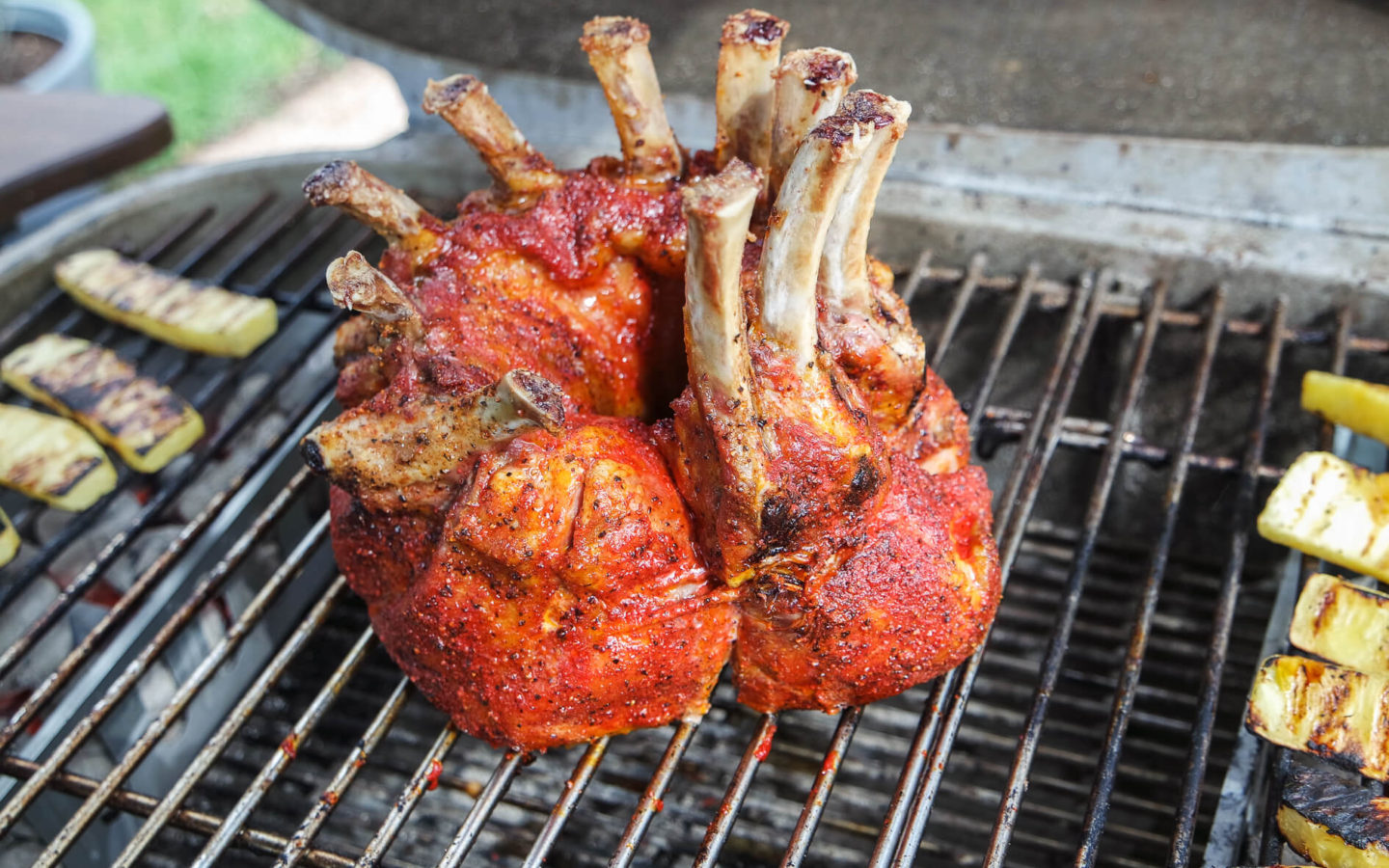
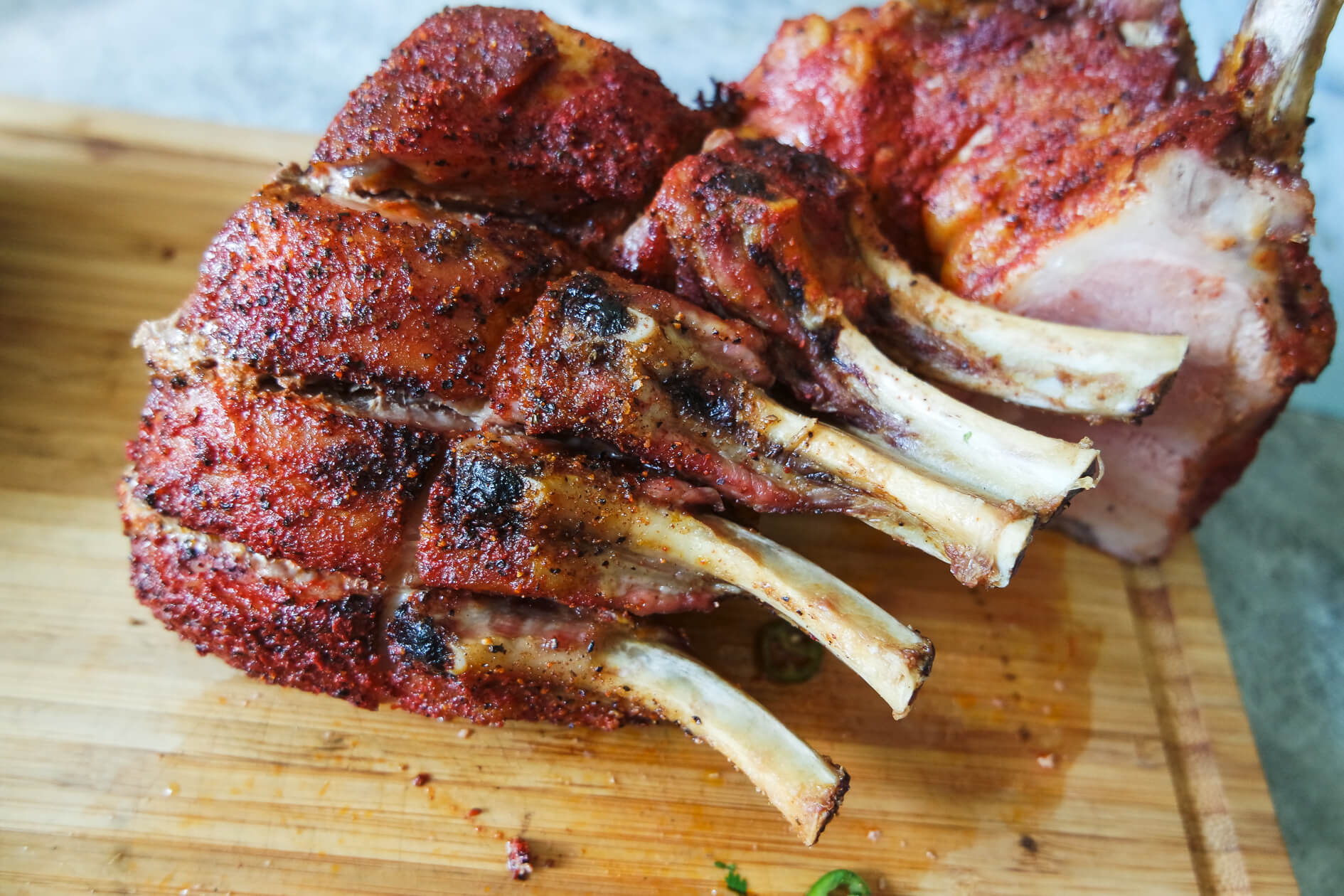
This bright red achiote-basted crown roast of pork is given the tropical treatment with a side of spicy grilled pineapple salsa, cooked once with Jess Pryles and several times with the „Buffalo’s“ in Panama. Achiote is great to cook with, you can buy it in jars or make it easy by yourself. Recipes are available through the internet, just have a look.

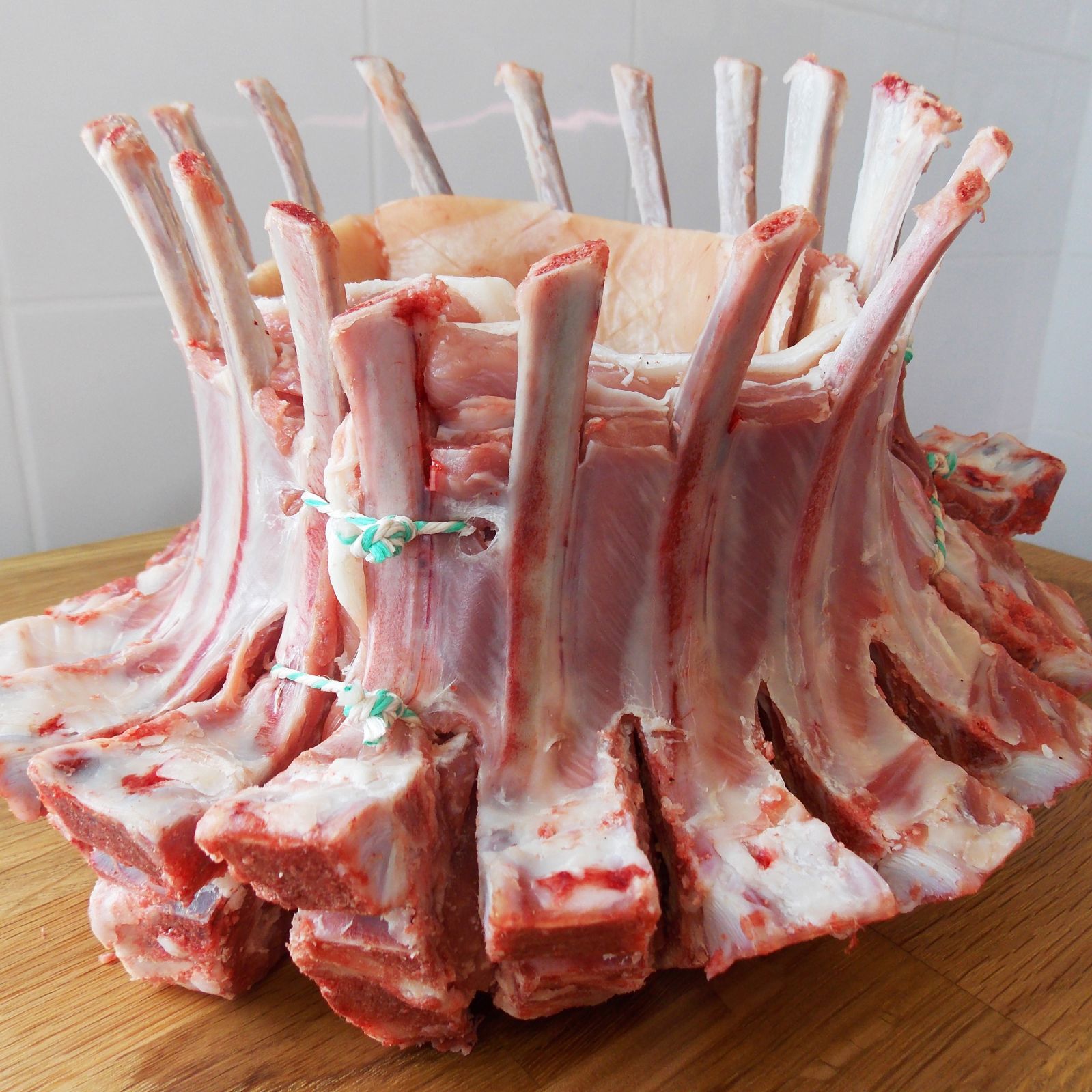
Let’s talk about “WOW” dishes. Prime rib is a wow dish. Perhaps because of the cost. Perhaps because of the sheer side and impressive nature of a giant chunk of bone-in sub-primal. Crown roasts take that wow factor and boost it up a couple of notches. See, a crown roast is in fact the same cut as a prime rib (whether lamb, pork or beef), but it’s been expertly trimmed by the butcher, then folded around on itself to form an impressive crown shape. Best to buy it from your butcher, otherwise it can be a lot of work.

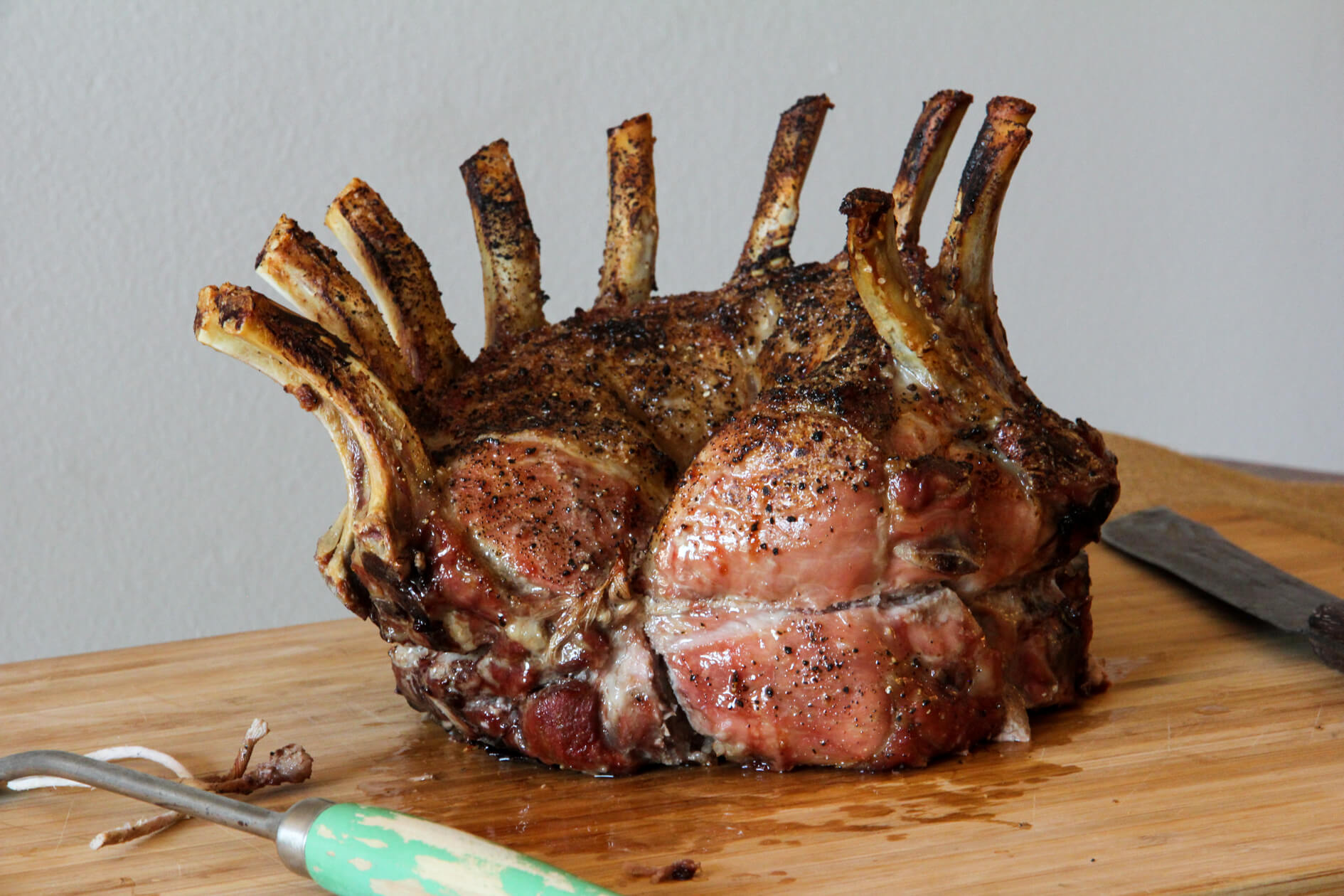
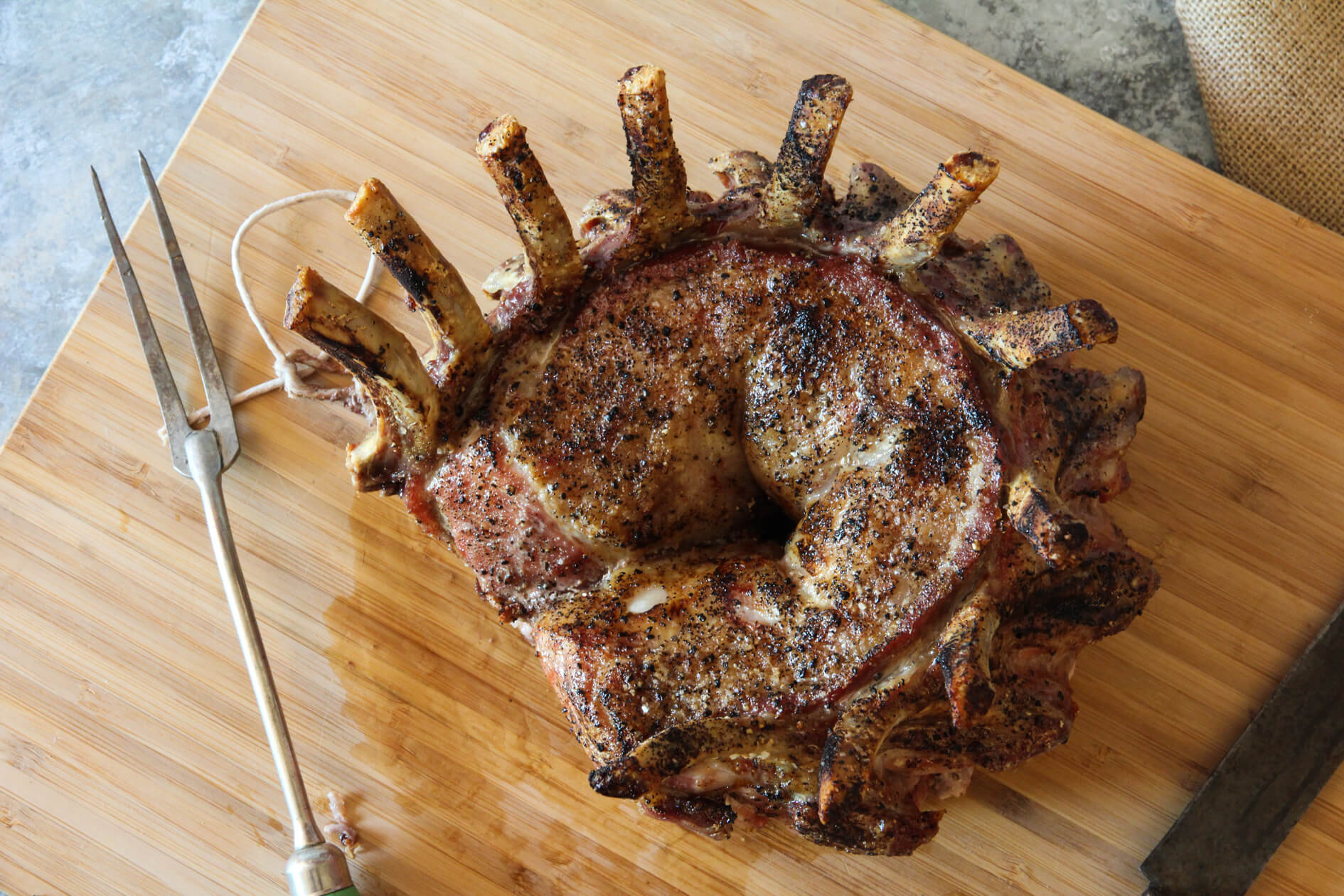
Beautiful ready made Pork Crown Roast from my butcher. Notice the string holding it together and notice the precut through the rib-bones for easy splitting later on. The above one, bought in Australia, is made from 3 separate rib racks, each 5-6 chops.

A pork crown roast can be as visually impressive as its red meat counterpart without being quite as rich (on both the stomach and the wallet!). Just like with beef breeds, there are certain breeds of pork that are considered superior.  Talk to your butcher and get his advice, a large crown roast will yield 10 generously sized chops. Here in Uruguay they don’t know about such a cut, so I took some pictures to the butcher and preordered them.

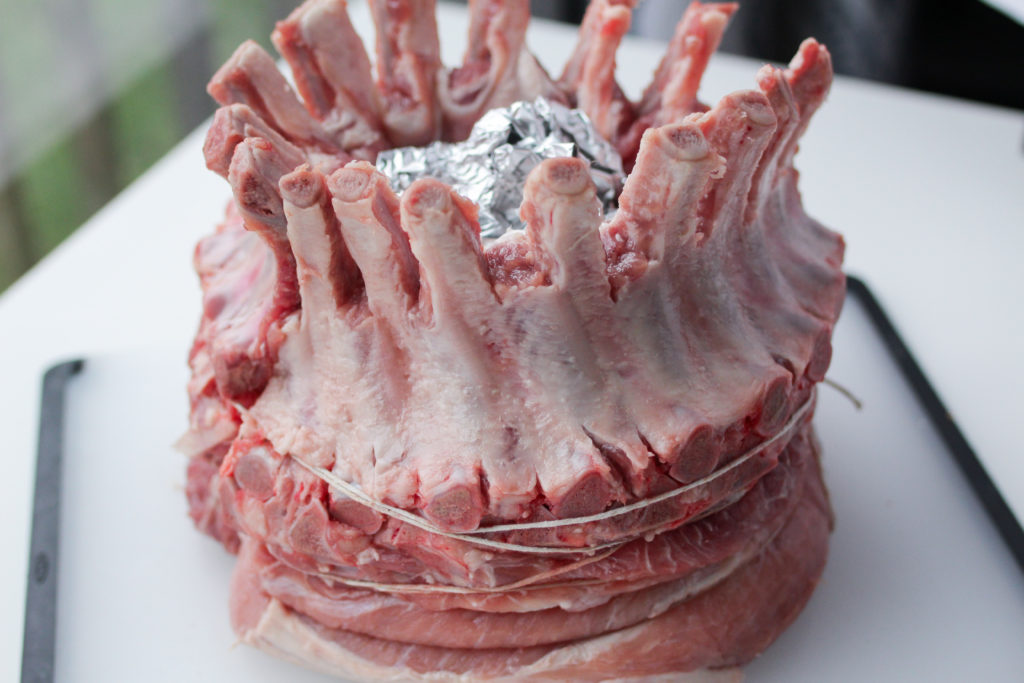
That was one here in Uruguay, different then the Aussie one, but will do. A good idea is the ball of tin foil in the center, it will keep the crown in shape. Leave it during roasting inside, except you fill the center with one of the favorite fillings, similar as you use it in turkeys.

The method of cooking this crown roast was a reverse sear. Reverse is is any cooking method that uses low and gentle heat to start, then finishes the meat with a hot sear. The ‘gentle’ part of the cook can be anything from sous vide, to indirect grilling, to smoking. It’s not what you use that makes it a reverse sear, but rather the order in which you applied low then high heat. I prefer to do it on the grill (BBQ) rather then using the oven.

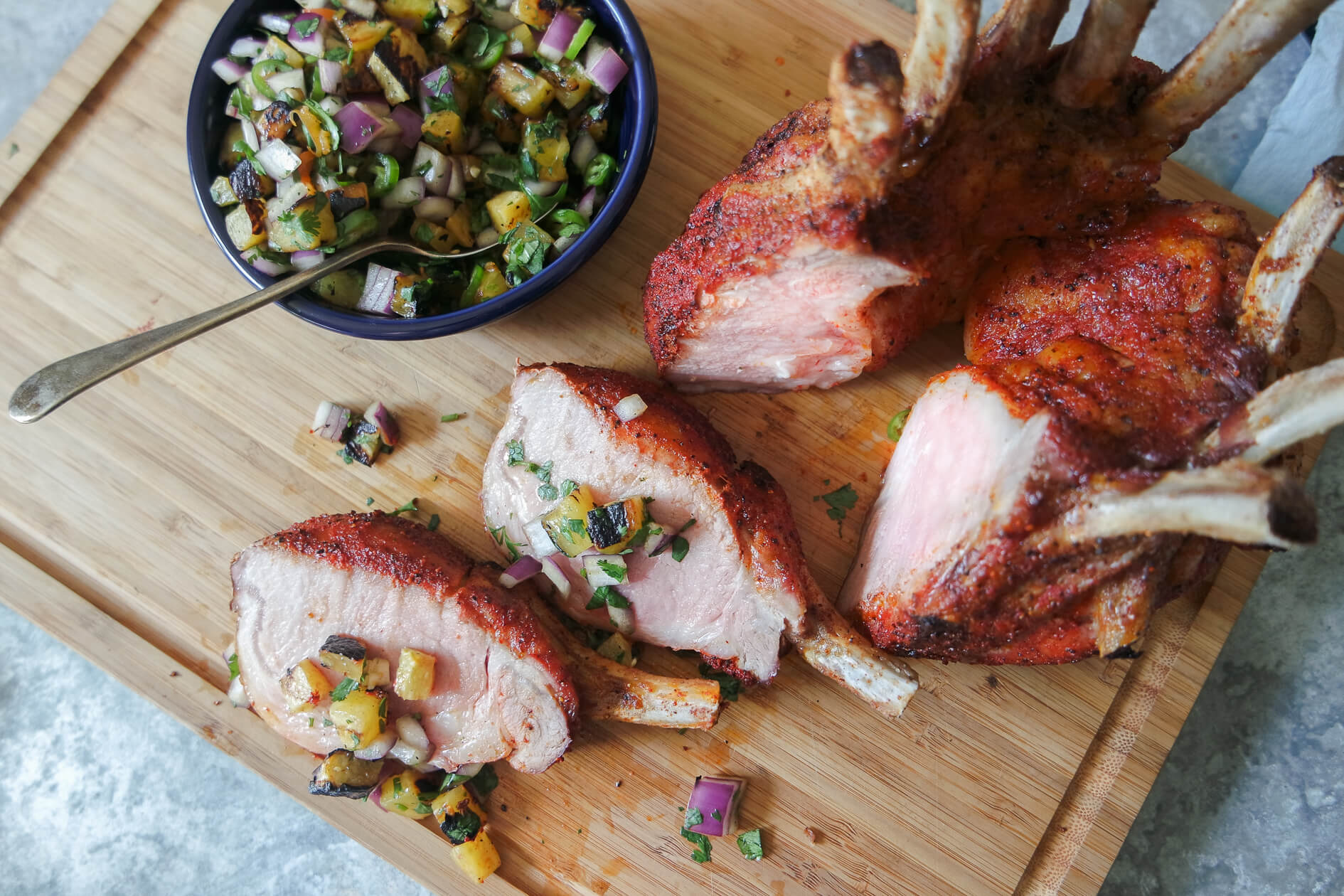
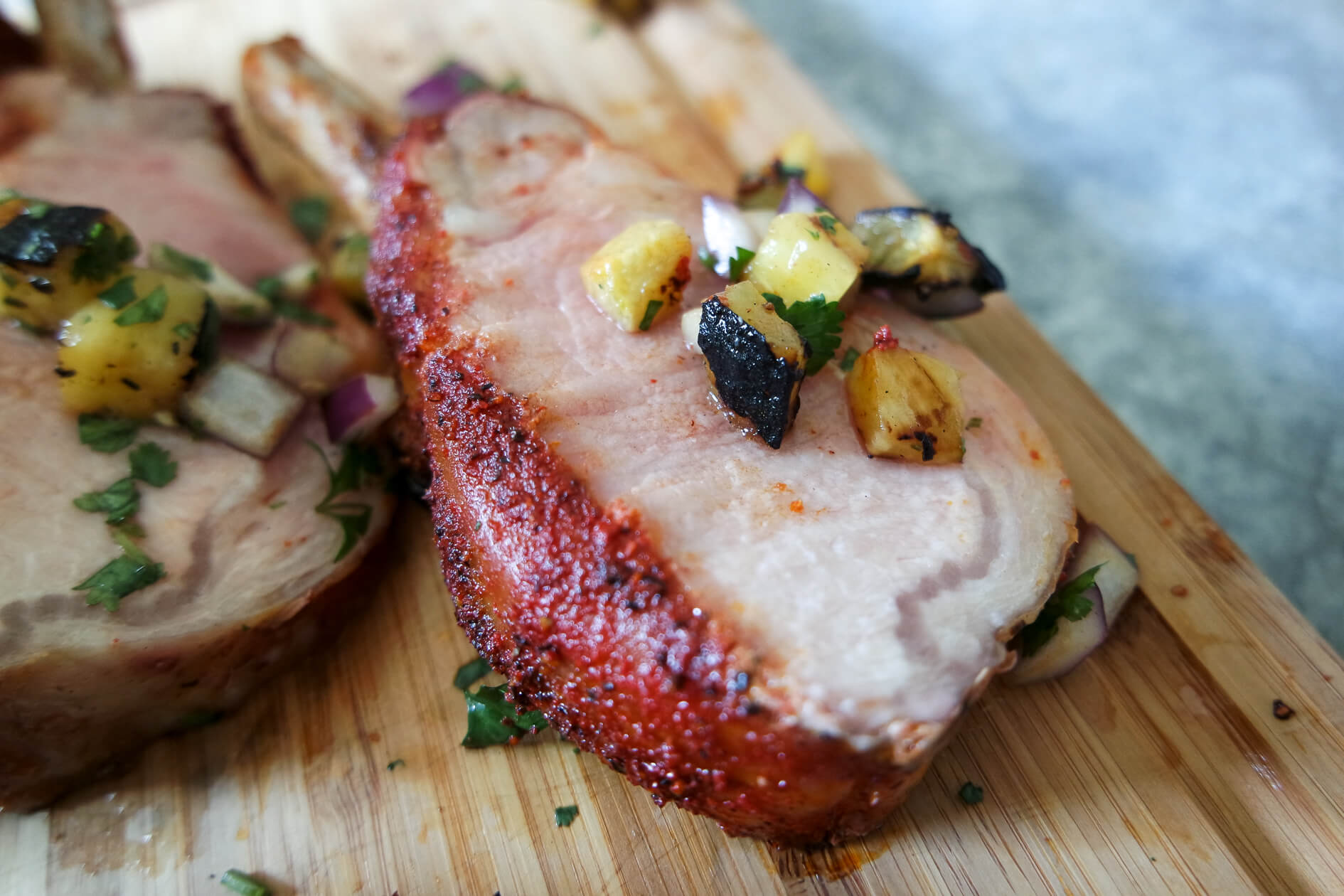
This bright red achiote-basted crown roast of pork is given the tropical treatment with a side of spicy grilled pineapple salsa. Notice the pineapple slices aside of the roast. It is so easy to make and such a fantastic BBQ or oven dish to spoil your guests and yourself.

Ingredients.

For the roast:
1 x 2 1/2 kg (5 lb) crown roast of pork
4-6 tablespoons pork rub
2 tablespoons vegetable oil (I like coconut oil)
1 teaspoon cider vinegar
1 teaspoon achiote paste

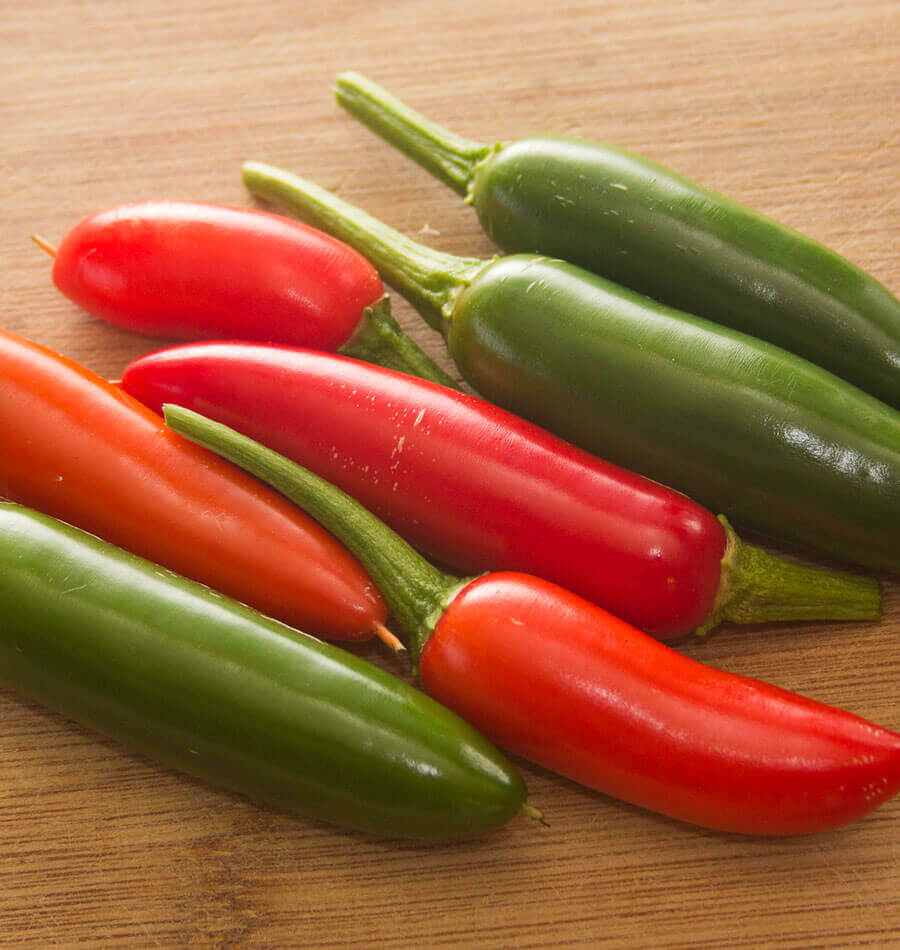
   Fantastic serrano chilli’s.

For the salsa:
1 small firm pineapple, cored and sliced
1 large bunch cilantro
3 hot chilli’s (serrano peppers), red and green
1 medium red onion
1 lime
salt to taste

This is a feast, from the grill, just now in autumn (here in Uruguay) or spring in the North.

How to do – Roast.

Preheat an grill or oven set for indirect cooking to 150 degree Celsius (300 F). Sprinkle the pork seasoning liberally over the crown roast, rubbing it in well to all the crevices between the chops.

Place the roast on the indirect side of the grill or into your oven and cook until it reaches an internal temperature of 70 C (140 F). Once the meat is at the correct temperature, bring the temperature up to 240 C (500 F).

In a small bowl, combine oil, vinegar and achiote paste. Use a brush to baste the roast with the paste mixture, then return to indirect cooking on the hotter grill. Cook a further 10-15 minutes until the paste sets to a lovely color.

While the roast finishes cooking, lay the pineapple slices directly over the coals and sprinkle with a little salt. Cook 2 minutes per side, so that char marks develop but the fruit doesn’t get too soft. Have a look on the picture 3 above. Remove the roast from the grill and cover loosely with foil to rest for 10 minutes.

Believe me – this is better then chicken wings !!!

How to do – Salsa.

While the roast is resting, prepare the salsa.

Dice the charred pineapple strips into fine pieces and place in a bowl. Roughly chop the cilantro and finely dice the onion, then add to the pineapple.

Cut the stem off the chili, and finely slice into rounds. If you prefer a less spicy salsa (serrano can be fiery!) de-seed before slicing. Add the chili to the bowl along with the juice from the lime. Mix all the ingredients together and season with salt to taste.

To serve, slice the roast into chops by cutting between the bones. Top with grilled pineapple salsa.

Tips.

Another serving idea is the tropical combination with a spicy-sweet fruit rice from Thailand. Fruit and sweet and pork goes so well together. In case you like it more German, then try it with potato dumplings and hot plum or hot apple salsa, a delight, believe me !!

And finally, how about BEEF ROAST ?

This will be on the expensive side, but sometimes one will impress their guests based on decoration, taste, money and size. That will be a big party meal !

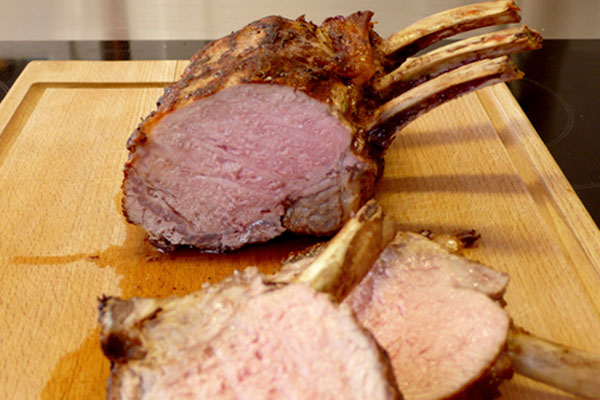
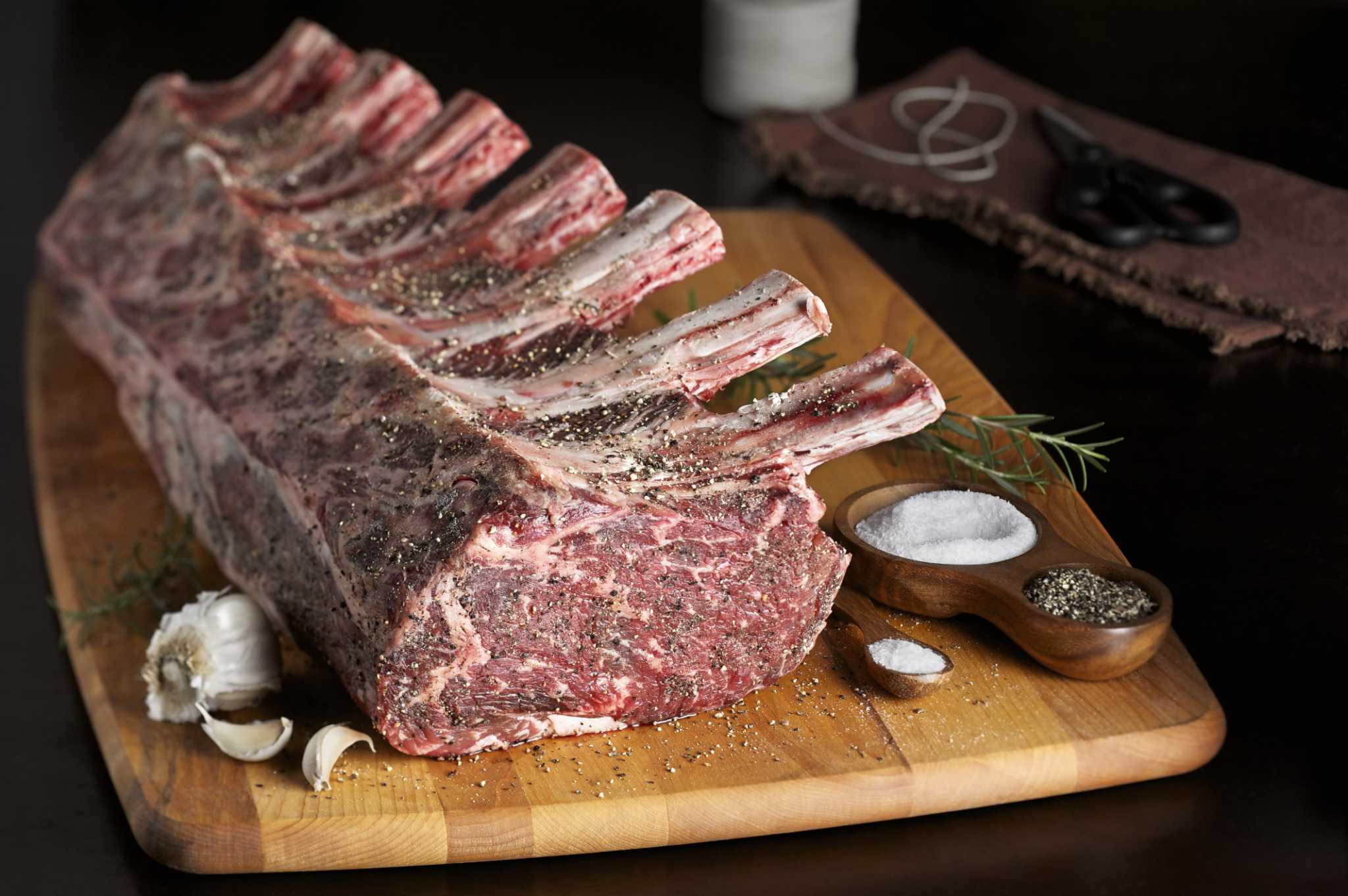
This 3 1/2 kg (see above – about 8 pound) rib eye crown was 26 days aged, beautifully trimmed and sold for US$86.– per kilogram. This won’t bend to a round crown, so one will roast it as a „standing up rib roast“. Most beef ribs must be roasted like this, because it is almost impossible to round smaller pieces below 16 to 20 chops.

        Here you can see why it’s not possible to round a short piece of meat into a crown. And no one want to trim off the best meat inside. So, folks, this will be allocated to a large crown and then filled and over-baked with a tasty fruity side dish.  See below. Imagine – a lovely glass of red wine, appreciated with a group of good friends or family. May be this Corona Easter Weekend is the right time to celebrate !?   I hope you enjoyed this post !


Veröffentlicht unter Uncategorized | Verschlagwortet mit , , , | 2 Kommentare

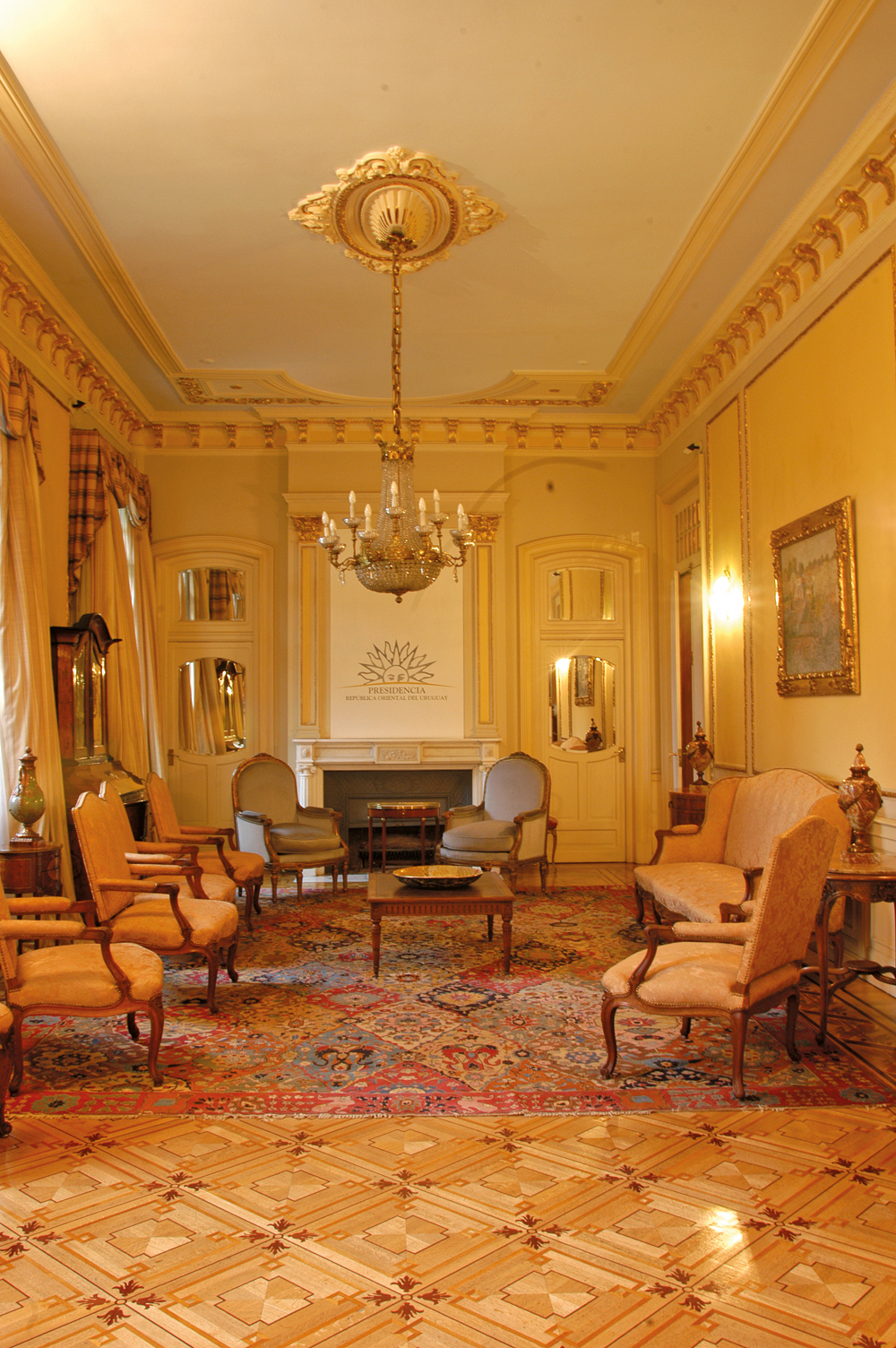
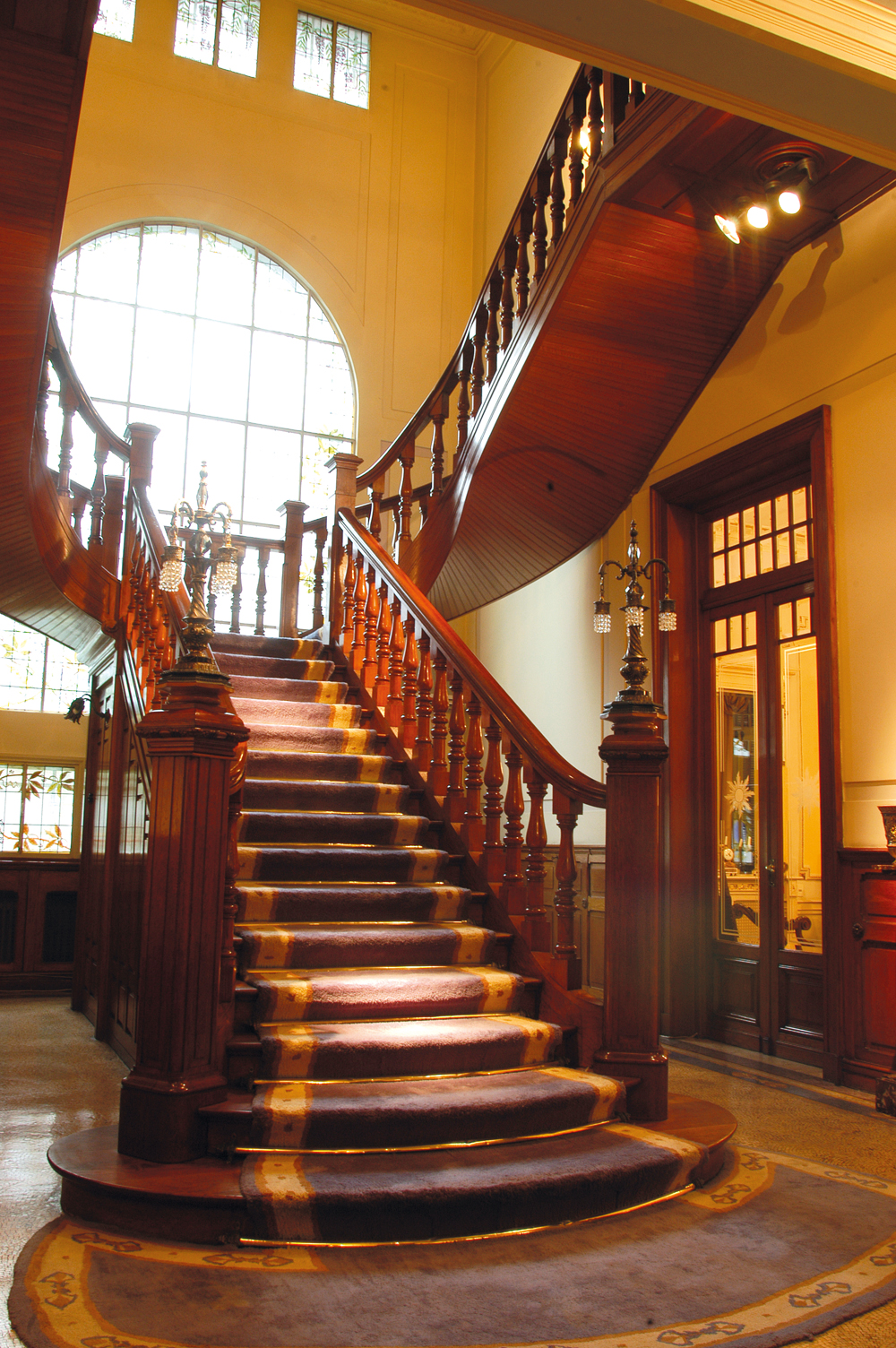
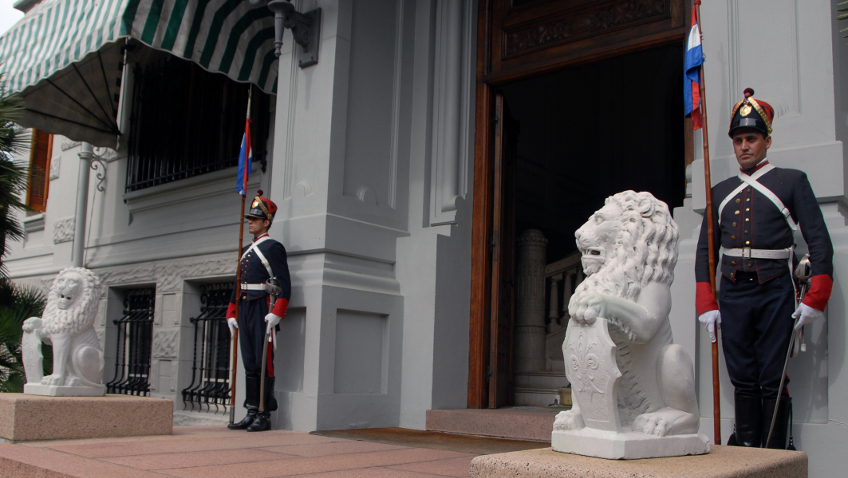
The Suarez Residence

This week I came over an article in the local press about the move of President Lacalle Pou into the official Presidents mansion of Uruguay. I like to introduce you to these information’s, because they show a rare and specified view into lifestyle and income of Uruguayan employees, which I never have seen like it in the last 10 years here in Uruguay.


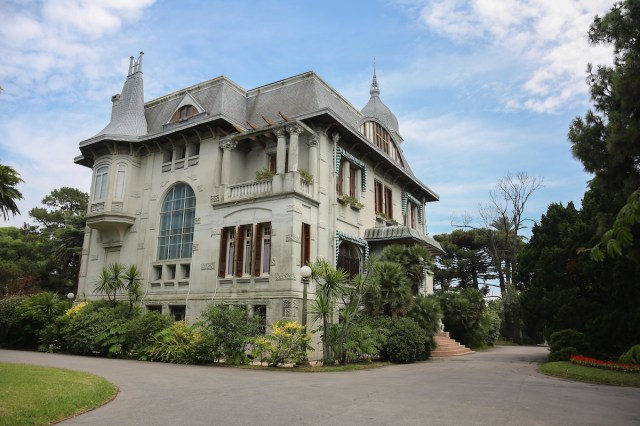
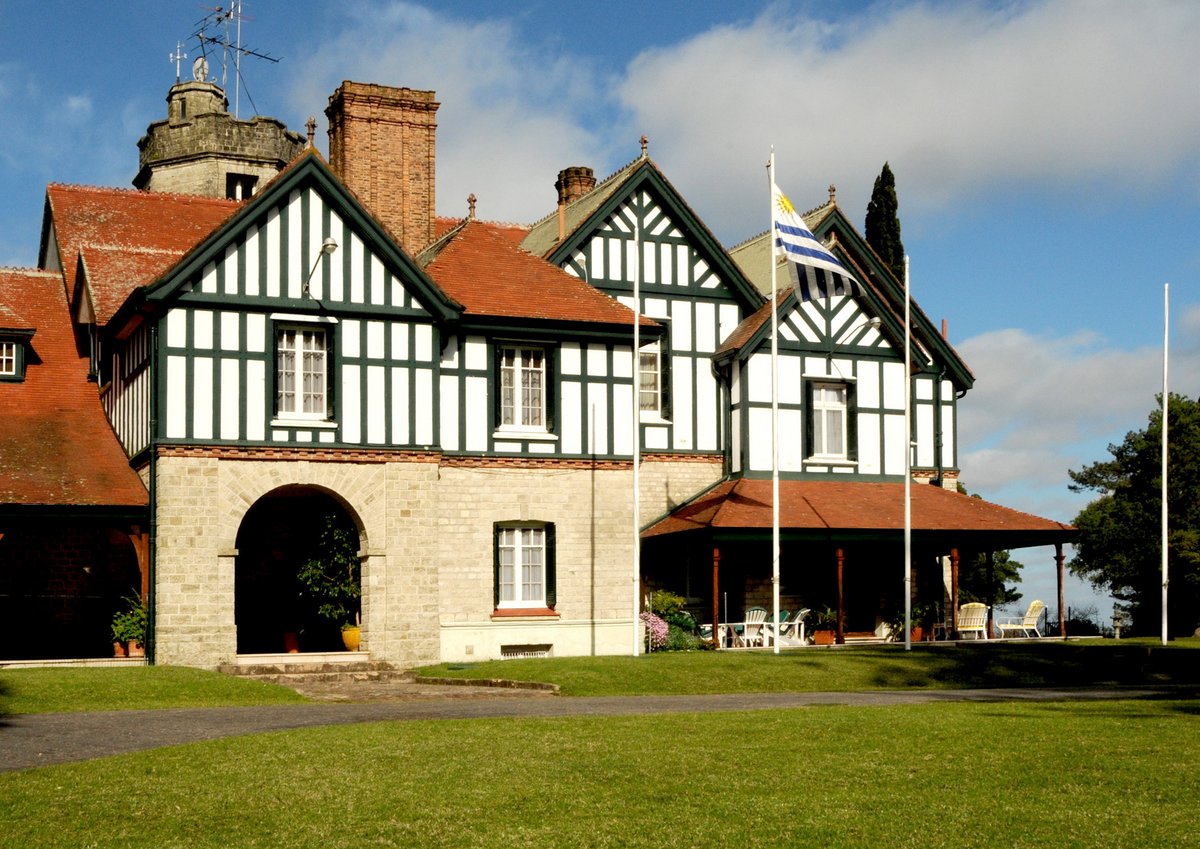
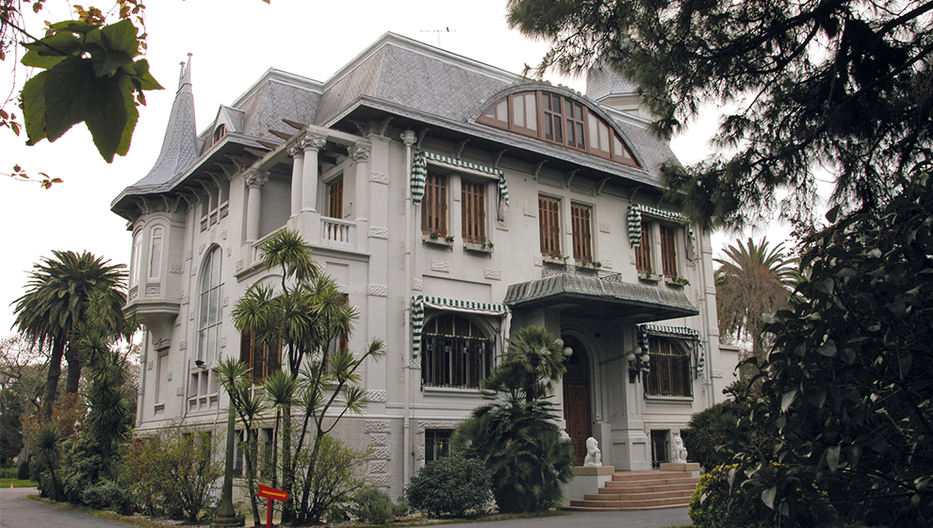
President Lacalle Pou moved with his family to the Suárez and Reyes residence in the Prado area as soon as he took the reins of the country.

Residencia Presidencial de Suárez y Reyes, or simply Residencia de Suárez (Spanish for Suarez Residence), is the official residence of the president of Uruguay, so-called because it is located at the intersection of Suarez and Reyes streets, in Prado, Montevideo. To its back lies the Montevideo Botanic Garden. It was built during the first presidential term of José Batlle y Ordoñez.

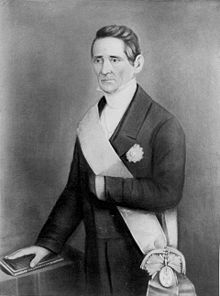
  Joaquín Luis Miguel Suárez de Rondelo (born August 18, 1781 in Canelones, died December 26, 1868 in Montevideo). In December 1828, Suárez served as the first head of state of the territory that was about to be known as Uruguay two years later.

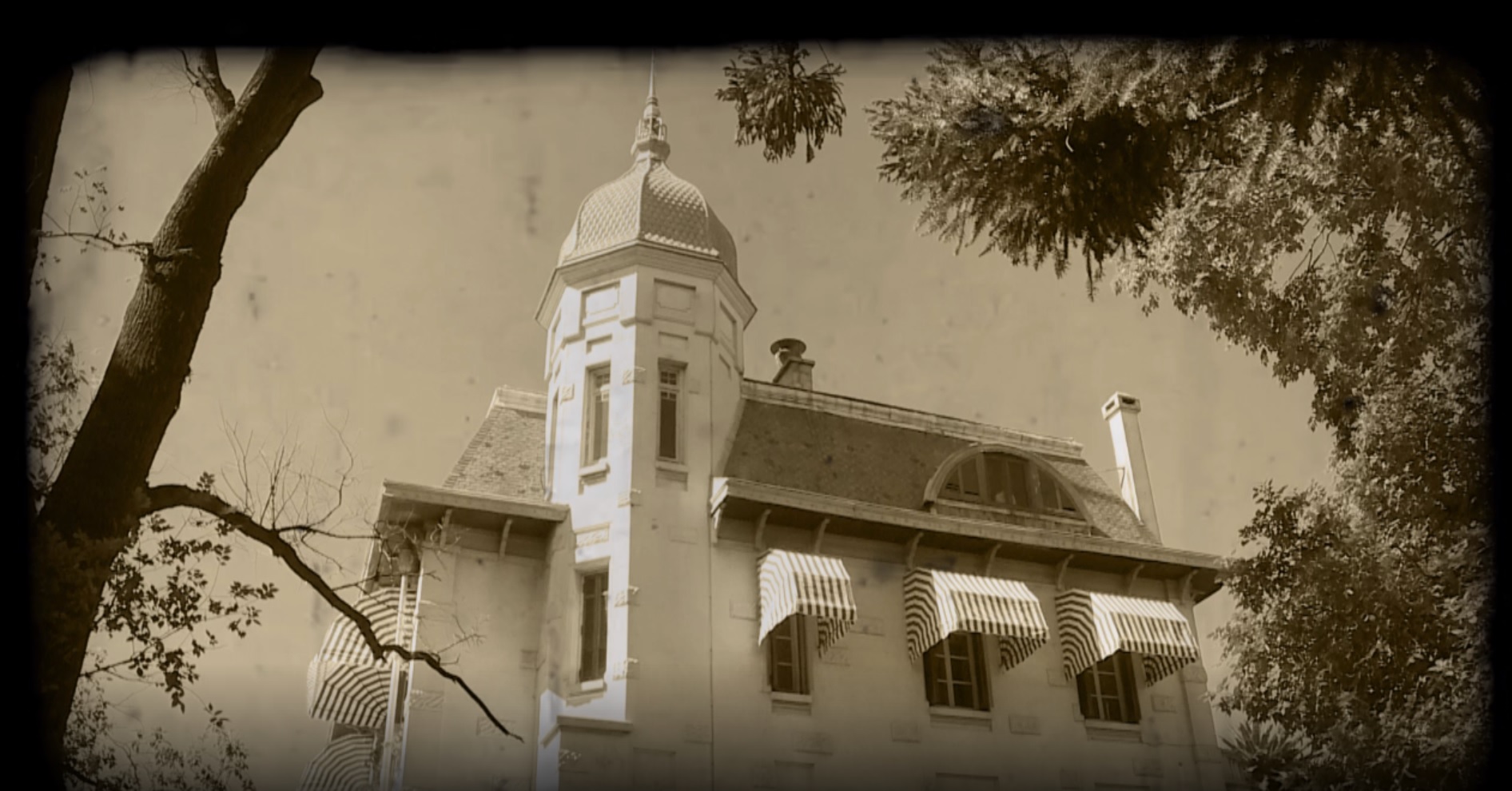
In 1907 the land lot was acquired by Adelina Lerena de Fein at auction. There, the Fein Lerena family ordered the construction of a three-storey house by the young architect Juan María Aubriot, who finished the work in 1908.

After the death of the house owner, the family decided to sell the estate, which was acquired by the German Werner Quincke. He commissioned reforms to the architect Karl Trambauer, who added its characteristic tower, as you can see in the picture above. The Quincke family sold it to the Susviela Elejalde family, who were forced to give up their rights to the Montevideo Municipality due to financial problems.


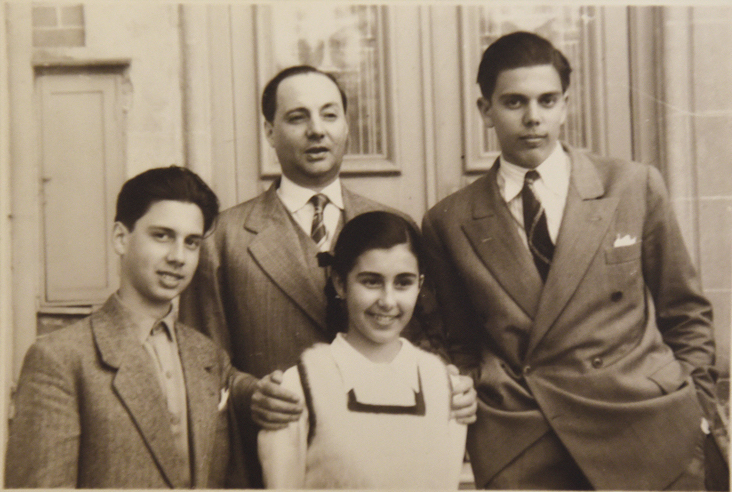
Luis Batlle, the first president who lived in Suárez, with his children Jorge, Luis and Matilde.

In 1925, the young Luis Batlle Berres and Matilde Ibáñez Tálice met while walking in front of this property. Soon after they were married, in 1947, Luis Batlle Berres was already president, and at the suggestion of his wife they chose this mansion as their official residence. They commissioned reforms to the architect Juan Scasso (who designed and built the Centenario Stadium).

 
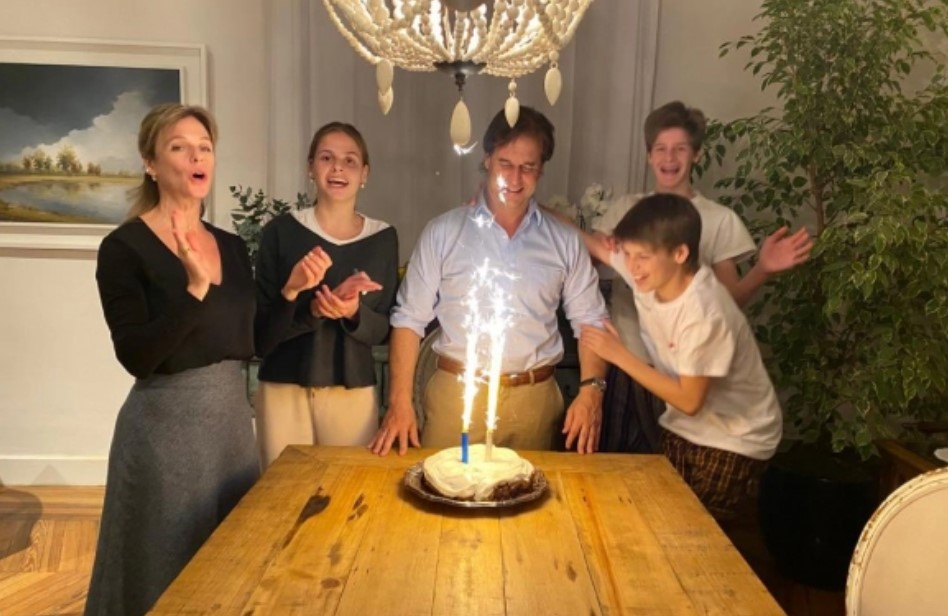
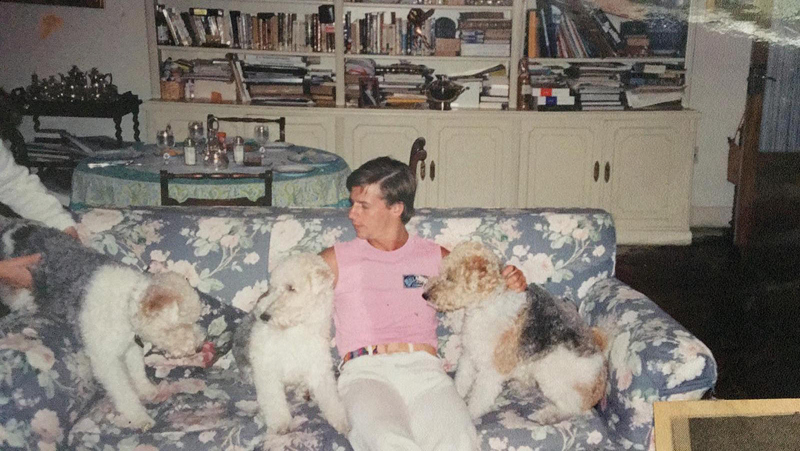
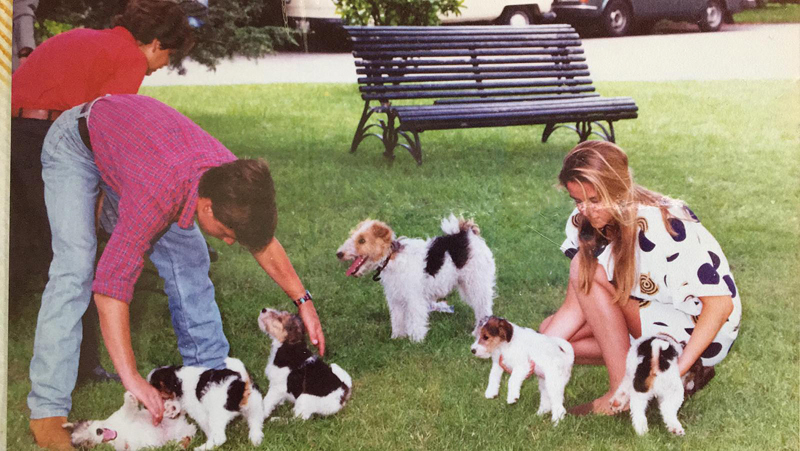
Luis Alberto Lacalle Pou in Suárez’s house when his father was president. Luis Alberto, Pilar, and Juan José Lacalle Pou at Suárez.  What a wonderful bunch of Terrier’s they had, click on the pics to supersize.

The president Lacalle Pou himself had lived there as a teenager when his father, Luis Alberto Lacalle Herrera, held the office, but the gigantic mansion had been unused in recent administrations. Tabare Vazquez and José Mujica lived in their private residences.

President Tabare Vazquez resided often here, although he had his own house in Montevideo. Estancia de Anchorena, the official presidential retreat. Wonderful destination right on the edge of river Rio de la Plata, in middle of the National Parque Anchorena. It comprises about 1400 hectares, includes over 200 different species of trees and srubs from allover the world, has its own airport and is located about 30 kilometers north of Colonia del Sacramento.

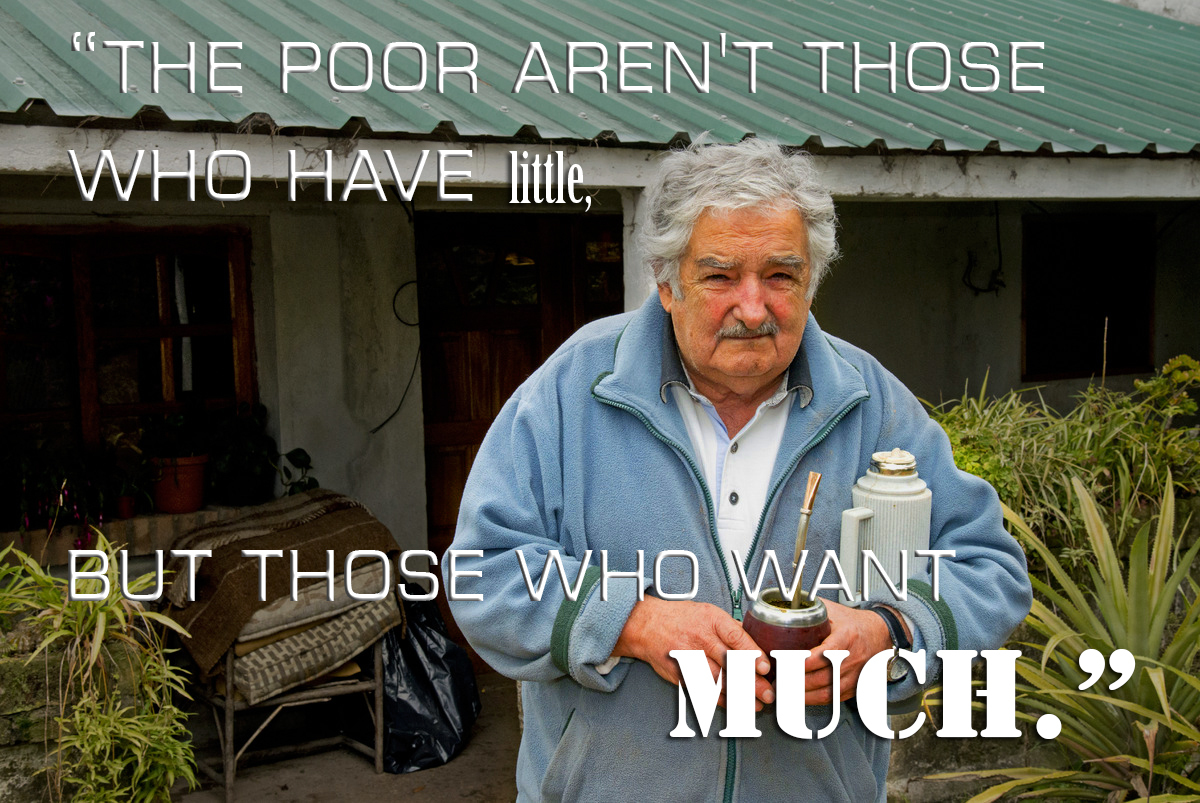
It’s a common grumble that politicians‘ lifestyles are far removed from those of their electorate. Not so in Uruguay. Meet the president – who lives on a ramshackle farm and gives away most of his pay.

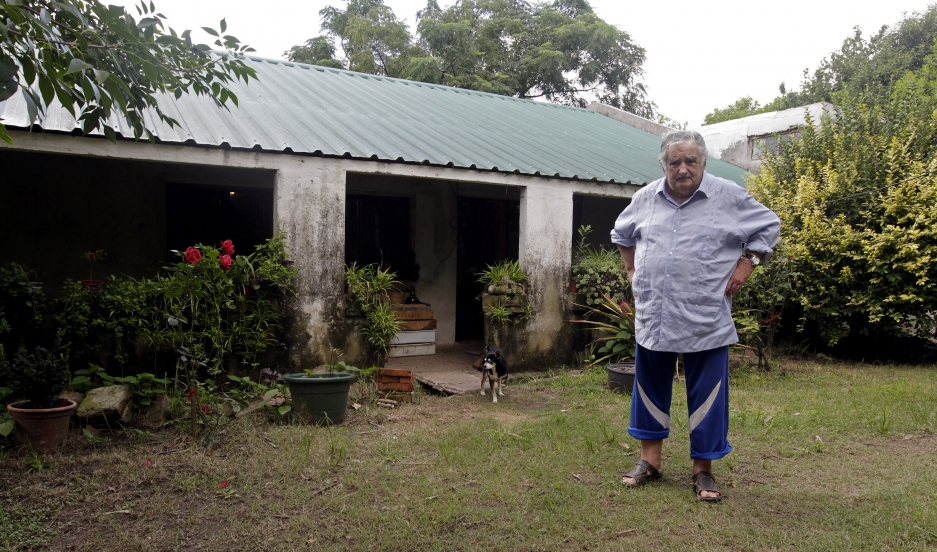
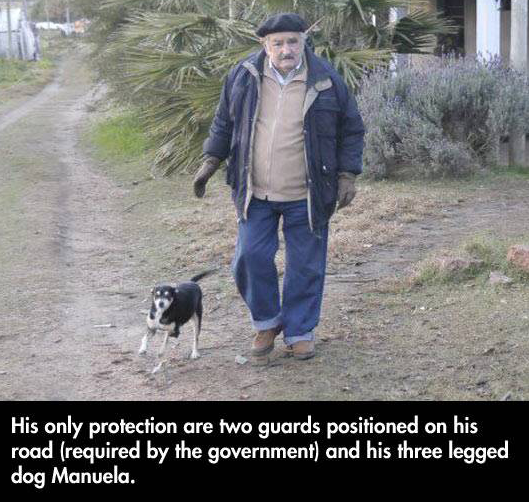
Laundry is strung outside the house. The water comes from a well in a yard, overgrown with weeds. Only two police officers and Manuela, a three-legged dog, keep watch outside. The picture down here shows the residence of the president of Uruguay, Jose Mujica, whose lifestyle clearly differs sharply from that of most other world leaders.

President José Mujica’s infront of his residence.

President Mujica has shunned the luxurious house that the Uruguayan state provides for its leaders and opted to stay at his wife’s farmhouse, off a dirt road outside the capital, Montevideo. The president and his wife work the land themselves, growing flowers.

This austere lifestyle – and the fact that Mujica donates about 90% of his monthly salary, equivalent to US$12.000, to charity – has led him to be labelled the poorest president in the world. He kept only US$ 1.200 a month, but he was ever happy !! Just by the way the Uruguayan presidential monthly salary is the 3rd highest in all Latin American country’s.

This digital portal El Eco denounced that the costs of running the official Presidents Mansion have multiplied since the President Lacalle Pou and his family have been living there. The media outlet cites data reportedly collected by the General Accounting Office of the Nation (CGN), which shows that costs currently amount to about US$400.000 per month, which would total US$24.000.000 over the five years of the government.

      Inside the Presidents Mansion      

This information, also replicated by Caras y Caretas, states that the number of security guards there were when it was uninhabited was 20, but now there are 80. An ordinary security guard earns a monthly salary of $39.000 (US$ 880), but if armed, the figure rises to $52,500 (US$ 1185). A personal security guard is paid $66.500 (US$ 1.500) and the monthly payment for camera surveillance service is $36.000 (US$ 812).

Guarding all day long for a salary of about US$ 800 a month !

The Echo also reports that there are a large number of service personnel, at least 20. Maids are paid $27,000 (US$ 609), and a cook costs the state $55,000 (US$ 1.240) a month. A nanny earns $25,000 (US$ 564), gardeners $22,000 (US$ 496), waiters $26,000 (US$ 587), and laundry staff $25,000 (US$564).

It is also reported that hairdressers, makeup artists and others can cost between $25,000 and $38,000 (US$ 564 and 858), medical and nursing staff between $27,000 and $70,000 (US$ 609 and 1.580) each, and veterinary services $47,000 (US$ 1.061).

Is there something – above – we can learn from ?


Veröffentlicht unter History, Information, Lifestyle, Uruguay | Verschlagwortet mit , , | 1 Kommentar

Will We Survive ?

Yes, we will survive. Human’s always find a way to survive, I am very positive! But this time it will be interesting „how“ and for what costs ! All is in change, everything will be different in the future and we have to be flexible, positive against changes and open for chances !!

Pandemic, climate change, species extinction:
The earth is suffering from at least three diseases.

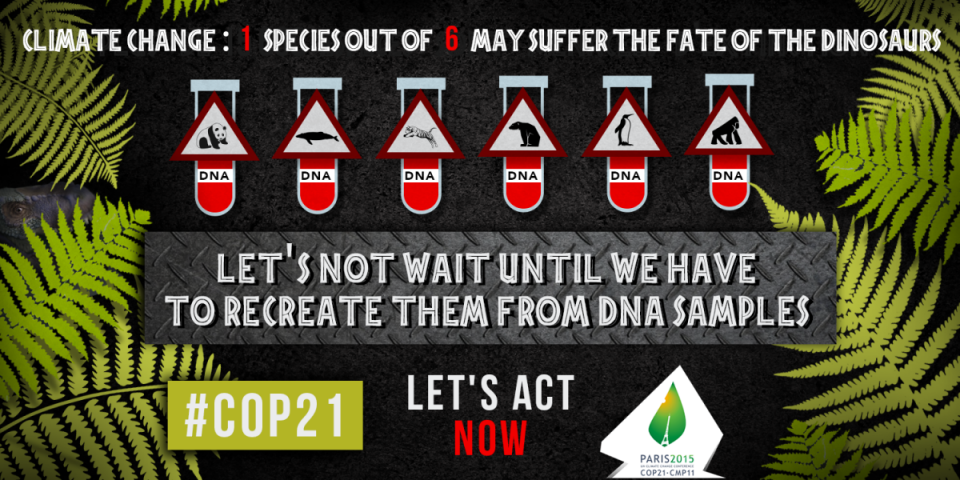
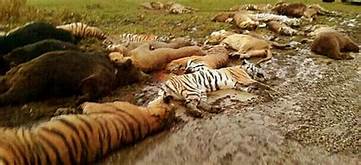
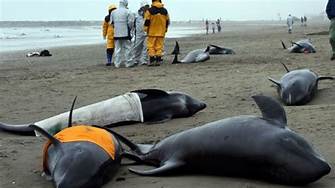
„We are witnessing the greatest extinction of species on Earth since the extinction of the dinosaurs. The difference is, this time, humans are the meteorite.“

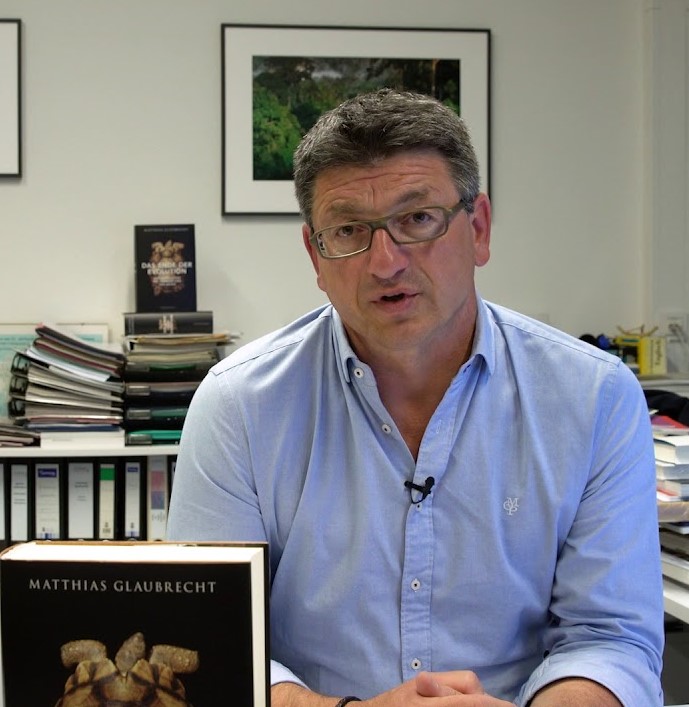
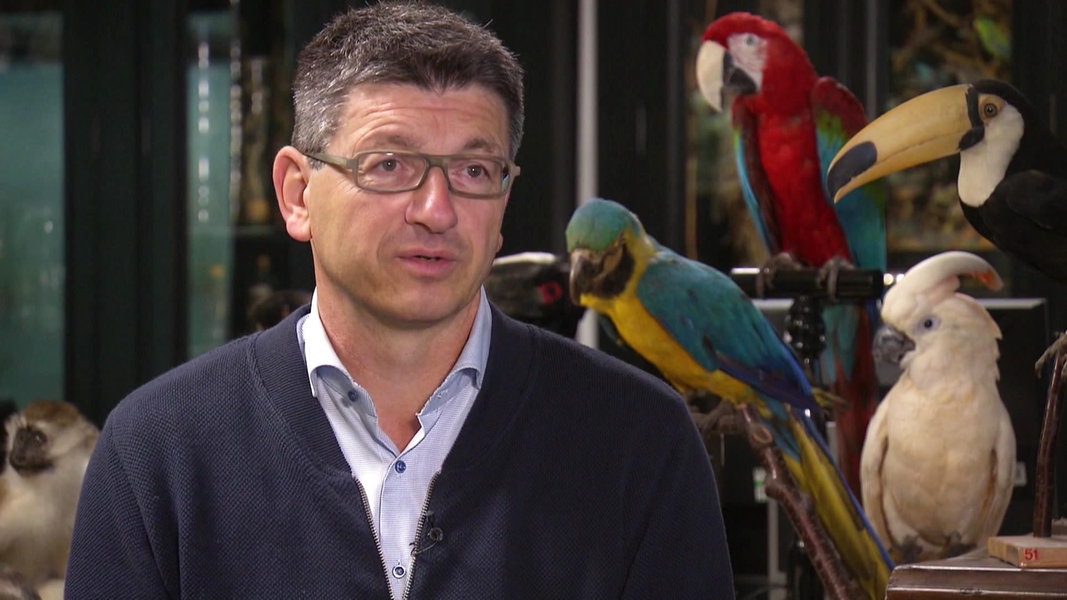
Last week I read the book „The End Of Evolution“. A book written by Prof. Dr. Matthias Glaubrecht. He is an evolutionary biologist, professor of biodiversity, and director of the Center for Natural History at the University of Hamburg. In his book „The End of Evolution“ he deals with the extinction of species and explains why man endangers the existence of all living beings with his behavior.


Man kind causes great damage wherever he appears.
It destroys vegetation and wipes out animal species.

Evolutionary biologist Matthias Glaubrecht explains very clear why species extinction is a bigger problem than climate change and what we can expect in the future.

Animal species are dying out, landscapes are changing. Man has had a major impact on his environment for thousands of years. For a long time, they didn’t even realize how great this impact actually is.

At the same time, climate change is not even the biggest problem at the moment. According to evolutionary biologist Matthias Glaubrecht, the earth is suffering from at least three diseases. He explains what this means for our future and what hopes he has for humanity. I will use his explanations and answering problems based on questions that arised when I was reading the book. And as always, I added explaining pictures.

How has humanity’s impact on the environment evolved ?

Roughly speaking, ever since man learned to walk upright, he has been a gatherer for 99 percent of human history. He has wandered around, looking for food in forested areas. His influence on his environment was still comparatively small. At some point, he moved in larger circles, learned to hunt. Moved with the herds of animals he fed on. And this behavior we have resolved only 10,000 years ago. Not in one fell swoop, not everywhere at once. But slowly man has become sedentary, has learned to raise livestock and to farm. This change in behavior was an incredibly important cultural step in the evolution of man.

What followed immediately ?

One immediate consequence was population densification – and with it the spread of infectious diseases, some of which we still have today as childhood diseases. For example, measles first appeared 2.500 years ago, as the closest relative of „Rinderpest“ (cattle plague). We have changed the vegetation as well as the earth’s surface first with fire and then with our agriculture. Humans as hunter-gatherers have already caused great damage wherever they have appeared outside Africa, and in many places have demonstrably destroyed mega-fauna, for example.

Are there concrete examples of this ?

Man kind wiped out the great Pleistocene fauna in North America and then in South America. When he showed up in Australia, the large giant marsupials and birds disappeared. When it appeared in the islands of Polynesia all the way to New Zealand, the large mega-fauna elements disappeared there. When these are missing, it also affects the vegetation, whose composition is different than when large herbivores live there. So we have shaped whole landscapes. We needed land to do agriculture. We needed the wood to do mining, for example, to support the tunnels with it; or for sailing ships. Then people got worried that the forests wouldn’t grow back as fast, and you wouldn’t have enough building material for the mining industry. So the principle of sustainability was developed in the 18th century. Not for ecological reasons, but for economic interest.


Glaubrecht: „We will lose a million species in the near future“.

In contrast, what has changed today ?

In the past, we changed the vegetation, changed the animal world. Today, we are interfering with the geosphere. We pumped chlorofluorocarbons into the atmosphere, then an ozone hole appeared. As a result, we quickly banned these CFCs. Now we’re sending greenhouse gases up. Most importantly, we continue to alter the biosphere to the point where we are wiping out entire animal populations. We will lose a million species of animals in the near future.

Is climate change to blame for species extinction ?

That’s the misconception. If we do everything right with climate change, we will still have this loss regardless. Climate change has little to do with the extinction of species. At best, it aggravates it, but it is not the cause. I would put the order of magnitude at ten to 20 percent at the most. Climate change and species extinction have about as much to do with each other as kidney failure has to do with heart disease.

Our patient Earth is suffering from at least three diseases: Species extinction, climate change, pandemics. And they have primarily nothing to do with each other, but they complicate the treatment of the patient. We have the problem of pandemics, which we tease out through our way of life. That’s sort of our cirrhosis of the liver. Then we have the kidney damage, which is climate change. For me, the species extinction, the heart failure, so, is the very big problem. If we treat the kidney and the liver, you still have the difficulty of cardiac death.

Why is species extinction progressing so rapidly at the moment ?

We are manipulating the habitats. We use two thirds of the earth’s surface for our interests alone. For our settlements, cities, traffic routes and above all for our agriculture. We have the problem that it took us a very long time to become very many. But now there are so many of us that we can no longer get a grip on it. 80 million people are added every year, even though the birth rate per woman has been declining for years. But those who are just being born now have an increasingly high life expectancy.

In developing countries, too, people are getting older. As a result, mortality is declining. By the end of the century, we must reckon with eleven billion people. So we need even more living space for more and more agriculture and our food production worldwide. Yet we have already destroyed about half of the earth’s natural forest cover in the last 10,000 years. So there is an insane transformation of the earth’s surface taking place. And in doing so, we are destroying the treasure troves of biodiversity.

Glaubrecht: „We are losing species long, long before we discovered them“.

But that’s why we have Red Lists, right ?

The problem is that with Red Lists, we’re only looking at a fraction, not even ten percent, of the species that have been described let alone all the species that actually live on Earth. That is, the 800 species that have been shown to have gone extinct in the last 500 years, and the ones that we are even looking at, do not represent the mass of animals and species that have disappeared or are currently disappearing. So we are losing species in the rain forests long, long before we even discovered them and described them scientifically. We didn’t notice that for a very long time.

And why ?

The experts call this phenomenon „shifting baseline“. It’s the change in the baseline. The grandfather who still went fishing had 1.000 fish in his net, his son 100, and the grandson only ten. But for everyone, the respective number is quite normal as a baseline. And a change is always measured against one’s own baseline. So you don’t even notice that once there were more fish and then there were fewer and fewer. Every generation creates a new basis for evaluation.

                  
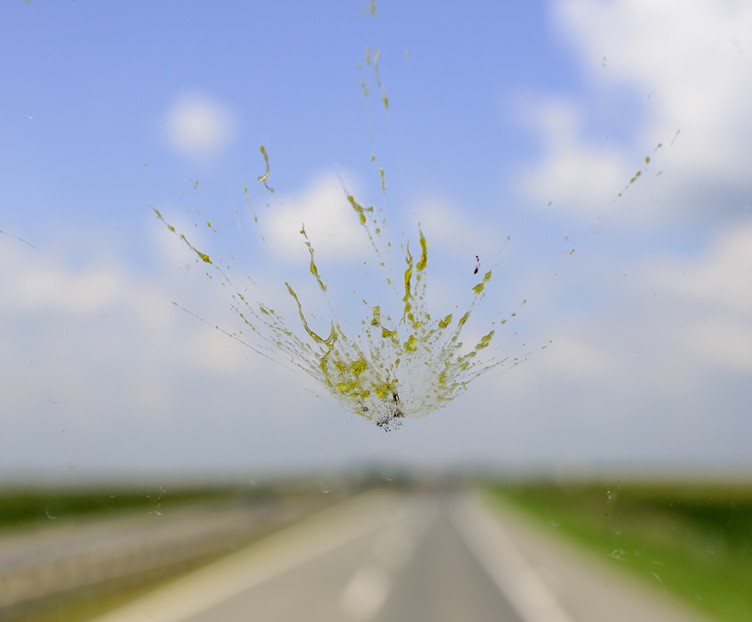
The difference: A car windscreen in the 1950’s-1970’s, left and in the 2020’s, right.

Isn’t it a bit like the lack of insects on the windshield ?

Exactly, we knew that anecdotally for a long time. Today, we can also prove it quantitatively with a study, the Krefeld (German city) Insect Study. We can say that 78 percent of flying insects have declined in 40 years. But when this study came out, all the experts were surprised. They could hardly believe it at first.

Similarly, in other cases, we have only noticed in recent years how dramatically we have actually already changed many other animal populations. Strictly speaking, we’ve been operating this process for millennia, just to varying degrees. But now it’s cumulative. Now habitats have become more crowded. Now more and more people are being born. Now we need more and more land for ourselves. Now we are living less and less sustainably.

Glaubrecht: „We are poisoning what lives around us“.

How can we still counteract mass extinction ?

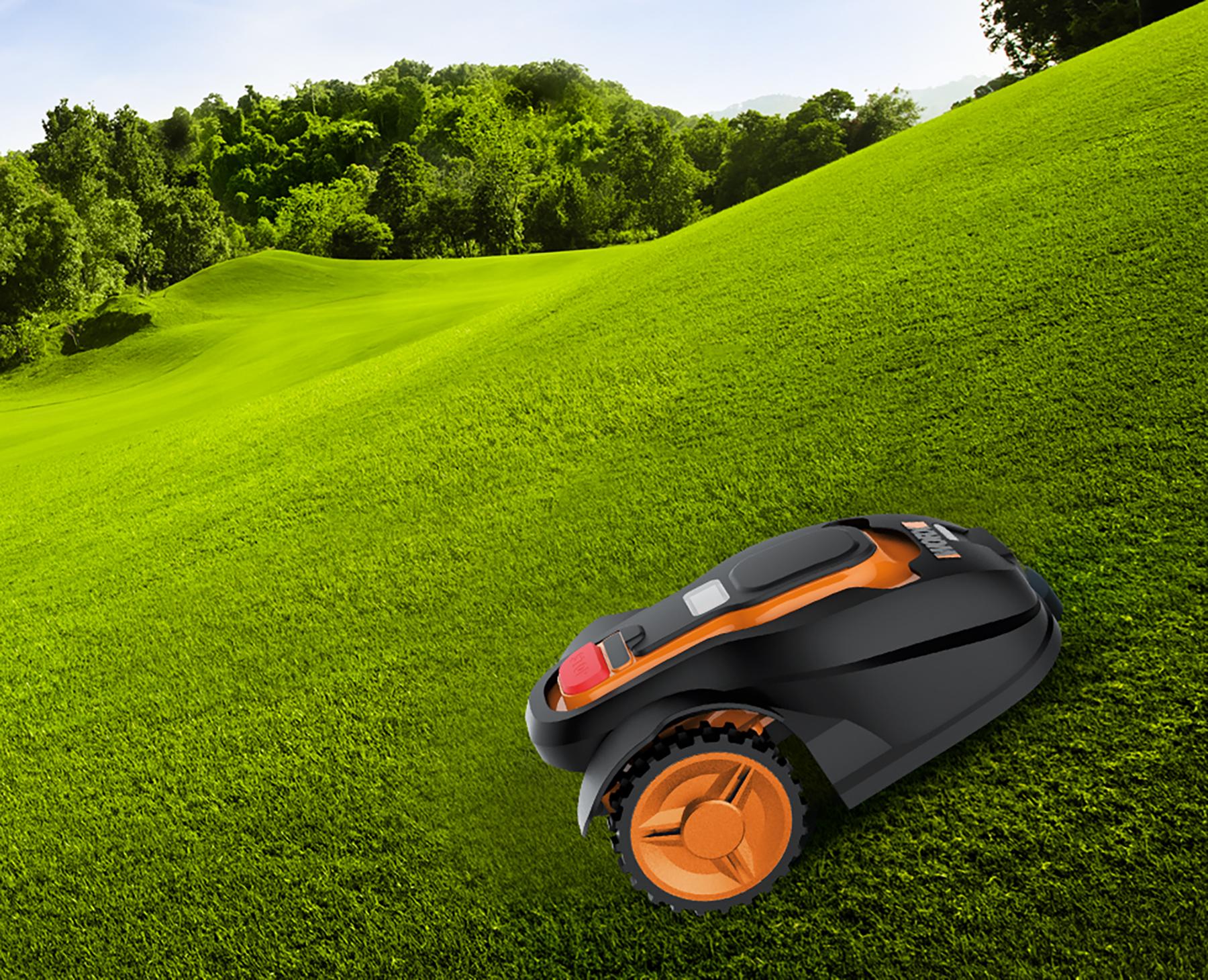
It already starts with our diet. For example, we can make ourselves aware that it makes sense to take the local beef and it doesn’t necessarily have to be an Argentinian steak. You also don’t have to fly to Nice or New York to go shopping. My neighbors could also take their robotic lawnmower back to the hardware store. Nothing grows through him anymore. As soon as a blade of grass makes itself felt, the lawn robot is already there.

  Landscape Cosmetic.

Most people don’t know what to do with nature anymore. When city dwellers move into the green, they destroy it first. They do away with all the large trees on their newly acquired property. We use our environment in an understanding that is no longer natural. We poison what lives around us. So everyone could think about what they are actually doing in their garden. We could think about what our community boards actually do with their community land.


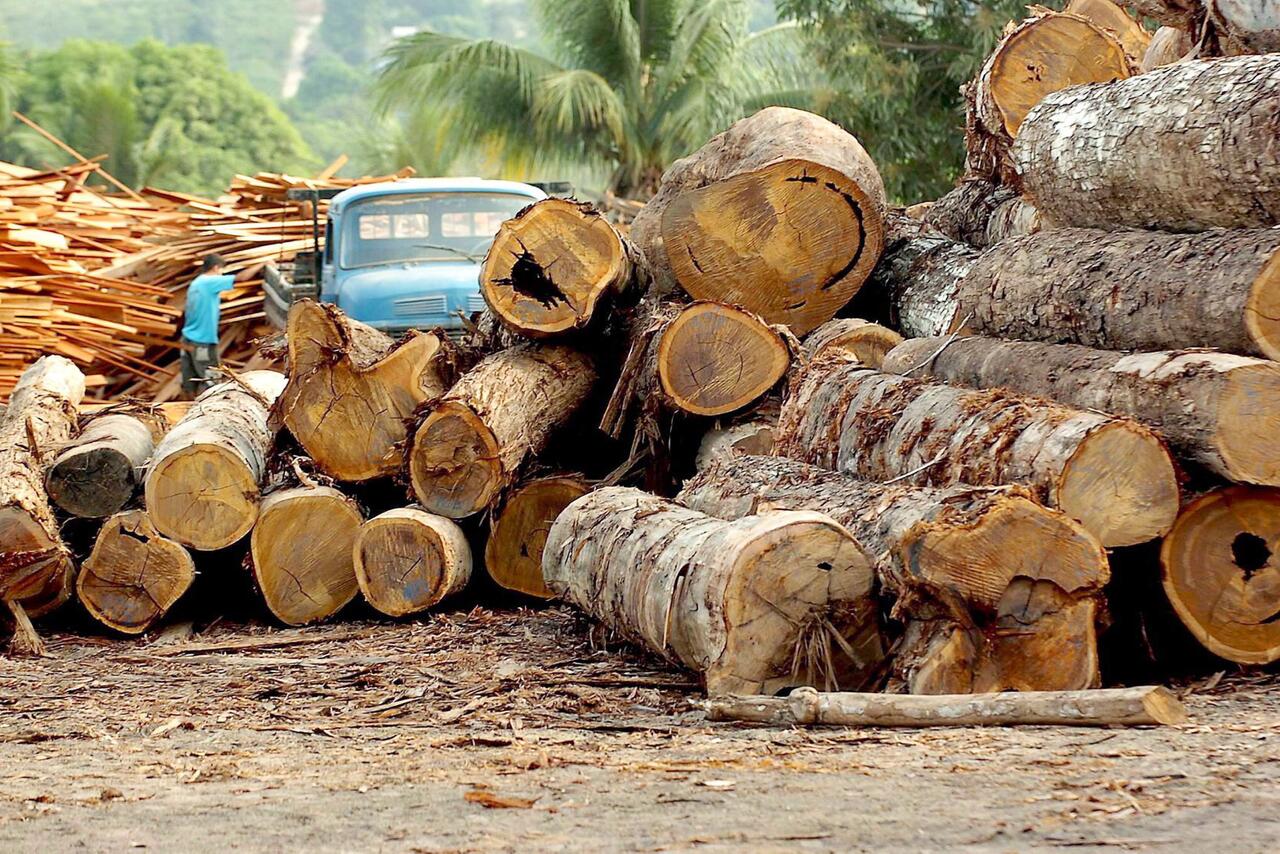
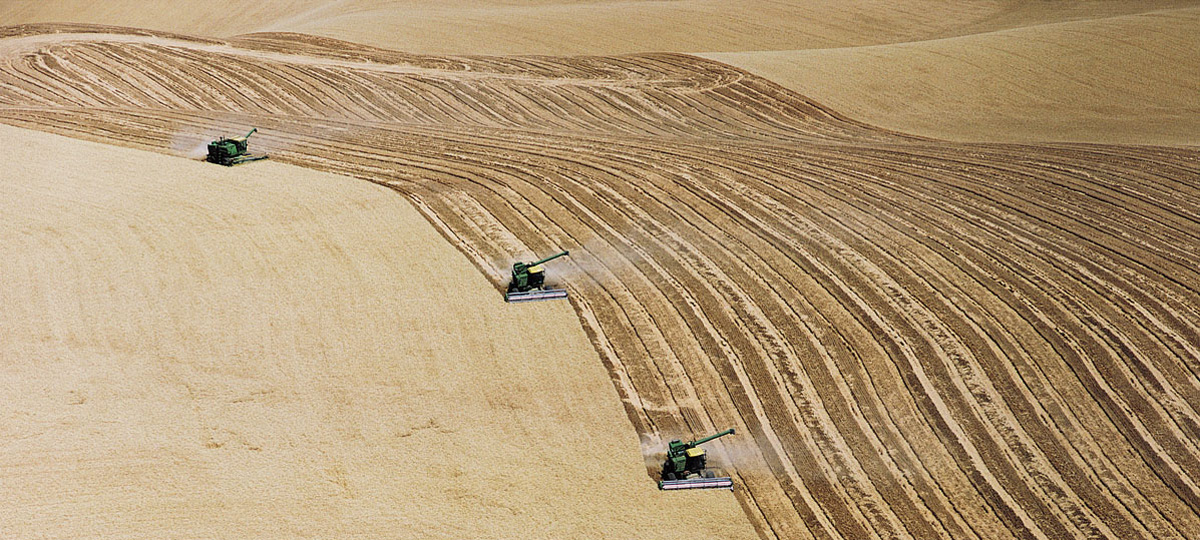
Industrial mono-culture, as far as the eye can see – all over the world !
Does the problem just occur in our own backyard ?

No, what we do in the gardens, we also do in the landscape. We are creating large structures that no longer allow for small-scale farming. These are full of poisons and no longer have a basic ecological structure. With this, we are actually eliminating the animals and the plants. We have destroyed our landscape and continue to destroy it. And if we don’t do it here at home, then we export this problem to other countries.

For example, by fattening our animals with soy that is grown on land where there were previously rain forests. The excessive, incorrect use of our landscape is the evil. That’s where we have to start. We have to ask ourselves how we can leave sufficient living space for animals on an increasingly narrow earth. At any rate, our declared goal is to make 30 percent of the earth’s surface close to nature by the year 2030.

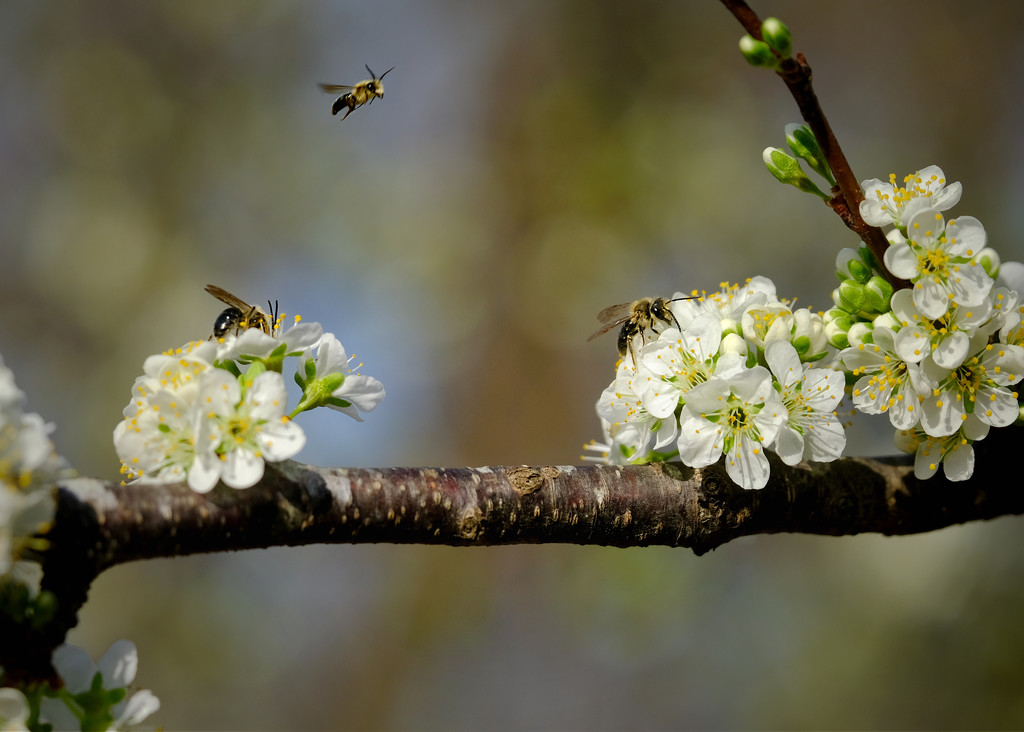
Years ago we had many bees in our plum tree, day by day. This year, may be 2 a week.

One example out of my own experience. 10 years ago, when we bought our house in Uruguay, we had a plum-tree with hundreds of fruity plums, now only a few. We had on our fig tree hundreds of figs, now only a few. We had massive amounts of oranges, pomelos and mandarins on each tree, now a few only. Why – we can’t see bees anymore The bee mortality problem around the world is known for some time, nothing happens!

How will life on earth change in the future ?

There will be a biological solution. One can describe it like this: There will be wars, diseases, disasters and chaos. If we don’t get population growth under control, that will lead to greater food insecurity. That will trigger migration. That will trigger wars and distribution struggles, diseases will increase. Many new, today totally unknown, deceases will occur, like the Corona pandemic. Our population will collapse.

        The extinction of species exists – day by day !

Glaubrecht: „With these species may go humans“.

Could this be „the end of evolution“ ?

It’s likely, if we don’t change our behavior, that this will indeed be the end of humanity. Of course, it’s pointed and hyperbolic to say that’s the end of evolution itself. But it is the end of that evolution as we know it – with the many creatures we know today, like zebras, lions, tigers, giraffes, elephants or birds of paradise. They won’t be around in a few decades. They will become extinct. Even if we survive. It’s the end of the evolution of these animal forms that have evolved on Earth over many millions of years until we joined them. And with these species may go, at least that’s the danger, humans will go as well.

But the planet basically doesn’t need us to continue to exist.

The planet manages quite wonderfully without us. We will leave our mark, of course. In 2020, there was more mass of man-made products, that is, more buildings and technology, than there is biomass on Earth. That won’t just disappear when we leave. The amount of plutonium in the atmosphere will also be measurable for millennia. But at some point, even these traces will be erased.

Our earth has already gone through an insane amount of geological changes. It has been on the move for 4.5 billion years. And there have been mass extinctions in evolution independently of humans. The one we have now is the seventh. The meteorite impact 66 million years ago, for example, not only caused the end of the dinosaurs, but also the extinction of 70 to 80 percent of the animal and plant world. It took 10 to 15 million years for the earth to recover from that.

Do humans will change?

Glaubrecht very clear: I have hope that people in the generation now growing up will think more about this problem. And also act accordingly. After all, there are hopeful signs that mankind is changing. We used to fight many more wars and there were many more victims of violence. We based our prosperity, among other things, on slavery and colonialism. For a long time there was no equality.

Today that is considered reprehensible. Humanity has learned and avoids certain behaviors. This is a steady drip. It is a long journey, each of us can take the first small step. And if we become more sustainable everywhere in our economy and way of life – and we can do that within one generation – then we have already achieved a great, great deal.

My opinion  – human’s won’t change. To many millions of people are just fighting for survival and many many more millions will come. The world will fight back with pandemics or deceases or other natural disasters, but mankind only will use it for profit (at least a few) and the rest can die. Slowly we will grow back to middle ages. Just see how many idiots handle the corona pandemic nowadays, by example USA-Trump, Brazil-Bolsonaro, Hungary-Orban, and many more. The world will survive without us.

By one of Germany’s best-known evolutionary biologists.

Climate change is finally on everyone’s lips. But as alarming as it has become, it is only a sideshow in the face of the apocalyptic horsemen who are currently riding over the earth in an act of devastation: Population explosion, resource scarcity, environmental destruction and species extinction.

In his equally comprehensive and nightmarish analysis, the renowned evolutionary biologist Matthias Glaubrecht sees a worldwide biological tragedy approaching us with the looming mass extinction, the greatest species loss since the extinction of the dinosaurs. Humans have thus mutated into the greatest predator and the decisive evolutionary factor today, endangering the existence of all living beings – including their own.

If our cells were to repair themselves eternally, we would be immortal. Biologically, that would be possible. Then why don’t they do it ? Why is no repair, as above,  possible ?

However it began, life came into the world long before death. The first cells, which probably began to divide and multiply in the primordial soup no earlier than 3.8 billion years ago, were „potentially immortal“, as biologists say.

„Whether the end of evolution, which threatens to become a realistic scenario by the middle of the 21st century at the latest, can still be stopped, will be decided solely by our actions in the decades immediately ahead of us“, says Glaubrecht.

When do we start survival and use our brain again ?

Veröffentlicht unter History, Information, Lifestyle | Verschlagwortet mit , , , | 2 Kommentare

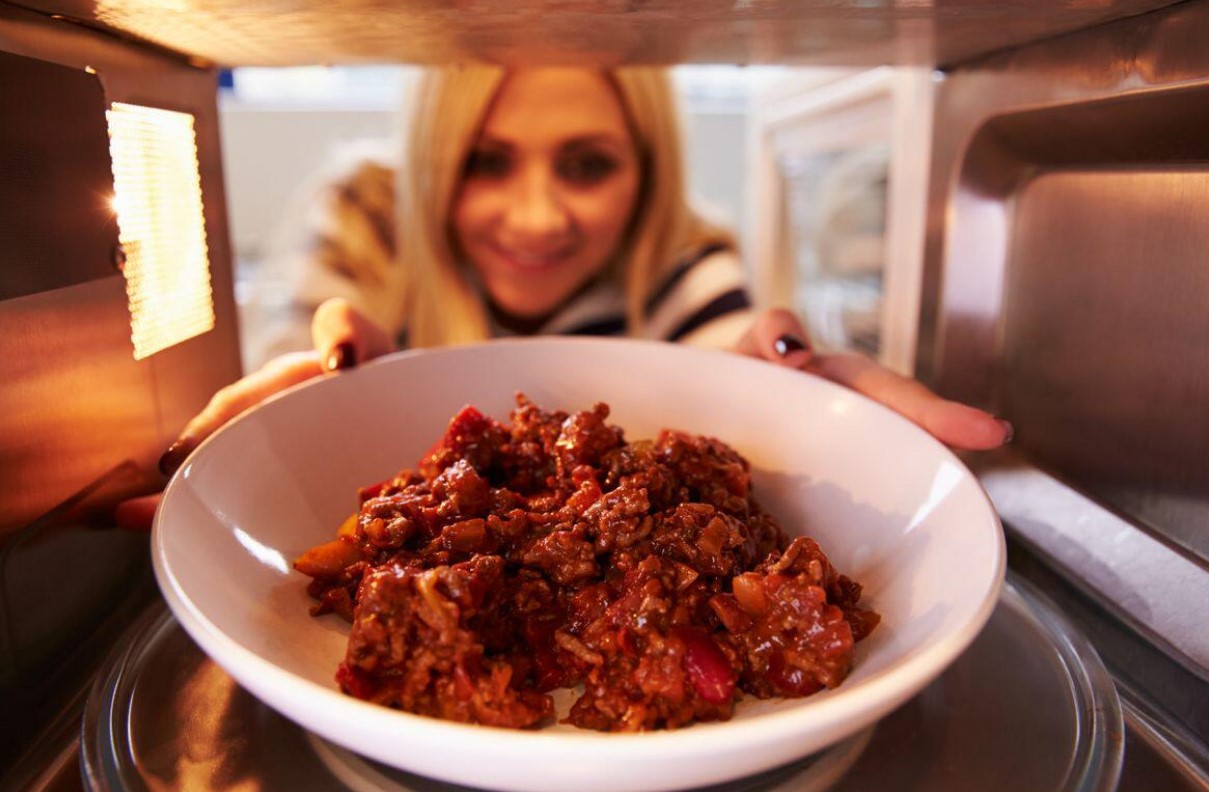
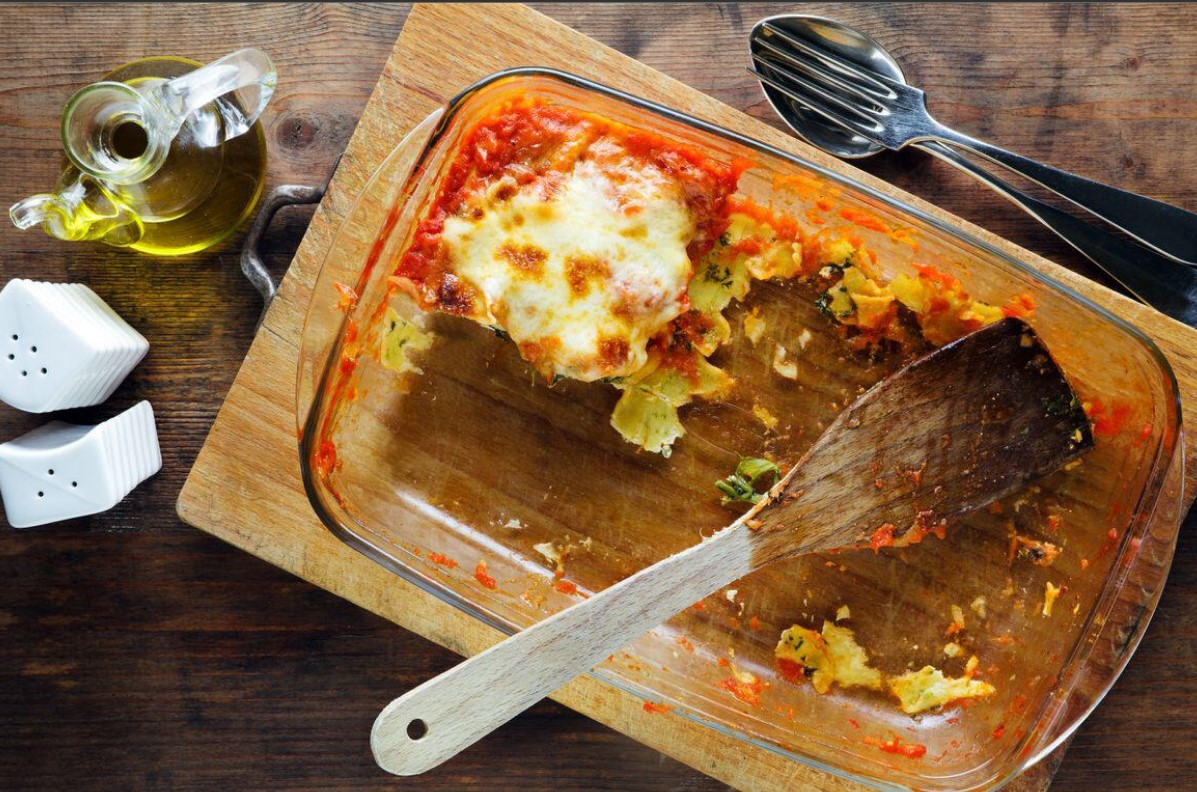
Reheating Food

Warming up food – How to reheat leftovers ?

Cooked too much? No problem. Most dishes can be reheated without problems. However, there are some rules to be observed. You can find out what these are in the following post, where I brought together several information’s, which I found about this topic.

1  Save time and money: You don’t have to throw leftovers from the day before in the garbage, just reheat them again. This is child’s play, especially with a microwave oven. But there are certain rules to follow to avoid gastrointestinal complaints or even food poisoning. Read carefully and take out the tips you didn’t know about.

2  The basic rule is: Don’t leave the cooked food on the kitchen table for too long. At room temperature, bacteria and spores feel exceptionally well. The result: gastrointestinal complaints. Especially in summer, make sure that food is cooled as quickly as possible.

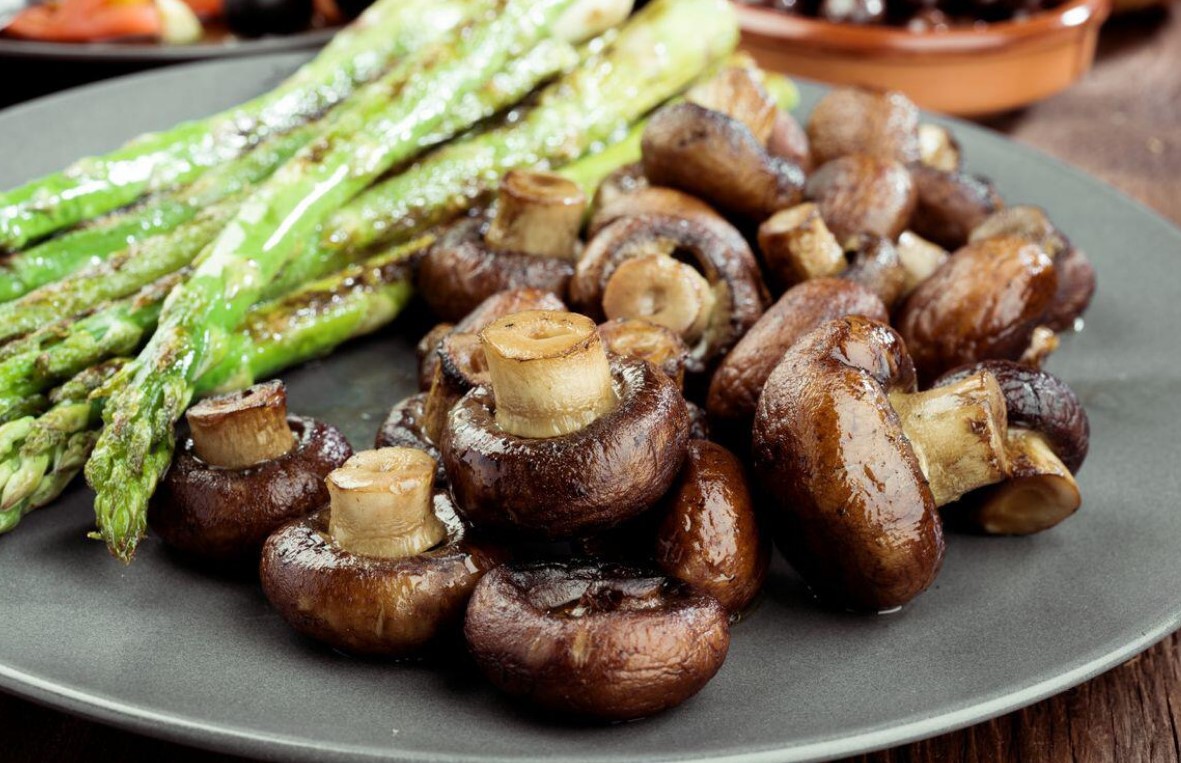
3  Fungi are rich in protein and water – an ideal breeding ground for microorganisms. To avoid the formation of toxins, never store prepared mushrooms at room temperature or keep them warm on the stove for longer, but put them in the refrigerator immediately. There you can store them for up to 24 hours. To kill harmful germs, the mushrooms must then be reheated to at least 70 degrees Celsius, about 150 degree Fahrenheit.

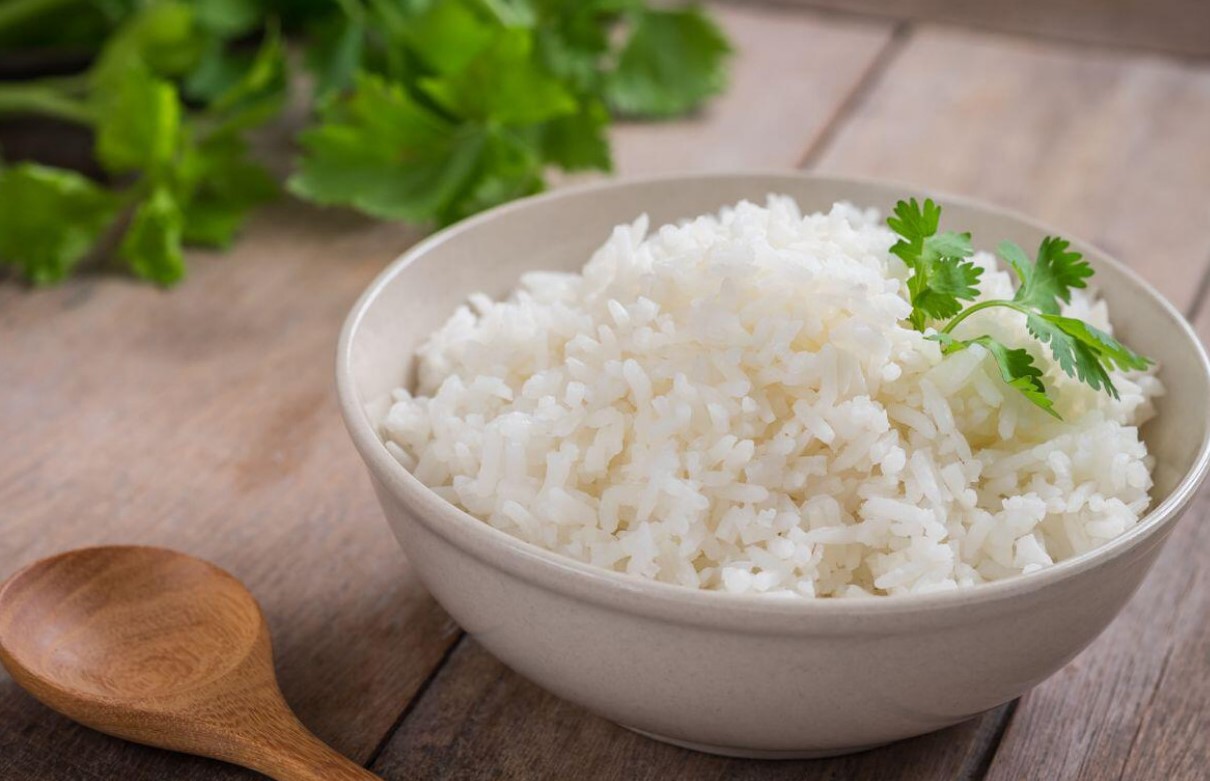
4  Germs multiply particularly quickly on certain foods. Rice, for example, is one of them. Although it does not look spoiled and smells inconspicuous even after hours in the pot, rice must actually be stored in the refrigerator as soon as possible after preparation. When reheating the rice, make sure that it is hot steamed so that germs can be killed.

5  Whether scrambled, fried or boiled, you should not reheat eggs, let alone microwave them. The protein structure in the egg changes when you heat it up – this can cause stomach problems. There is also the risk of salmonella poisoning if the egg dishes are not heated long enough.

6  In most cases, it is said: Spinach should not be warmed up. However, this dietary rule dates from a time when there was no refrigerator. Spinach contains a lot of nitrate. With the help of bacteria, the harmless salts are transformed into harmful nitrite at medium temperatures, i.e. when the pot is left standing at room temperature for a long time.
In fact, it is not the warming up but the slow cooling down that is a problem with spinach dishes. Accelerate it with a cool water bath or put the covered pot on the balcony in winter.

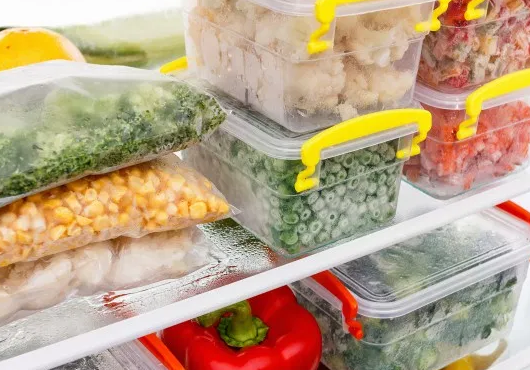
7  Not only spinach has a high nitrate content by nature. Beetroot, celery, chard, radish and radishes are also rich in nitrate and should be put in the fridge quickly after cooking. To shorten the cooling time, it is advisable to distribute larger quantities in small containers. Small portions can cool down faster. We even put them in the freezer immediately and it works well.

8  To kill bacteria, meat must be heated evenly. Since this is difficult to do in the microwave, you should reach for the pan or use the oven. Meat should reach a core temperature of 75 degrees Celsius (150 F) for at least two minutes before you can eat it without hesitation. If meat has not been cooked through completely during preparation, you should not heat it up. It must be cooked new all the way through. Good thermometers show the core temperatures one should reach at minimum. It’s worth to use one.

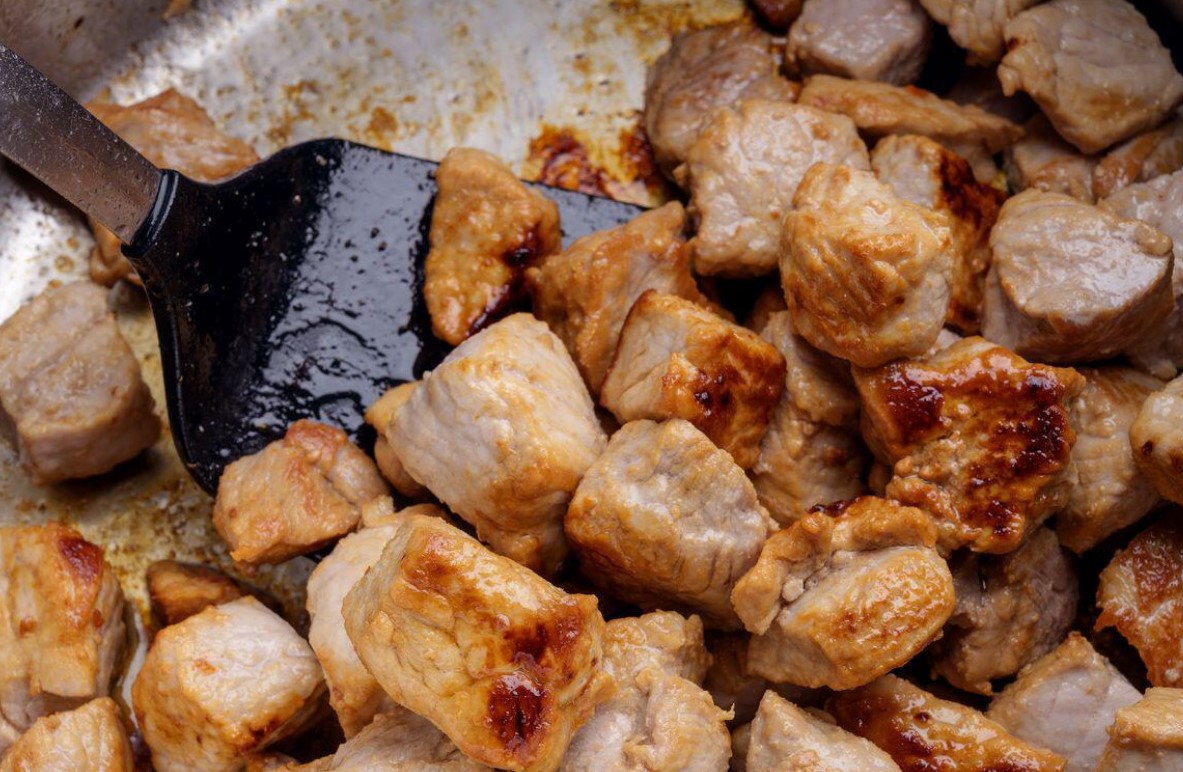
9  This is the safest way to heat meat: Cut the piece you want to heat up into small pieces and fry it at medium heat in a pan with oil or a little water. Alternatively, you can also heat the meat in the oven on a baking tray. To do this, set the oven to about 160 degrees Celsius (325 F). Often if I made a meal like the roast (above), I don’t want to reheat roast and have the same meal again, instead I cut the roast into pieces and make a nice curry or the like.

10  In general, this applies to all bacteria-sensitive foods: Heating on the stove is the safest method. We never reheat a large piece of meat, we always cut it down into slices or pieces. A good method is also to reheat in sauces, or make a new sauce and then reheat in it. In the microwave, a health risk cannot be completely ruled out. Often the inside of the food is not heated sufficiently there, even if it steams on the outside.

11  Vitamins are quite sensitive to oxygen and heat. This means that the longer you keep a vegetable casserole, the more valuable vitamins are lost. Every time you heat them up, you destroy valuable vitamins and nutrients. Keeping vegetables warm in the pot for a long time can also have a negative effect on the vitamin and nutrient content. That is one of the biggest problems hotels and restaurants have with their prepared buffets.

12  Yesterday soup, today thick sauce: Liquid food thickens slightly in the refrigerator. If you prefer the consistency of the day before, you can add some water (I often use red or white wine and fried onions), stock or cream to sauces, soups and stews when they are warmed up.

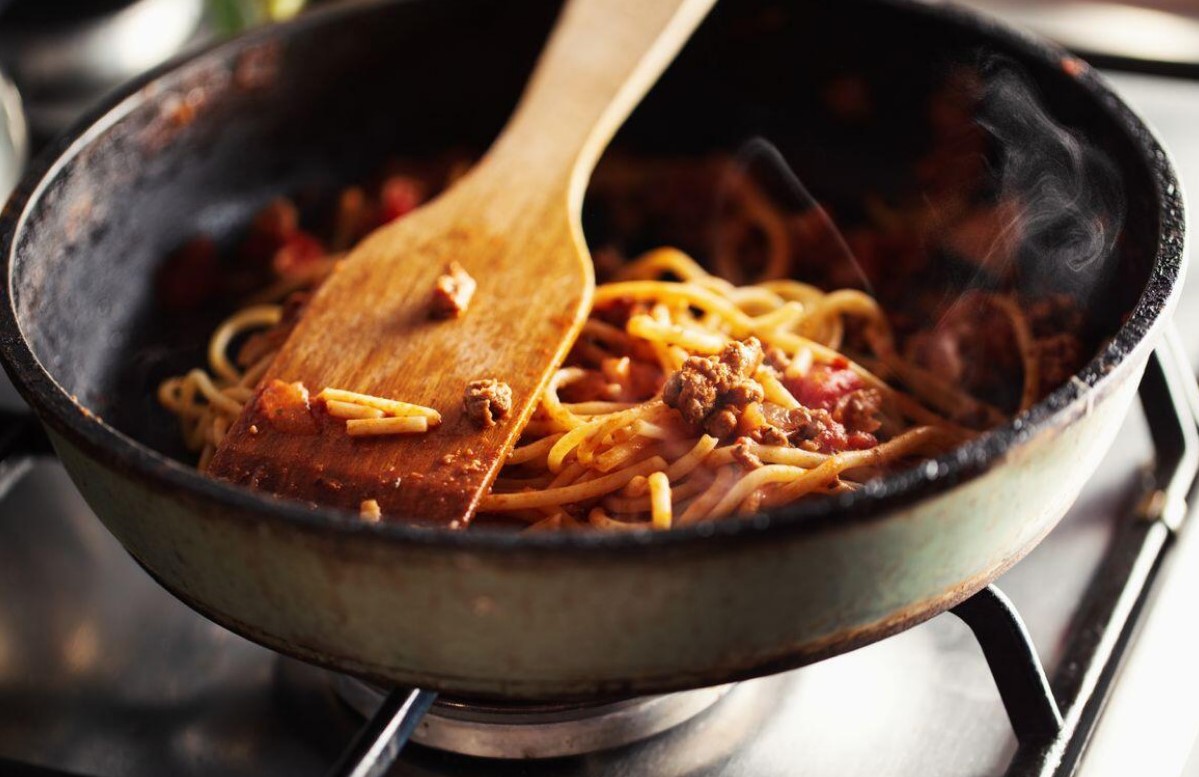
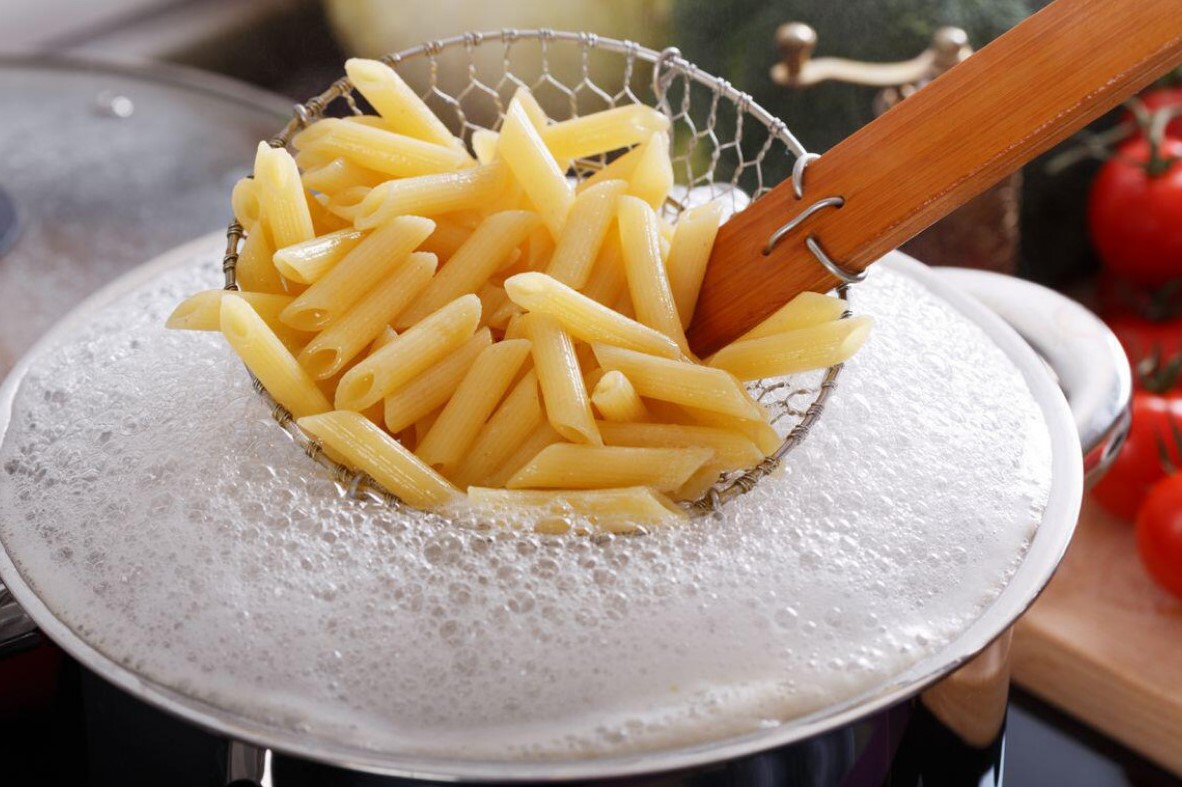
13  Pasta without sauce is best warmed up in boiling water. Remove the noodles after about 30 seconds. Just dip them in and out till they are hot again.

14  Don’t heat up chips in the microwave, they only soften. Instead, fry them in a pan with oil until they are lightly browned and crispy. Then dab them with kitchen paper. Alternatively, place the chips in the oven on a baking tray lined with baking paper for about five minutes at 230 degrees Celsius (475 F). Make sure they are evenly distributed, otherwise they will become mushy and stick together. Same method I use to reheat Pizza’s.

15  The wrong method of reheating not only affects your health, but also damages the consistency and taste of some foods. It is always best to add a little seasoning, or as I mentioned before – wine, when you reheat cooled food, as the taste always suffers as well.

There’s nothing like eating a freshly cooked meal.

That’s why we go out to restaurants (oh, and cook on occasion), right? But meal prep is a different story. You have to pack up the goods and stash them in your fridge or freezer until you’re ready to chow down. And sometimes heating up meal-prepped food is a massive fail. There’s nothing worse than dried-out meat or soggy greens. Living for many years in tropical country’s taught us to use the freezer much more then people use it in the northern hemisphere. It is possible to freeze almost everything and then reheat.

Now let us break down how to reheat the most common meal-prepped foods so you don’t end up with a total disaster come lunch- or dinnertime. Here are simple ways to use the microwave, oven, and stove-top to breathe life back into a pre-made meal. Even if we had the same tip already above, its worth to read it over again.

1. Red meat and chicken.

Your hard work cooking up red meat and chicken for your meal preps shouldn’t result in a rubbery, dried out-lunch or dinner. Here’s how to heat them up correctly.

Microwave.

Before sticking your meal in the nuker, pour a little bit of water on the meat to retain moisture or keep the dish covered with a microwave-safe lid while you zap it. You can reheat meat for up to two minutes in the microwave before it becomes a sad waste of food. I, personally don’t like the microwave and those methods. One famous hotel chef told me once: „The one who uses microwaves can’t cook“. O.K. it might be right or wrong, but I am on the same side !!

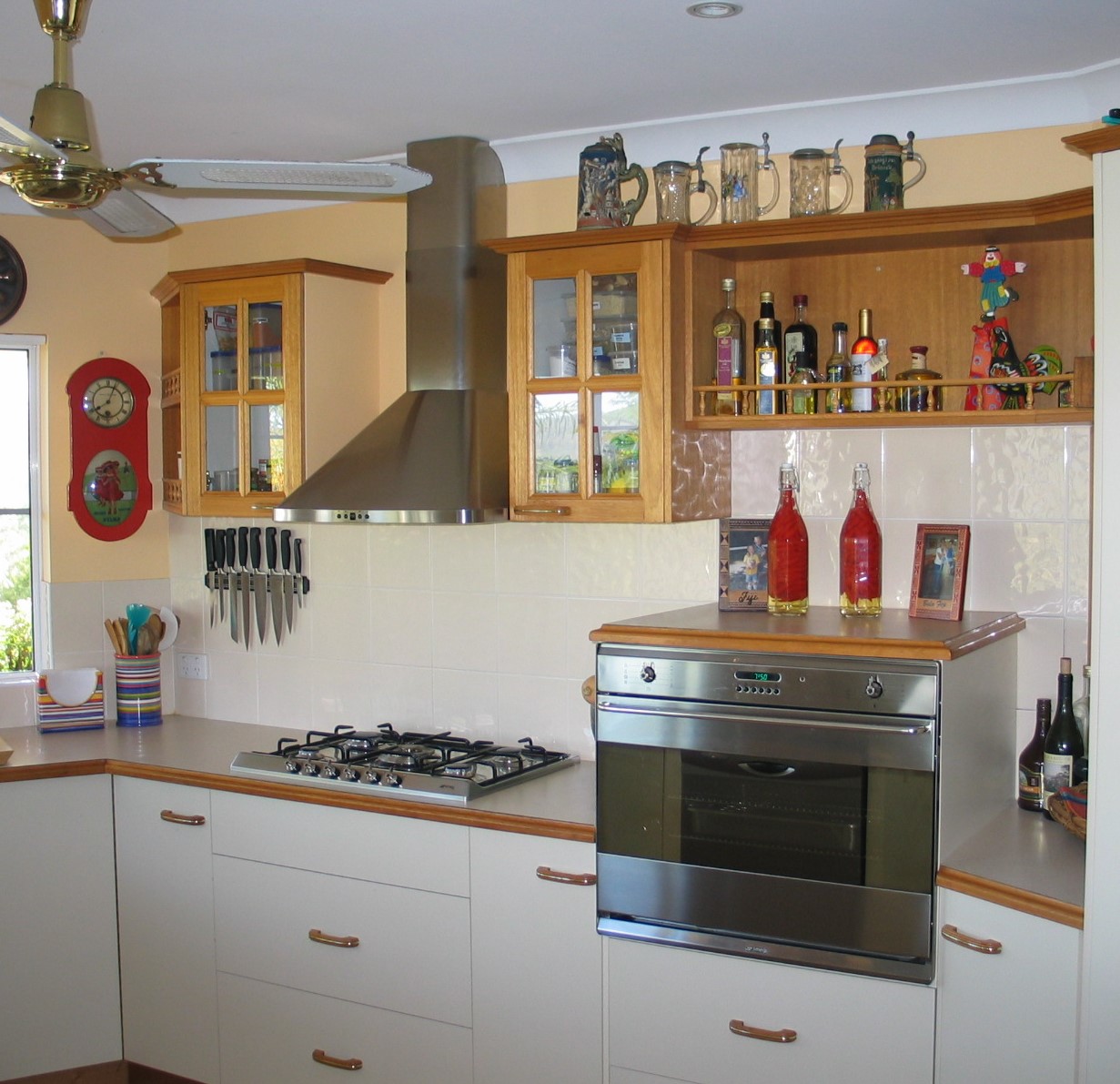
If I don’t like the microwave it doesn’t mean it’s not working. Once in Australia we bought a house with a fine and modern kitchen. But there was no oven or cook-top installed. Just a microwave and a hot-plate. The owner was a specialist in microwaving – incredible what he could do with it – I admired him very much for that. But anyway, first thing we did, adding a professional SMEG oven combination.

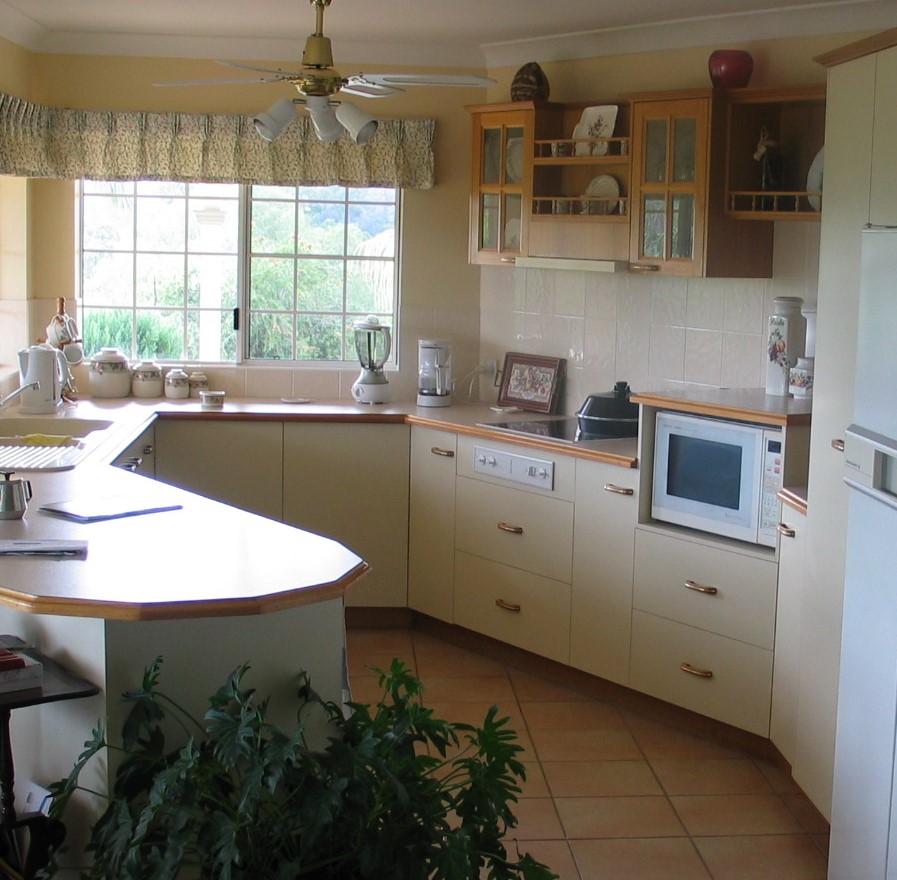
    Before and after the kitchen modernization. And – the decoration changed too. Click on pics.

Oven.

If you have access to an oven, the microwave should be your last resort. Generally, meat is best when reheated in the same place it was cooked. So if you roasted chicken and put it in the fridge after, the best place to heat it back up would be the oven.

Don’t turn your oven on full blast, though. Instead, reheat food on a lower heat around 100 to 120 degree Celsius (200-250 F) and add a dash of oil or butter to keep the meat moist. This method normally takes 10-15 minutes. FYI: It takes the longest since you have to wait for the oven to preheat, but I think it’s worth it. Also, putting a bowl with water into the oven helps.

Stovetop.

You can definitely reheat meat, chicken, or almost anything in a pan on the stove. The key is to keep heat low to avoid overcooking. Before placing meat in the pan, add a bit of oil or your choice of butter. For more moisture, cover the pan while the meat reheats.

This method normally takes around five minutes. Flip the meat over halfway through to make sure it heats evenly. If the meat pieces are to thick, just cut them into slices.

2. Fish.

Reheating fish is similar to meat, but you have to pay closer attention to the thickness. Fish that’s more than one-inch thick, such as salmon and tuna, will retain its texture and flavor better than thinner cuts like trout.

Microwave.

The microwave is good for reheating fish if it’s unbreaded. Make sure to sprinkle a little bit of water (I often use lemon infused water) or oil on the fish before sticking it in the nuker in a microwave-safe dish. Even better if you have a lid for it.

The best way to do this is in bursts of gradually increasing heat. Kind of annoying, but it works. Start by reheating it on low power for 20 seconds, then take it out, put it back in, and repeat for a minute. Then increase the power to medium, put it in for 20 seconds, take it out, put it back, and repeat for another minute. Yes, it’s a lot of work, but at least you can enjoy the effort you put into making it during your meal prep. Obviously, be sensitive when microwaving or reheating fish.

Oven.

Preheat oven to 150 Celsius (about 300 F). Place fish on a baking sheet, wrap it in foil, and cook for about 10 minutes. To check if it’s done, stick a fork in the center and hold it there for five seconds, then touch the fork to your tongue. If the fork is cold, it needs more time (but you already knew that, right ?).

Stovetop.

If you’re using a pan on the stove, place a little bit of oil in it over medium to low heat. Cover the fish with a lid if you have one, and check every few minutes or so to see if it’s done. Fish overcooks and dry’s out very quick.

3. Baked, fried, or roasted food.

Have you ever popped a slice of leftover pizza in the microwave? I know I have, and every time I immediately regret that decision. That’s because anything baked, fried, or roasted gets soggy from the moisture when reheated in the microwave without the proper technique.

Microwave.

The microwave should be your last resort. But if you have to use it, put a half-filled cup of water next to the food you’re microwaving to soak up extra moisture. I know it sounds weird, but in a pinch it totally works. Only use a microwave-safe glass for the water.

While there is a very long, scientific explanation behind why food gets soggy in the microwave and not in the oven, all you need to know is that the microwave often has a mixture of cold air with heat pumped into it, creating vapor in the microwave and causing your food to get gross.

Oven.

For anything roasted, especially veggies, letting them broil for a few minutes is the best way to reheat them and retain their delicious flavor and texture. The broiler (at the top of your oven) is kind of like a grill. Most ovens have a broil setting, and it’s usually the highest heat.

To broil, lay your meal-prepped food on a baking sheet and stick it under a preheated broiler for one to three minutes on each side. No need to add oil. Doing it this way will make your veggies (or any other crispy food) even crispier. Just don’t forget about them in your oven!

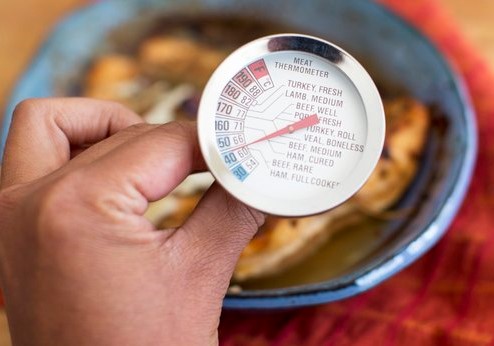
  That’s a thermometer I use for cooking. To reheat stay about to the same temperature.

If you have access to a toaster oven, lucky you. This is actually the best way to reheat anything in this category. Plus, it’s way more convenient than a normal oven. Five to 10 minutes at 180 Celsius (350 F) should do the trick. If your meal has cheese on, sprinkle a little bit of fresh cheese to make it taste like you cooked it that day.

Stovetop.

The stovetop is another good option, as long as you don’t overdo it. Overheating on the stove will cause breaded exteriors to taste bitter. The best way is to heat oil that has a high smoke point, like peanut oil, and place the breaded food in the pan with plenty of space. If, for example, two pieces of breaded chicken touch in the pan, things will start to get moist, causing sogginess. We don’t want soggy breaded food! Flip the food over so it gets reheated evenly. This should take about three minutes on each side.

4. Sautéed , stir-fried, and steamed.

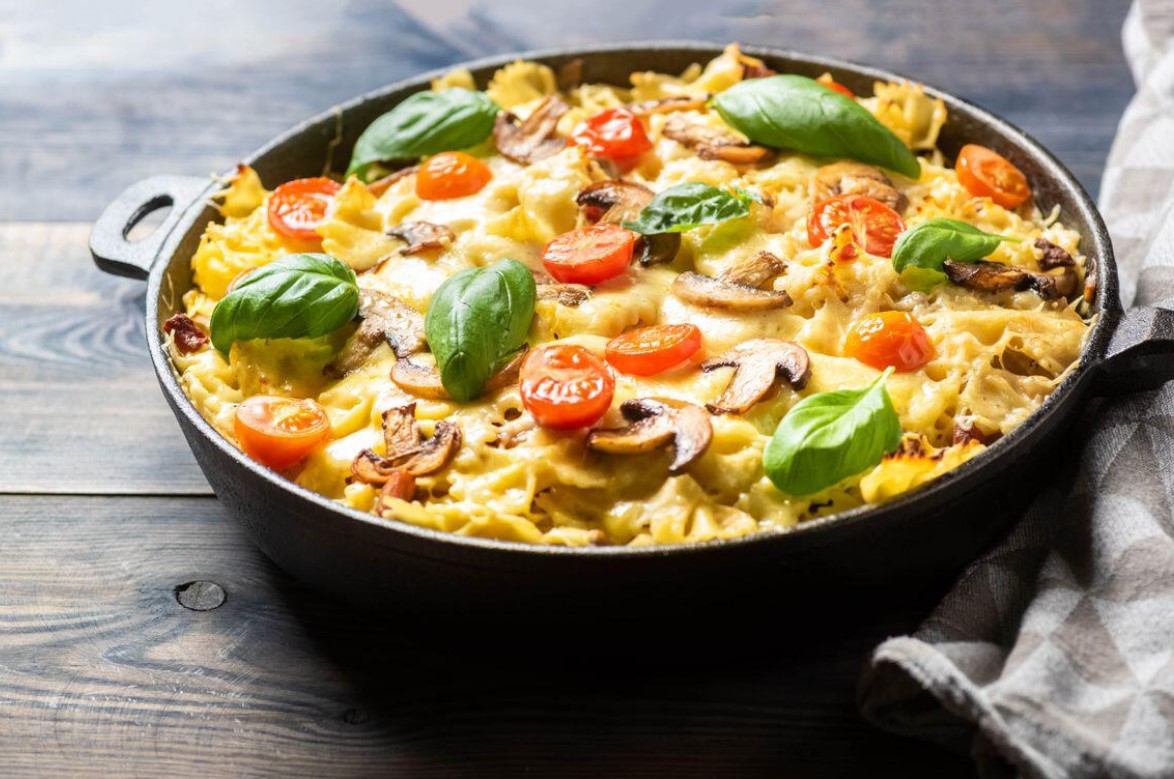
One-pan and one-pot meals are super easy to make. Luckily, they’re simple to reheat too. Casseroles are also included in this category (even though they’re baked). Except meals out of your slow-cooker, there it is best to reheat in another pot or pan on your stovetop.

Microwave.

Reheating food in the microwave is both a science and an art. The best practice is to spread the food out in an even layer and cover it with a damp (not dry) paper towel. You can also sprinkle a tiny bit of water over the dish before popping it in. This creates steam during the reheating process so the food doesn’t dry out. It’s also good to stir occasionally so it reheats evenly.

Keep in mind that if you’re heating different types of food together, you might want to microwave certain foods for different lengths of time. For example, a piece of chicken or fish takes longer to reheat than vegetables, so you might want to add in the veggies last to keep them from overcooking. If you’re too lazy to do that, stir a bit in the middle of microwaving.

Oven.

The oven isn’t optimal for a stir-fry or anything sautéed or steamed, but you can definitely reheat casseroles. Same with the types of food above, keep the heat low, around 100-150 C (200-250 F). Cover with foil or an oven-safe lid until the last few minutes to help keep the dish moist and fresh. Reheating veggies in the oven doesn’t take as long as meat, so check after 10 minutes to see if they’re done.

Stovetop.

The stove is another great option for reheating a stir-fry dish or any sautéed veggies. Add an oil and reheat the food on low to medium heat to avoid overcooking. You’ll definitely want to stir frequently for even heating.

5. Frozen Foods.

The best and safest way to reheat frozen meal-prep foods is to take them out of the freezer and place them in the fridge overnight to thaw before taking them to work or eating them the next day.

Why is that the safest? The refrigerator thaws food slowly and evenly. Plus, your food won’t thaw completely in the fridge—and it shouldn’t do so on your commute either. If you left your frozen food out on the counter, it would eventually get to room temperature and become a breeding ground for harmful bacteria.

That’s why it’s also important to refrigerate or freeze food within two hours of cooking it, and not let it hang out on your counter. When you reheat food, you want it to be over 160 degrees Celsius (about 325 F), or at least hot to the touch, to ensure that more bacteria can’t spread.

After your meal-prep food is thawed, reheat it according to instructions above for the type of meal you’re eating. You can also reheat frozen food by putting it in a bowl of hot water for 5-10 minutes (while it’s still in the package or container).

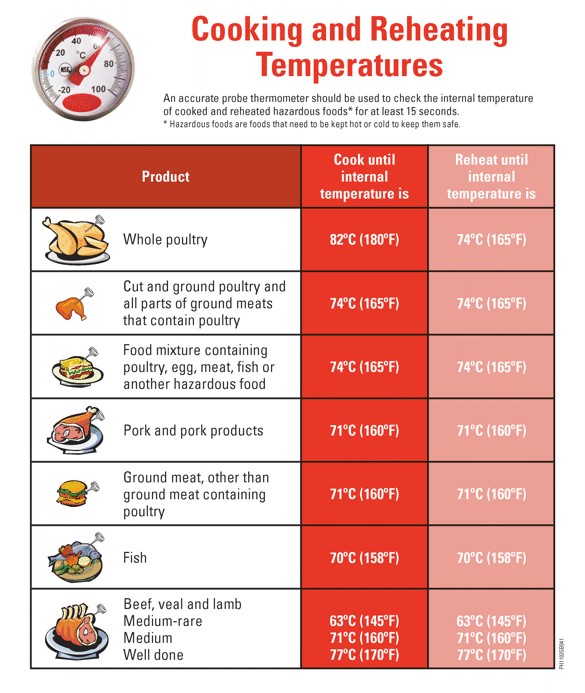
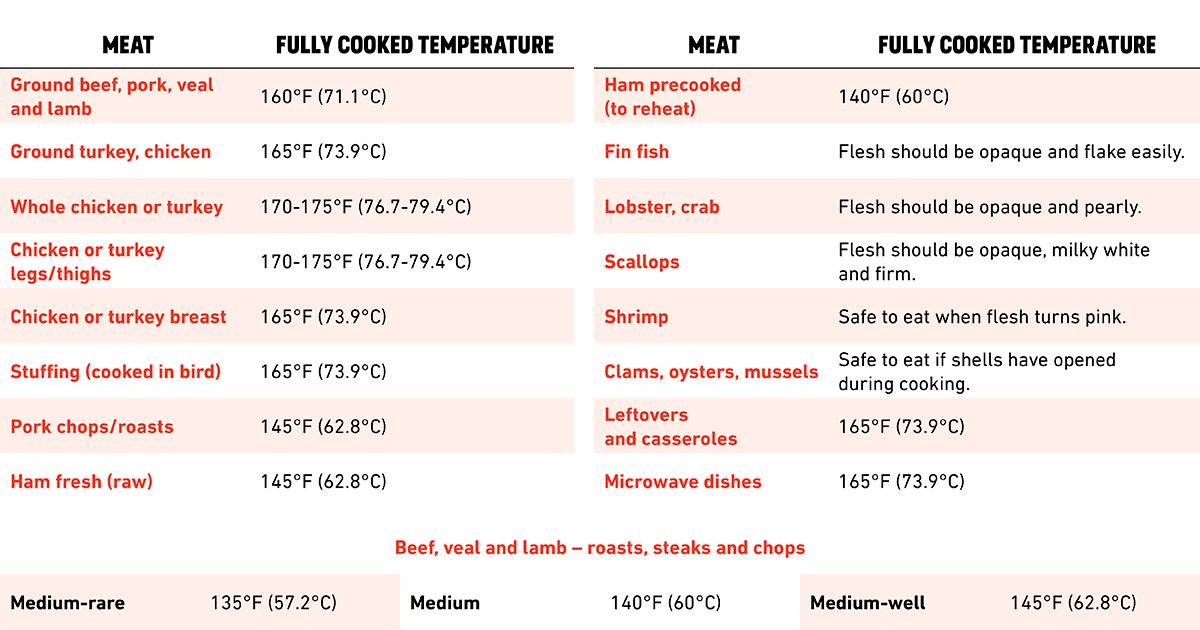
Some temperature suggestions to cook and reheat.

Final tip.

In a crunch, you can always eat cooked food cold, even if it isn’t ideal!
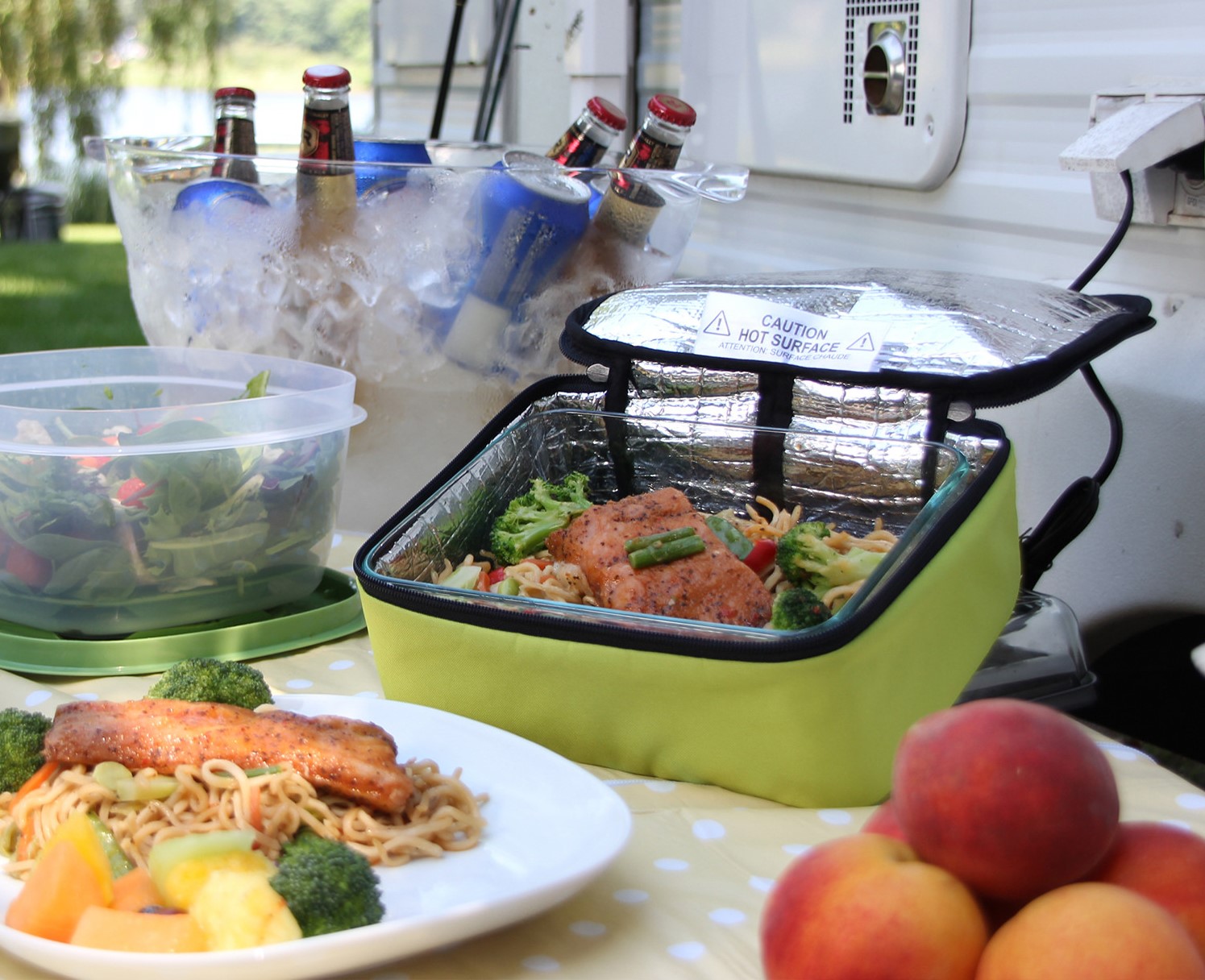
You can also invest in a portable reheating oven like the Hot Logic Mini, one of the best out there in the market.  Price is now around US$39,90 for the 110V 0r 220V and US$59,90 for the 12V one – which I like very much ! Now enjoy reheating your food !

Veröffentlicht unter Information, Lifestyle | Verschlagwortet mit , | 1 Kommentar

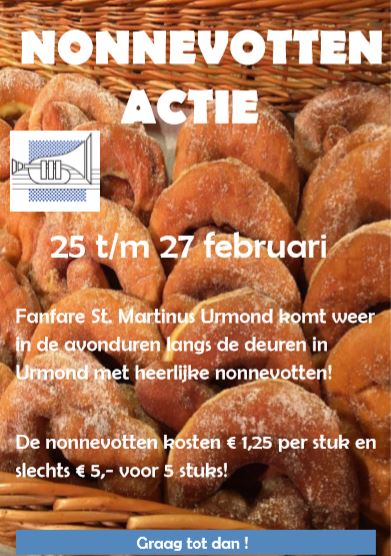
Nonnevotte

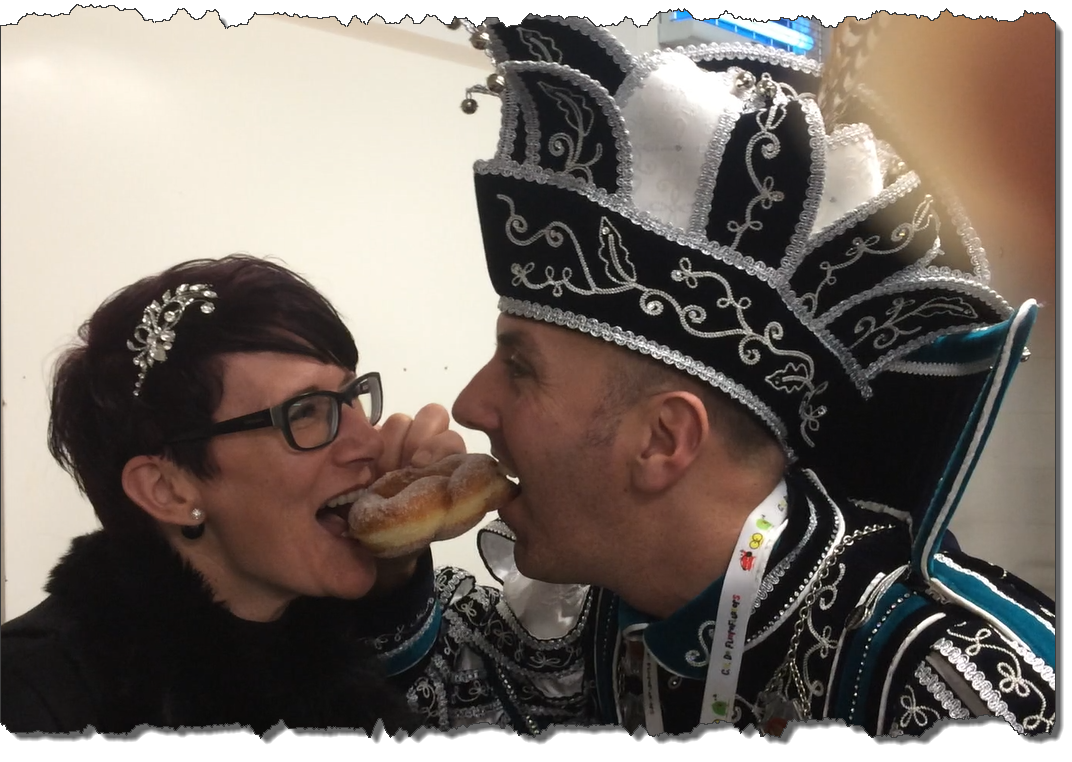
It is Carnival Weekend today, until Ash Wednesday. This weekend is Carnival celebrated allover the world. This year, because of the Corona pandemic it is hardly restricted everywhere.

But let’s not hang down our heads, let’s bake a carnival special. This is an almost forgotten sweet dish from my wife’s homeland, Limburg in the Netherlands. She grew up with it and always remembers it. With this post I like to warm up her memory and motivate her to bake this specialty for us.

Don’t mix up this specialty „Nonnevotte“ with other, also very tasty, Dutch snacks like Oliebollen, Frikandellen, Bitterballen and others. Nonnevotte are totally different !!
Here my story about:   The Limburg’s Nonnevotte – Enjoy !

Usually five days before and after the weekend of February 11th, in a myriad of activities. The party starts on Thursday and ends the morning of Ash Wednesday. In the province of Limburg especially, carnival is a colorful revelry of non-stop music, dancing, laughter and drinking, five days long. If you want to see what Limburg’s carnival is all about, check out the excellent documentary „Nao Ut Zuuje“, about carnival in the city of Venlo.

As you can imagine, all that physical energy has to be fed and maintained somehow – and in the southeastern part of the province, it’s the deep fried Nonnevotte that provide that much needed fuel. The combination of grease, sugar, carbs and warmth provide enough energy to keep going, especially when it’s cold outside. And with carnival being so early this year, it’s bound to be a chilly one ! It’s freezing cold out there now !

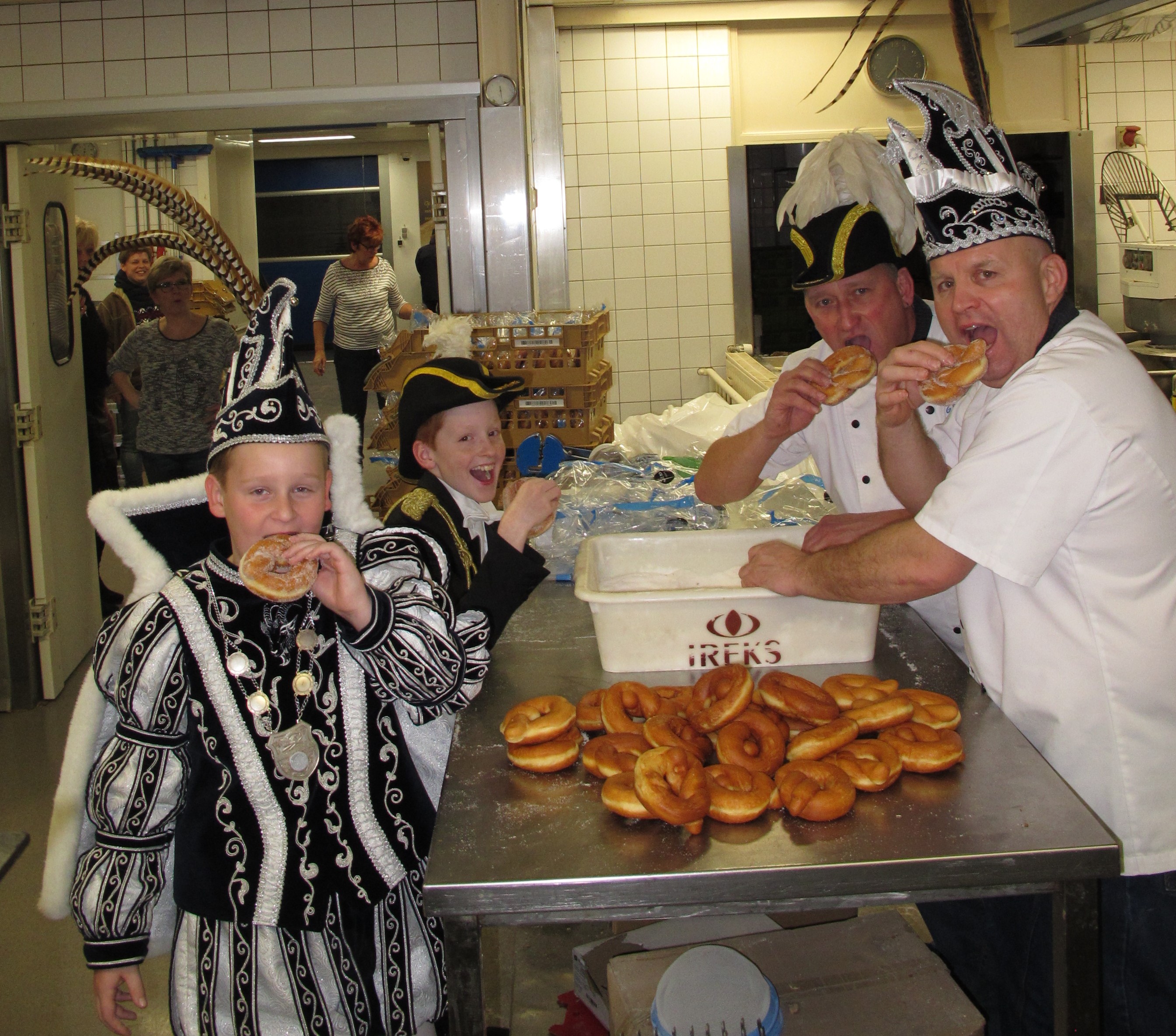
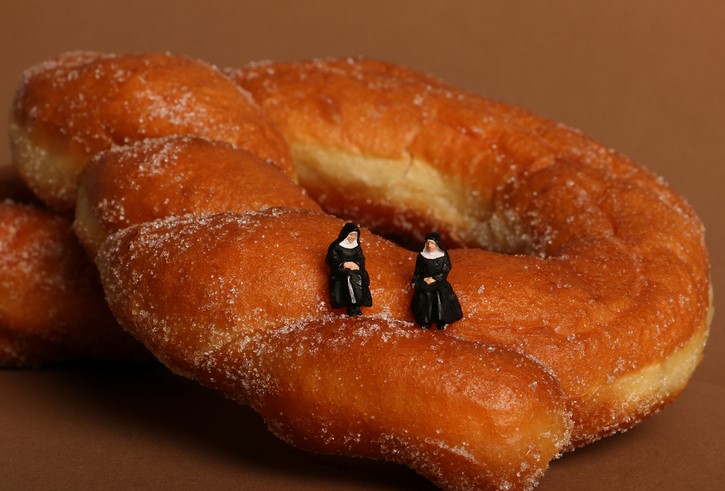
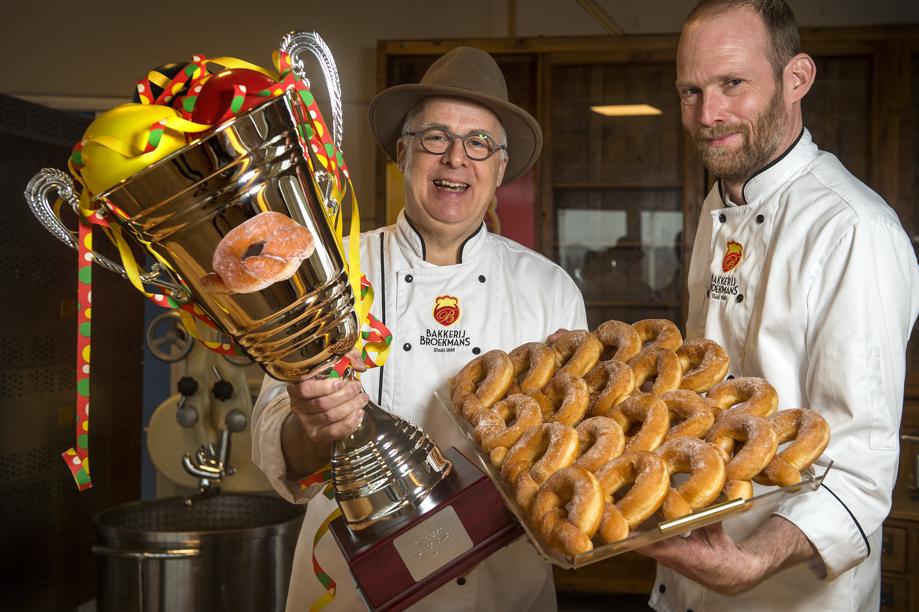
It is a pastry originally from the Dutch town of Sittard, province of Limburg. It dates back to sometime in the 1600’s. Nuns were very present in those days and the Franciscan Sisters had a convent in Sittard. So they are the ones who introduced the pastry to people. They gave the pastry to people who brought in old clothes etc. and the proceeds then went to the poor people. A pastry for a good cause.

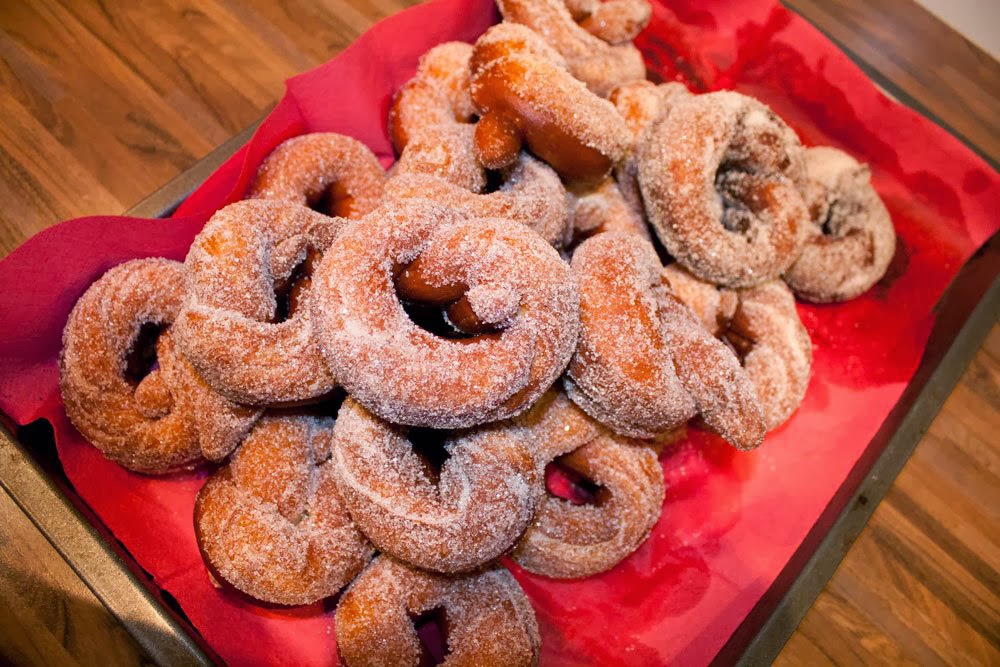
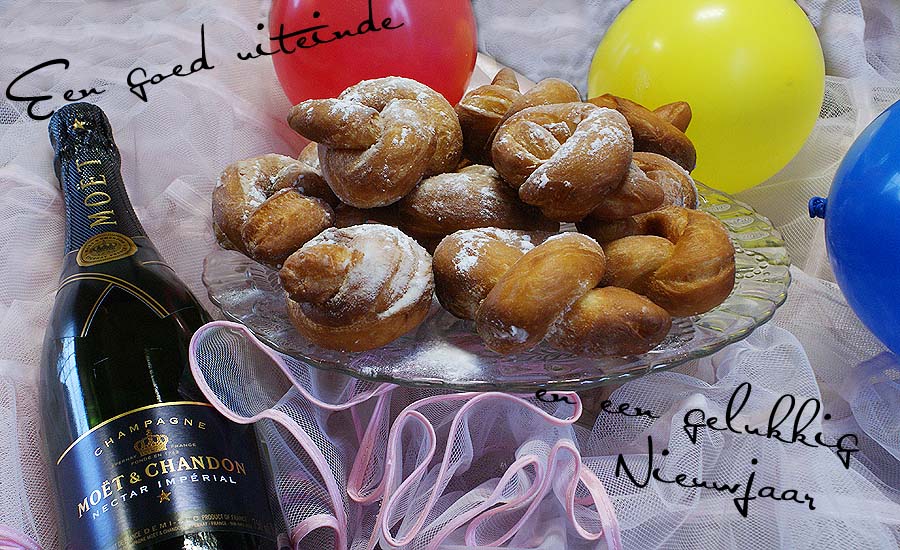
The nuns baked the Nonnevotte in oil and to protect their clothes they wore an apron that was tied nicely at the back of their butt. The roundness of the ass and the bow corresponded to the cake, round with a bow and so the pastries were popularly called Nonnevotte. Nonnevotte are traditionally eaten with carnival and New Year’s Eve but you can get them all year round nowadays in Limburg.

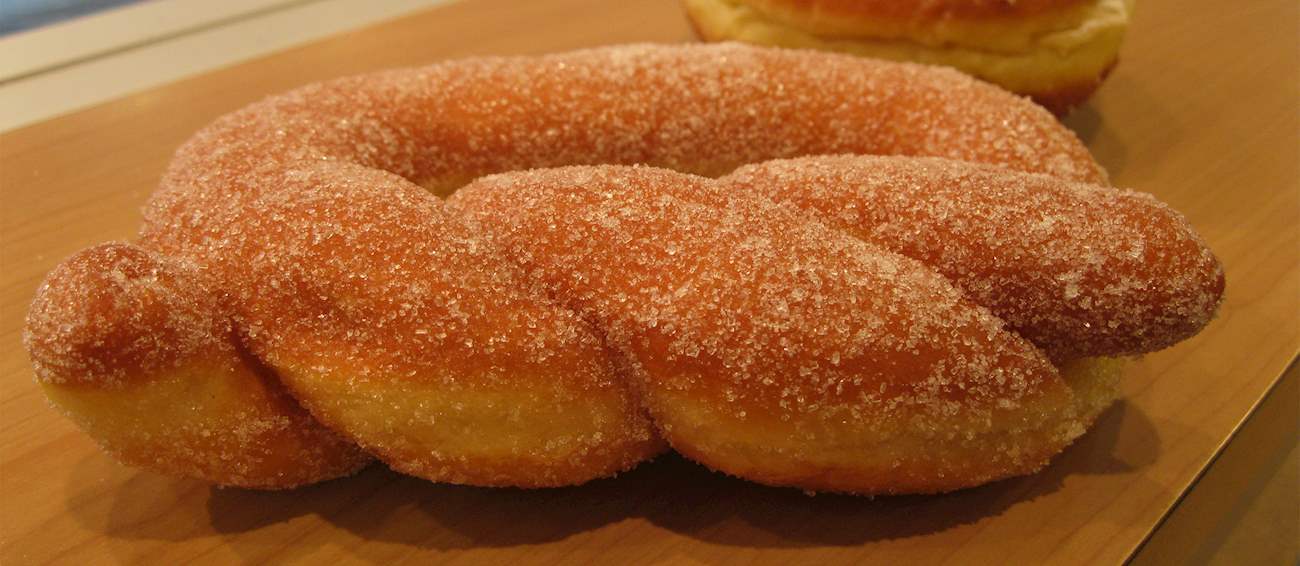
Nonnevotte, for many a strange name and perhaps you do not even know the pastry. Therefore a word of explanation. Nonnevot is dialect for ass ( vot ) of a nun. They are sometimes called bows or poeffele but when you say Nonnevot, everyone knows what you are talking about.

  Already in the old cookbook from Gent 1877, you can find the Nonnevot recipe, baked with „Maizena-Flour“.

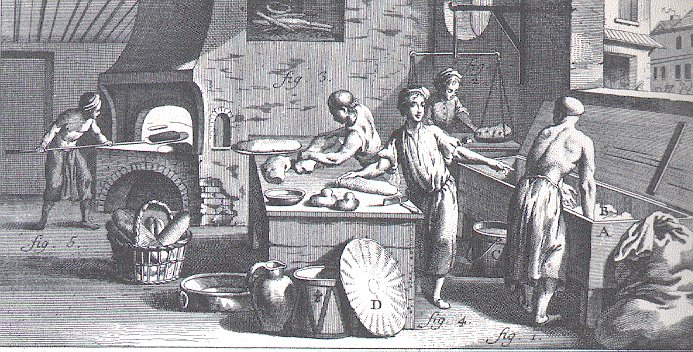
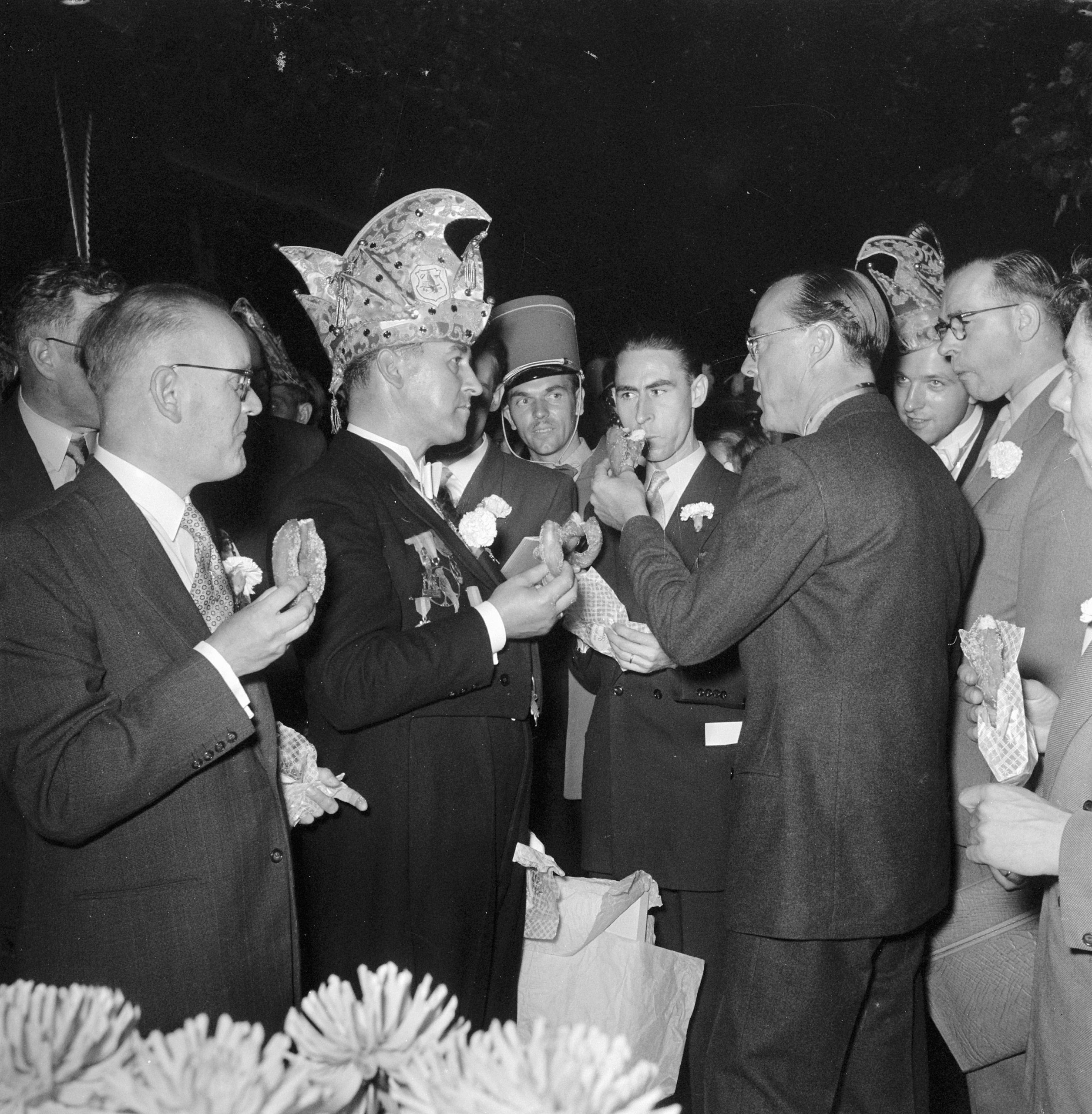
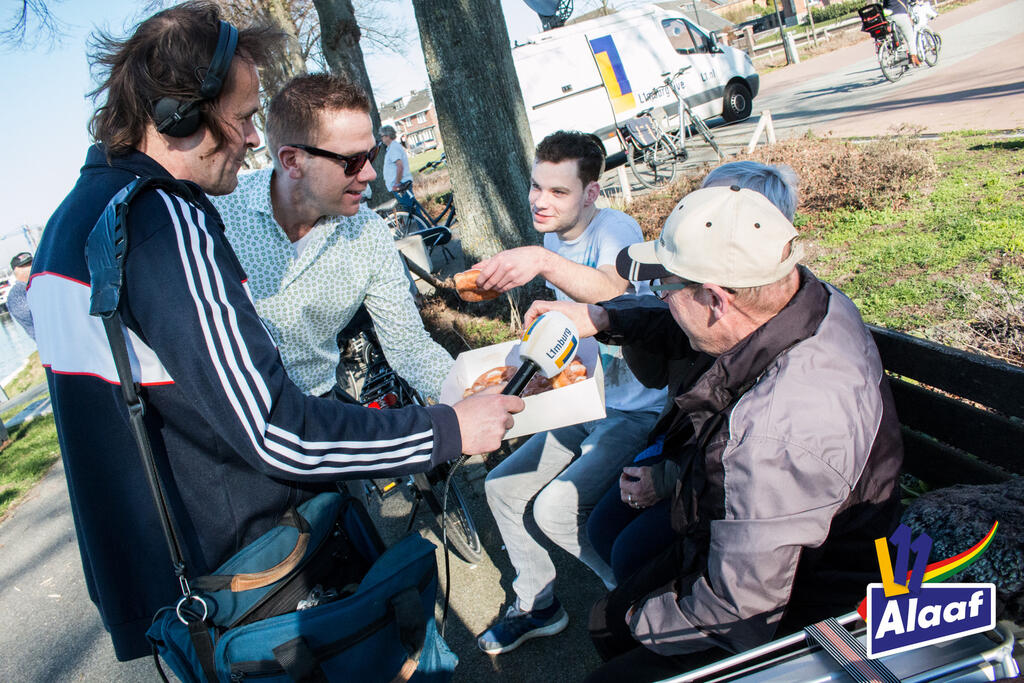
In the old days, these knots were great for using up the last of the perishable ingredients before Lent kicked in, but they proved to be so popular that they can be found in bakeries year round. Nonnevotte are best eaten warm and fresh straight from the baker’s store. In Limburg, everyone, politicians, the government, also the Royal Family like Nonnevotte !

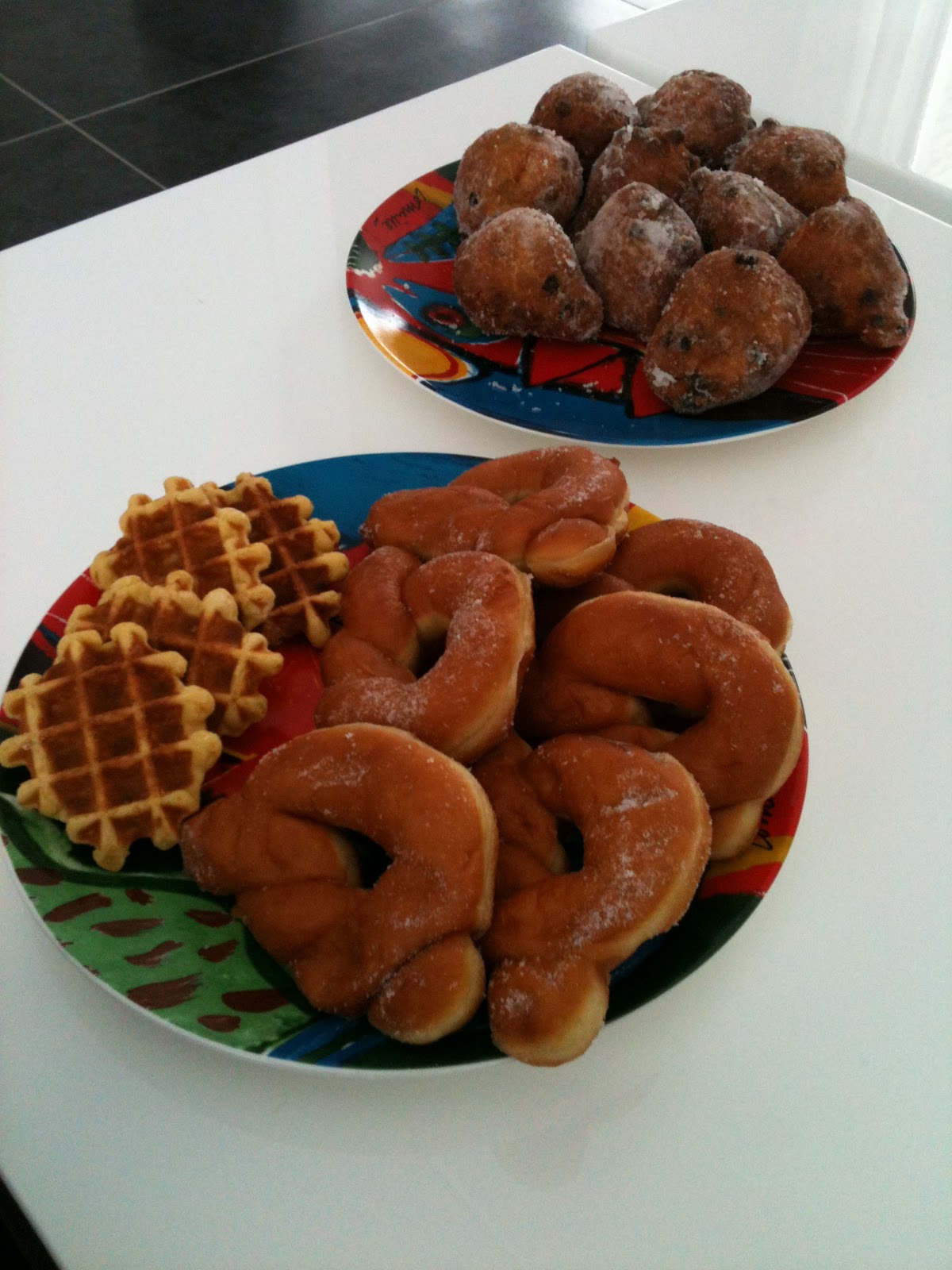
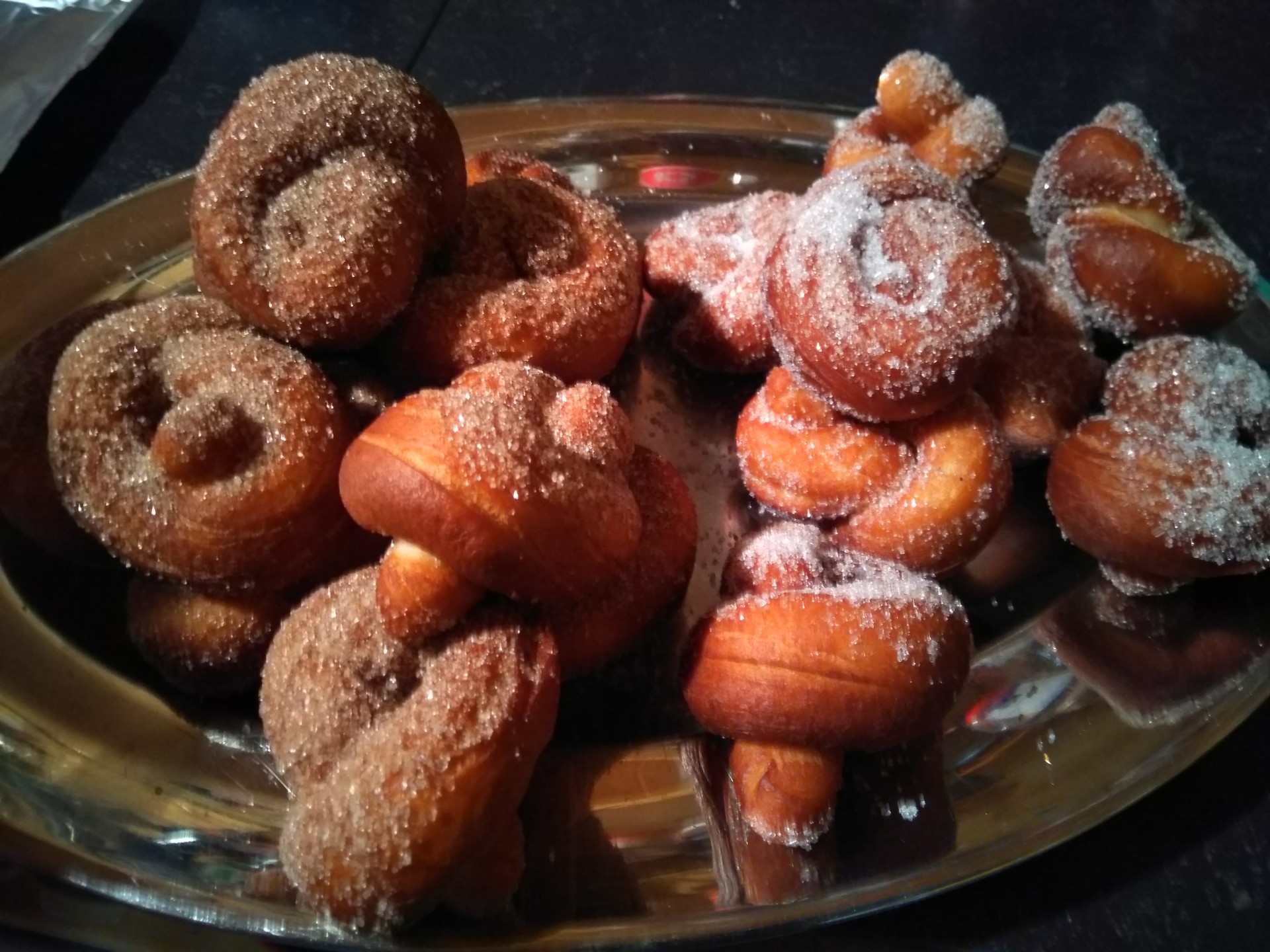
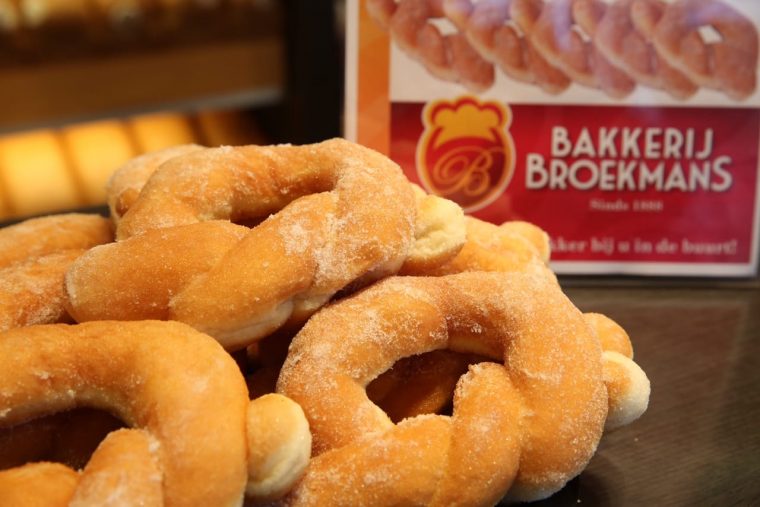
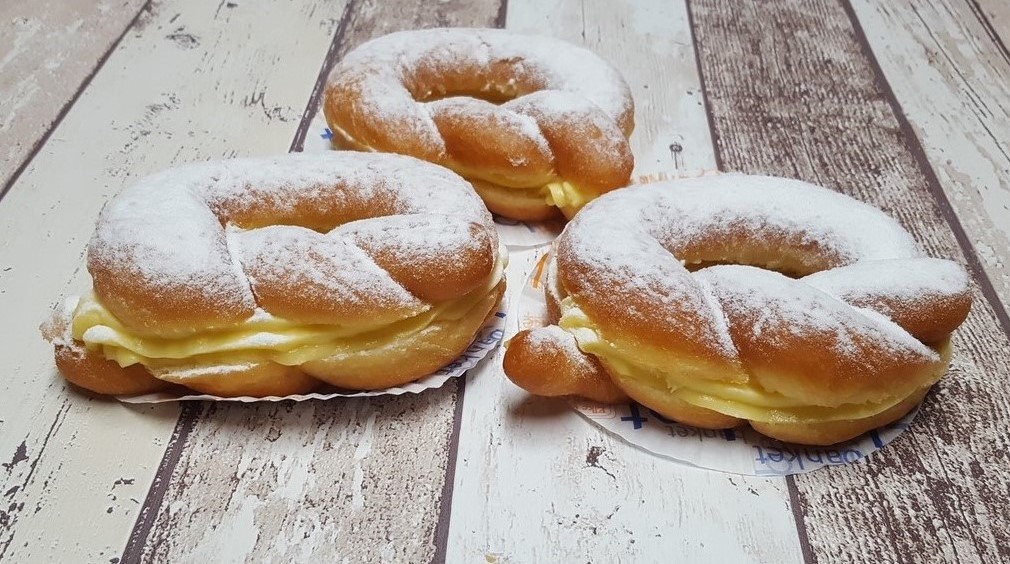
A Nonnevot is a pastry that is baked in sunflower oil and after baking is immediately rolled in sugar before being served. No, it is not an Oliebol, those are also delicious but not comparable to a Nonnevot. Nonnevotte are much airier and fluffy, while an Oliebol is slightly firmer. They are also very different in taste.

Above in this picture are Oliebolle, below are left Waffels and right Nonnevotte.

So, although we don’t dress up anymore, we are not dancing any polonaises anytime soon, or even engage in loud song singing while dressed in a colorful costume and on, but we can honor this traditional festivity by frying Nonnevotte. Just because we are not a part of the carnival festivities back home, here in Uruguay, doesn’t mean we have to forget all pleasures. Time to whip up a batch of dough and fry up some sugary, doughy goodies!

Nonnevotte Recipe.

Ingredients.

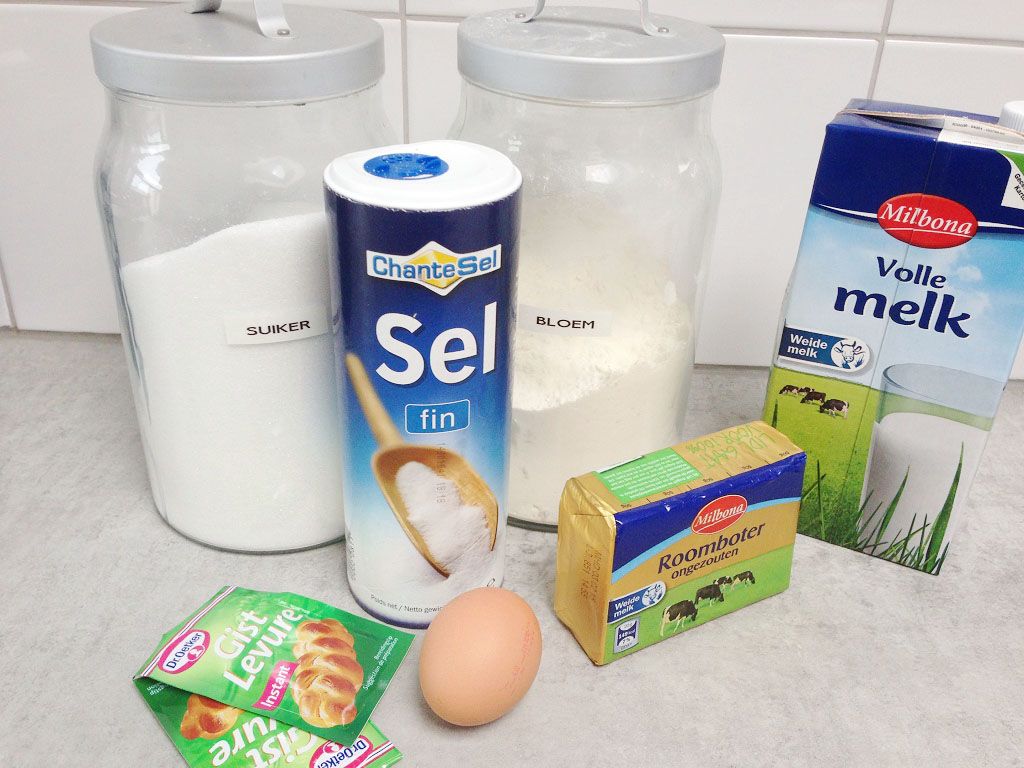
1 kg flour
100 grams fresh yeast or 50 grams dry yeast
200 grams real soft butter
3.5 dl lukewarm milk
100 grams of sugar
2 eggs
5 grams of salt
about 1/2 kg of granulated sugar to roll in the „vot’s“.

Deep fryer or frying pan for stove top.
Best is sunflower oil – never use frying fat !!!
As better your ingredients are, as better the“votten“ taste.


How to do.

Mix the yeast with the milk and set aside.

Put the flour, butter, sugar, salt and eggs in the Kitchen-aid and let the machine run for a while on a low setting. Now add the milk with the yeast in a stream and let the machine knead until you have obtained a supple but firm dough.

Let the dough rise for about an hour in a large bowl, cover with plastic wrap or a damp clean towel.  Let the dough rise in a warm draft-free place or  put it in the oven at 35°C. You will see that the dough will rise tremendously.

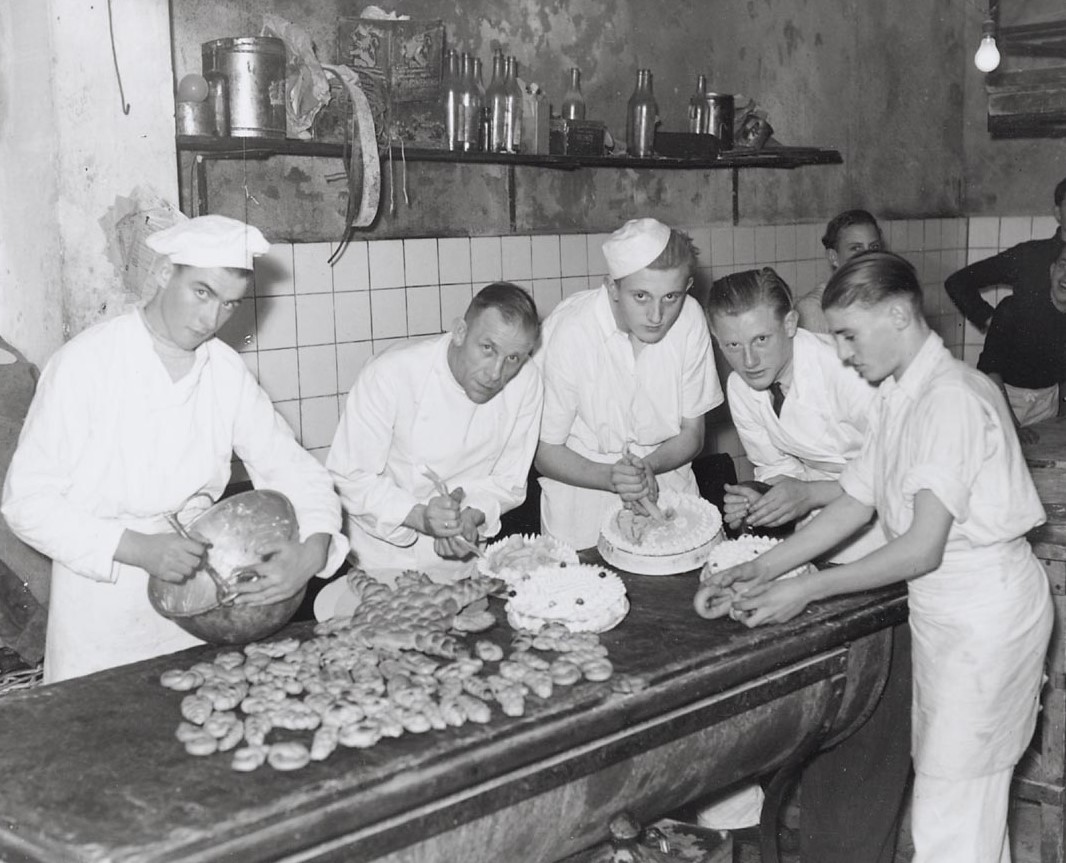
Limburg’s bakeries are baking Nonnevotte for many centuries.

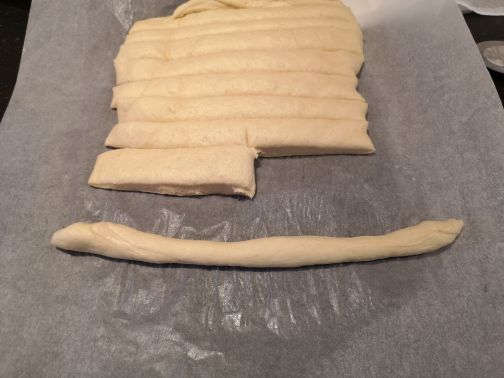
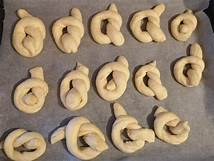
After an hour of rising, take the dough and weigh out balls of 50 grams each. Roll each ball out into an oblong roll and tie one end under the other so you get a bow. Place the Nonnevotte on baking sheets that you grease with sunflower oil. This prevents them from sticking when you bake them.

Let them rise for another half hour in a draft-free place.

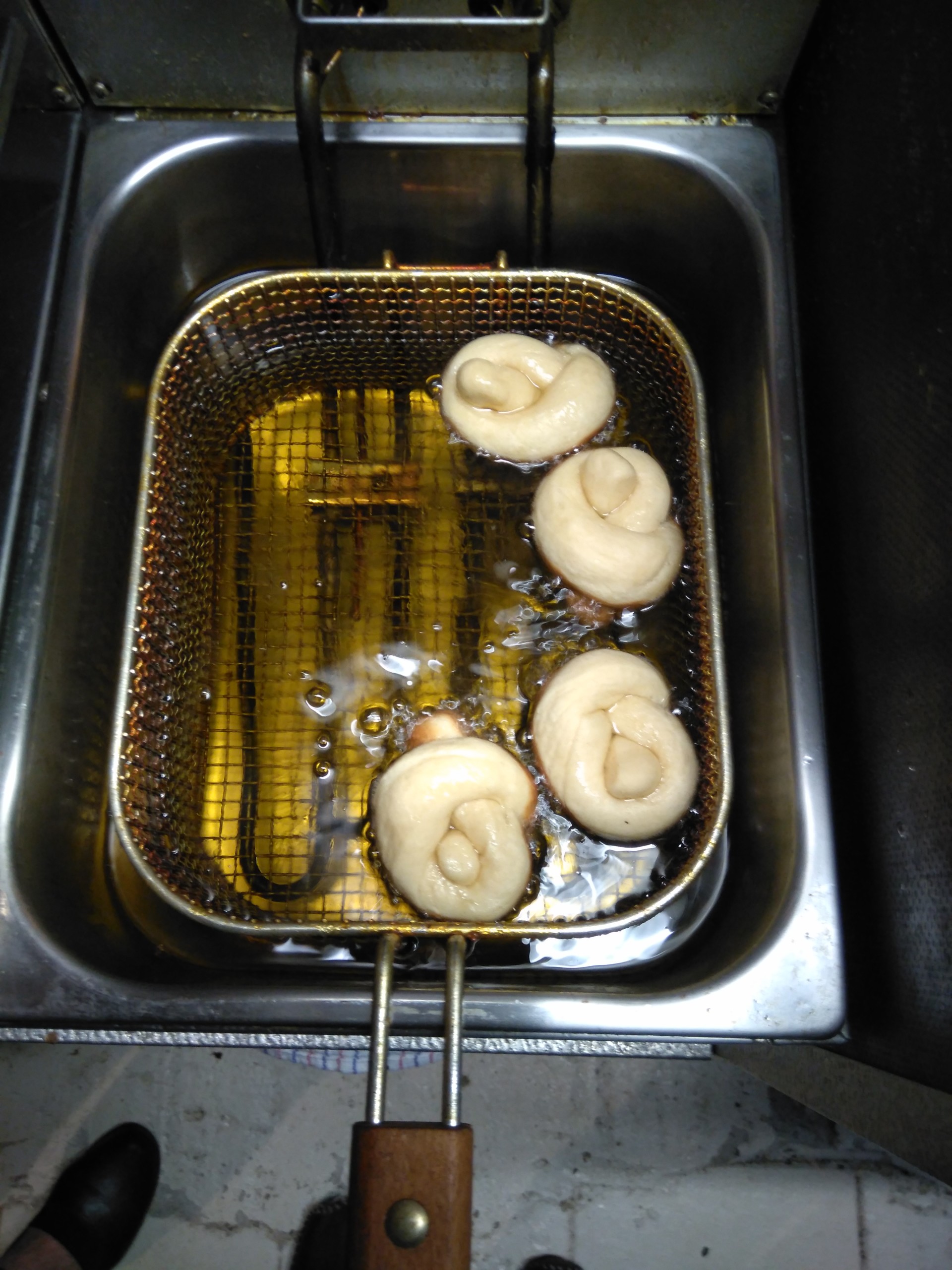
Meanwhile, heat the oil 150 to 160 ° C and fry the Nonnevotte. They are cooked and ready fairly quickly. When they are golden brown, turn them and when the other side is golden brown, about 1 minute each side, take them out of the oil. Immediately roll them through the sugar and let them cool like this.  Enjoy them warm !!

Tips.

The most important thing, I think, is that you bake the Nonnevotte in Sunflower oil. You can use an old large pan or a frying pan but never fry them in frying fat! This puts a white layer of fat over your Nonnevotte and the taste of frying fat is absolutely not good in combination with a Nonnevot. Deep-frying is for fries and snacks but not for pastries.

  Deep frying is not so good for Nonnevotte.

You’ll get about a 35 pieces from the recipe. That’s a good number right away but if you want you can freeze them perfectly. After baking (do not roll them in the sugar) let them cool and then freeze them. If you need them, just warm them in the oven (not microwave) and roll them in the sugar and they are ready to eat.

The Nonnevotte law struggle.

Fat, dry, tough, wrinkled, dark brown, collapsed and an oil smell. A lot can go wrong when making Nonnevotte.

Everyone wants a Nonnevot that will make the five crazy days a celebration. No one is hungry for a bumping tennis ball in their stomach. Making Nonnevotte is top sport, everything has to be in perfect order. Ingredients, with which the dough is made. The temperature in the bakery and of the oil. And the baker must be able to make a festive Nonnevot smoothly and with feeling.

News are asking bystanders what they think/judge about winning Nonnevotten

You can make a Nonnevot quickly, but a top Nonnevot requires more,“ say judges Miel Duisings and Ron Ossendrijver. They judged the Nonnevotte of the 40 Limburg bakers, who participated in the competition of the two Limburg newspapers for the best Limburg Nonnevotte. And number one, the winner, was Bakkerij Broekmans.

The jury comments, of the top 3 winners of the competition, can’t be translated well !! So, my dear friends, you have to read it in Dutch now ! Good luck !!

Top 3 !

  1. Thijs Broekmans, Panningen. 
    Topper met zijn prachtig goudgele kleur, zij stevige en gelijkmatige vorm. ,,Blij word je van deze nonnevot.” De jury is unaniem in zijn lof. ,,De bakker heeft laten zien dat hij het strikken maken in de vingers heeft. Zowel dubbel als enkel gestrikte nonnevotten. Kunstig en smaakvol.” Aroma en afbeet zijn zoals het hoort. ,,Hij smelt als het ware op de tong.”
  2.  Hannen, Herten. 
    Goede vorm hoewel hier en daar wat compact. ,,Maar het blijft een engeltje op de tong. Smelt lekker weg en is heerlijk luchtig van smaak.” Als de bakker nog wat meer op de details let en de puntjes nog iets meer op de i zet dan is deze nonnevot  volgend jaar ,,vrijwel zeker een groot kampioen”. 
  3. Rob Janssen, Elsloo.
    Fraaie goudgele kleur, een egale bilnaad, die er mag zijn en een zorgvuldig gesuikerd met een subtiel vanillesmaakje erin. ,,Kunstig, soepel en zorgvuldig gestrikt.”
One of my favorites – the variety – a Nonnevot filled with pudding ! Mouthwatering, but not original !

Enjoy warm or cold, have wonderful, fun and safe New Years Eve or Carnival!


Veröffentlicht unter History, Lifestyle, Recipes | Verschlagwortet mit , | 4 Kommentare

Fascinating Natural Wonders

Colorful mountains, burning waterfalls and unique formations. On our planet, there are numerous natural phenomena that seem incredible at first glance. However, there is a plausible explanation behind almost every phenomenon.

I like to show you a selection of – as I name it – Natural Wonders Of The World !! During my life and many years of traveling I had the opportunity to see many of these wonders in all parts of the world. Sadly my pictures – mostly 30-50 years ago were made on slides, which are now faded and not anymore worth to show, except a few. Give yourself a favor and click on pictures you like, most of them will supersize to enjoy !!

The internet shows most of them in perfect condition and made them look alike as the ones I took. Here a selection of the best ones. Enjoy this trip through our beautiful world during these hard times of Covid-19 Pandemic. I like to wish all of you „GOOD HEALTH“ !

This is a lenticularis cloud. This type of cloud is sometimes mistaken for an UFO because of its lenticular appearance. Lenticularis clouds form when the air is lifted over mountains. They can also form at the boundary of two different superimposed layers of air.


Darvaza Gas Crater is a natural gas crater. Scientists believe that it has been burning nonstop since 1971 and was the result of a drilling accident. While the first expedition of the crater didn’t happen until 2013, origin stories claim that it was formed after Soviet scientists tried burning noxious gases but underestimated how much gas was under the ground they were burning. Now it became a world known tourist attraction.

This image seems strangely artificial, but it was taken near the village of Chamarel in Mauritius. The phenomenon is called the Seven Colored Earth. The island is of volcanic origin. The colors came about because basalt lava was transformed into clay minerals. Iron and aluminum provide the color spectrum.

The Tessellated Pavement in Eagle-hawk Neck, Tasmania (Australia) is a natural terrace and consists of a flat rock that has divided into many squares, rectangles and the like. Some rocks are washed out because they dry out more during low tide. Salt crystals make the surface erode faster there. Other stones are raised because the sand flows along the joints and wears them away.

In Ireland, about 40,000 basalt columns rise out of the Atlantic. The so-called Giant’s Causeway was formed 60 million years ago in a volcanic age. Geologists assume that the formation of the columns is due to the cooling of hot lava.


The Coyote Buttes are a spectacular canyon landscape in Arizona. A popular excursion destination is the rock formation „The Wave“ ( right picture above). Hundreds of thousands of years ago, the area was a lake landscape. When this dried up, wind and weather formed the wave-like patterns. Click on pictures to supersize.

Spotted Lake, near Kliluk, is located in the Canadian province of British Columbia and has no outlet. It owes its name to a variety of minerals. In summer, a large part of the water in the lake evaporates and the concentration of calcium, sodium or magnesium sulfate, for example, increases. The minerals then become visible in the form of colorful pools. This attraction is called Canada’s best kept secret.

The Fly Geyser, located on private land in Washoe County (USA) was virtually man-made. It is the result of an incorrectly drilled well. The hole was not properly plugged, causing water to rise and minerals to be carried to the surface. These were deposited at the exit of the hole, creating the colorful cone over the past decades. It’s about 1,5 meters high and about 4 meters wide and still growing.

The aurora borealis, also called polar light, is seen mainly near the magnetic poles. It occurs when electrically charged particles from the magnetosphere hit the atmosphere. Nitrogen and oxygen atoms are excited in the process. Best areas to see is the Northern part of Canada and Northern Europe.


Pamukkale in Turkey is best known for its limestone terraces. Pamukkale means „Cotton Castles“ (notice large picture above). In the past millennia, calcareous thermal water ran steadily down the terraces from the spring. Thus formed the steps, which are still filled with the water today. Big parts of it are now closed for tourists (left pic). The damage they made was to high. But there are still areas where people can enjoy the hot springs. Click on the right picture and size up to enjoy the view.

In the White Desert of Egypt there are some fascinating limestone monoliths. They are made of plankton. 80 million years ago, what is now the Mediterranean Sea covered the desert. Due to wind, weather and the extreme temperature differences the material eroded and the most different formations were formed.

When it is particularly cold in winter, observers can admire white bubbles in the clear ice of Abraham Lake in Canada. These are frozen methane bubbles. Methane rises from the bottom of the lake year-round. When it reaches colder water layers in winter, it freezes.

In Yosemite National Park in California, there is a waterfall that only catches fire on a few days in February. The so-called Ponytail Falls – or Firefall – is illuminated by the setting sun during this time so that it looks as if it is on fire. What a phenomenon – worth to see.

They are also called the Rainbow Mountains, the Danxia Mountains in China are made up of different layers of sandstone. Erosion and weathering have created this unusual variety of colors.


In California’s Death Valley National Park, large and heavy stones wander across a dried-up lake, leaving their mark. The right conditions have to be right for this to happen: In winter, an area fills with water just enough to form a floating layer of ice. The stones must not sink. When it is just the right temperature at night, the ice shatters into pieces by the rising sun. A little wind blows the ice floes over the surface, pushing the stones in front of them. Interesting to read in Wikipedia about those „sailing stones“ and why they sail !

At the foot of the mountain Vestrahorn, Iceland there are black sand dunes. Such beaches are formed after volcanic eruptions. When the lava hits the sea, it explodes and cools off. In the process, cooled, crushed lava and volcanic ash settle out – in the form of black sand.

The largest salt plain in the world is the Salar de Uyuni in Bolivia. It is so vast and flat that when it rains it becomes probably the largest mirror in the world.

The Cano Cristales is a river in Colombia, also called the „River of Five Colors“. Between September and November it resembles a flowing rainbow. This is due to a unique plant species, also called Macarenia clavigera, that grows at the bottom of the river. Only within a short period of time between the rainy and dry seasons, when the water level is just right, does it develop a bright red.

The Kawah Ijen volcano in Indonesia spews blue lava during an eruption. Liquid sulfur flows out of the volcanic vent and is so hot that it burns bright blue.

Belize’s Great Blue Hole  is the world’s largest known sinkhole. It measures 300 meters (984 feet) wide and 125 meters (410 feet) deep. It wasn’t until 2019 that expedition teams were able to explore what’s at the bottom of it. Among the discoveries found were never-before-seen mineral formations and a layer of hydrogen sulfide. Researchers hope this information will help shed light on the hole’s origins.

This is not where the aurora borealis was photographed, as shown further above. In many places on Earth, you can see what are called solar columns – pillars of light that seem to rise. Flat, flickering ice crystals reflect the sunlight in the upper atmosphere. When it’s particularly cold, as it is in Alaska, these ice crystals can also form near the ground as a kind of light snow. When they reflect light from the ground, they can form these lights.


The so-called fairy circles occur, for example, in the Namibian desert. They are bare patches in the middle of grassy areas, enclosed by lushly growing grass wreaths. The reason for this are: Termites. The animals eat away the roots of the grasses around their nests. Without them, more water remains in the soil, which is essential for termites to survive. Some termites have nests only underground, not above ground, like in Australia.

Living creatures that produce light make the sea in the Maldives glow blue. This phenomenon is called bioluminescence and is mostly triggered by tiny algae. The substrate luciferin reacts in them with the enzyme luciverase. In the process, oxygen is absorbed and the enzyme takes on a more energetic state. This additional energy is emitted as light. The higher the solar activity was during the day, the more the algae glow at night.


The plant species Eucalyptus Deglupta is also called rainbow tree and is one of the fastest growing tree species in the world. The older bark is brown to yellowish in color. It regularly peels off, exposing the younger, green layer underneath. Over time, this slowly changes color, becoming blue, purple or red. This is how the colorful pattern is created. One of the finest Rainbow Eucalyptus Trees, a whole forest, I’ve seen on the road to Hana on Maui Island, Hawaii. May be I will show you this amazing forest in a later post.


The Moeraki Boulders are unusually large and spherical boulders lying along a stretch of Koekohe Beach on the wave-cut Otago coast of New Zealand between Moeraki and Hampden. They occur scattered either as isolated or clusters of boulders within a stretch of beach where they have been protected in a scientific reserve. The erosion by wave action of mud-stone, comprising local bedrock and landslides, frequently exposes embedded isolated boulders. These boulders are grey-colored septarian concretions, which have been exhumed from the mud-stone enclosing them and concentrated on the beach by coastal erosion. Click on smaller pics to supersize.


Tucked away in Yellowstone Park is the  Grand Prismatic Springs. While not as well-known as Old Faithful, Grand Prismatic is actually the largest hot spring in the world. The heat-loving bacteria in the spring make the water rainbow-colored. While the spring is gorgeous to look at, it’s not the best place to take a swim, as the water reaches over 1000 degree Celsius (188.6 Fahrenheit). It is worth to click on smaller pictures.

I hope you enjoyed my selection of „The Natural Wonders Of The World“ !!

Veröffentlicht unter Information, Must See, Travel | Verschlagwortet mit | Hinterlasse einen Kommentar

What Was – What Will Be ?

What a difference ONE DAY makes:

I have no answers to these important questions, what was and what will be. Not even an answer to questions like, what can we learn or what can we do or how can we be prepared and so on.

The coronavirus pandemic isn’t the first to hit the human civilization. But it is a new one and NO ONE has any experience with it. Throughout history there have been numerous pandemics, others much worse than COVID-19, that claimed the lives of thousands even millions of people. Ever since humans learned to live in groups forming communities where they live close to each other and also travel across the seas, the world has seen numerous diseases spread like wildfire.

Distance, masks, isolation, shutting down public life, school closures, no travel, quarantine rules and much much more.

These measures to contain the Corona pandemic are not new to humanity. There were also strict lock downs in the days of the plague and the Spanish flu. The rules then are very reminiscent of the current ones, but there are differences.
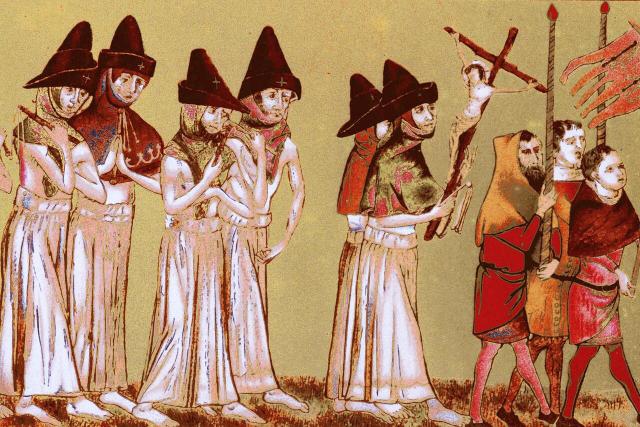

It was the deadly pandemic that swept through Europe and Asia among other continents and killed an estimated 25 million people in Europe. Aside from having fever and chills, those afflicted also had blood and pus seeping out of swellings all over the body.

A disease breaks out and spreads across several countries and continents within a short time. Because numerous people die from the disease, further infections are to be prevented. To this end, patients are isolated, events are canceled, and residents are only allowed to leave their homes for shopping.

These rules were imposed on people in Italy in the 16th century. An Italian doctor wanted to contain the plague – with measures that are strikingly similar to the current Corona restrictions. Similar rules were also in place at the time of the last massive pandemic, the Spanish flu. Today’s approach to preventing the spread of COVID-19 is based on the measures taken during the plague wave in the early modern period.
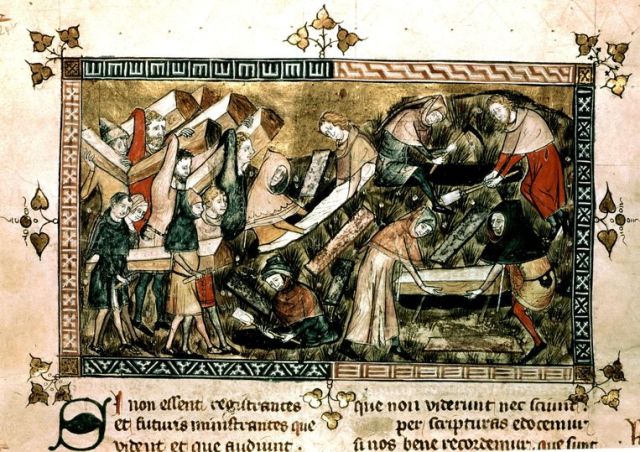
In the 14th century, the disease spread throughout Italy. It is estimated that between 1347 and 1357 a third of the European population died of the plague. Over the next centuries, other waves of plague struck parts of the world.

Due to the enormous threat to public health, the political authorities  took action against the plague into their own hands. „Early medical practitioners existed as early as the Bronze Age,“ says medical historian Karl-Heinz Leven. He is director of the Institute for the History and Ethics of Medicine at the University of Erlangen-Nuremberg, and epidemic history is one of his main areas of research.

                  

„But it was in dealing with the plague that public health policy began.“ This made the containment of the disease a state task for the first time in history. People were only allowed to leave their homes to go shopping. Then, too, a kind of lock down was imposed, bringing public life to a standstill.
The Italian physician Quinto Tiberio Angelerio (b. 1532, d. 1617) established a lockdown for the Sardinian coastal town of coastal town of Alghero, according to the National Center for Biotechnology Information, 57 rules.
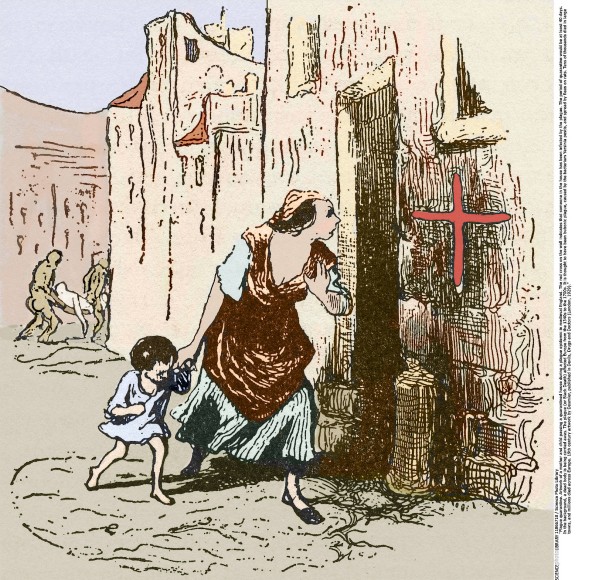
Medieval quarantine: The doors of those infected with the plague were signed with a red cross and barricaded for 40 days, as depicted by the French painter Daumier.

He had previously practiced in the Sicilian city of Messina and had been able to observe the plague there. Angelerio crippled trade with people outside Alghero by erecting a triple barrier along the city wall. He also decreed that only one person per household could leave the house.
Private meetings and events were forbidden; instead, keeping one’s distance became the order of the day. In order not to come too close to others, people were supposed to carry a two-meter-long stick as a guide. Citizens were expected to clean and disinfect their homes and clothing, for example by using heat in the oven, and they were to burn cheap furniture right away. In addition, regular airing of the rooms and the air in the city was to be purified – according to the knowledge of the time – by firing cannonballs.
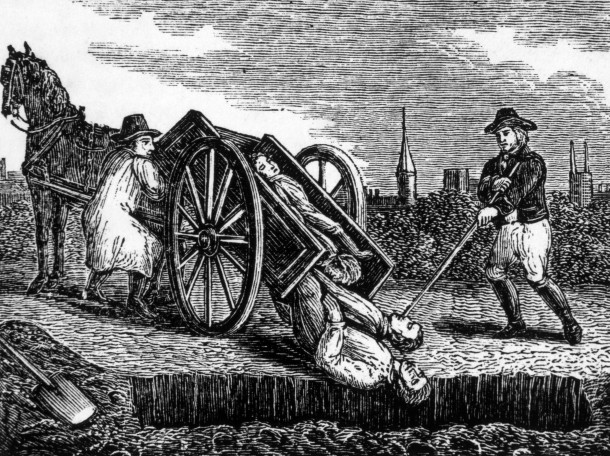
   The plague dead were buried in mass or group graves, as here in London in 1665. Wood engraving from 1834.

Neighbors betrayed each other when disobeying the rules. Infected people were isolated in specially set up infirmaries, and for people who had contact with sick people were subject to strict curfew. Security guards guarded and contact persons to ensure compliance with the rules. The contaminated houses in front of which they stood were marked with a red cross, and whoever did not report a new plague infection after six hours at the latest was punished.

Furthermore the towns people were supposed to report it if anyone defied the rules, they were even paid money for doing so. Doctors like Angelerio could not explain the infections medically at that time. They only knew that the plague was contagious, and they suspected that it was related to poor hygiene, with stench, filth and rot.
In this way they took up an idea from the Middle Ages, but in reality the so-called
rat plague was transmitted by fleas living in the fur of rodents or by fleas moving between
migrated between people.
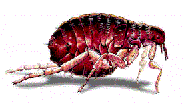
              

Masks were intended to prevent droplet infections with Spanish influenza. Nonetheless, the speculation about contagions at the time led to Angelerio’s measures proving effective.
Today, scientists consider the Italian physician’s approach as extremely successful, not least because researchers have now been able to scientifically proven. „That’s why a lot of it has been taken up again today,“ Leven says.

And also during the Spanish flu between 1918 and 1920, similar rules were put in place: Schools and places of entertainment were closed and people were expected to wear masks. Unlike the plague, which is an infectious disease transmitted by bacteria, the Spanish flu as a viral disease is medically comparable to COVID-19. The pathogen also primarily attacks the respiratory tract, so droplet infections were also to be prevented at that time by covering the mouth and nose.
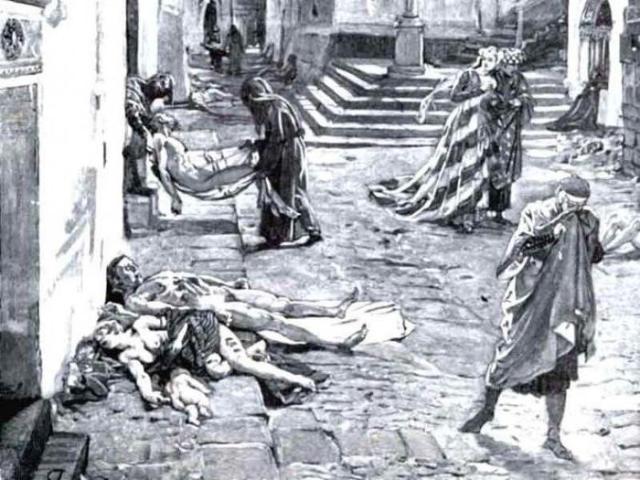

The plague dead lay in heaps in the streets. There were hardly any people who could clean up the bodies.

Viral disease 100 years ago was more deadly than the Corona pathogen. On the whole, however, the containment rules were neither consistent nor imposed on the citizens imposed on citizens over a long period of time, Leven says. So there is a difference here to the approach taken in the Corona pandemic. Between the fall of 1918 and the spring of 1919, 300,000 people in Germany died from the Spanish flu. „People were so traumatized by the war, they just accepted the dying.“

The disease was not seen as an existential threat, but the plague was – and today, coronavirus is considered a public health threat. „In comparison, the Spanish flu was more deadly than Corona, though,“ Leven says. When it spread around the world shortly after World War I, it was mainly young, fit people who died.
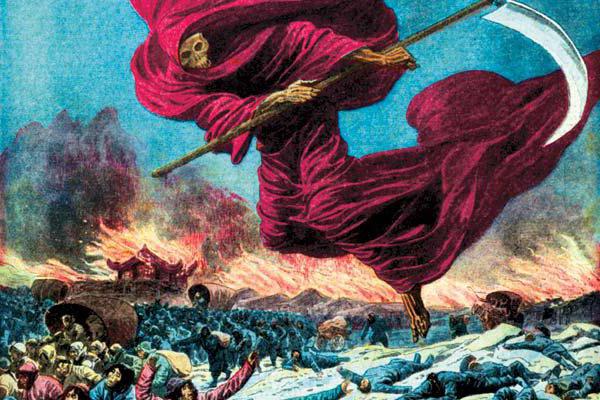

Often whole districts were closed off and burned out.

Emaciated people survived the Spanish flu paradoxically. What sounds contradictory, the scientist explains, is that „healthy and well-nourished bodies responded to the virus with an immune overreaction and did not survive.“ Someone who was emaciated from the war had no reserves for it, so the German population was least affected by the Spanish flu.

Fortunately, in contrast to that and the plague pandemic, medical treatment is possible, Leven says. „There are 25,000 intensive care beds available for that, just in Germany, which is enormous.“ In addition, a vaccine was available about a year after the outbreak of COVID-19, normally it takes up to 10 years, faster than at any time in human history.
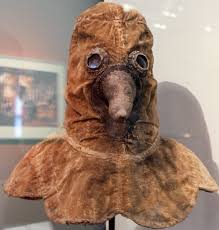
     Typical plague mask in the Middle Ages.

A Virus expert explains: This is why pandemics originate in Asia and Africa.

In a guest article for „I fucking love science“, Dr. Suresh Kuchipudi, deputy director of the animal diagnostics laboratory at Penn State University, has now come up with a theory as to why „deadly pandemics are increasingly emerging in Asia and Africa. In addition to the current coronavirus, the scientist also refers to the outbreak of the Sars virus (2002/2003) and the Mers virus (2012). He finds it particularly worrying that the time span between pandemics has become shorter and shorter over the past 20 years.
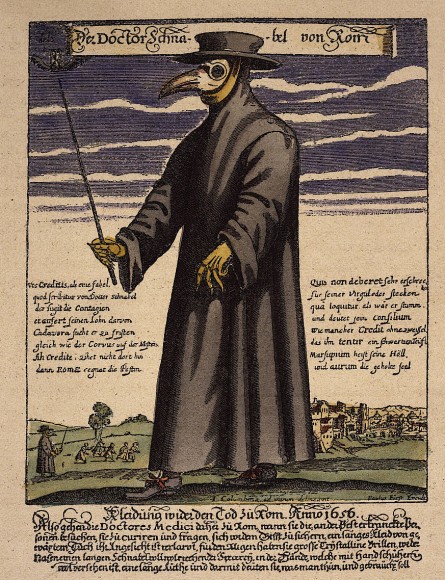
  The doctor beak of Rome.

Suresh Kuchipudi sees one origin in the unchecked urbanization in Asia and the Pacific region. What follows could be described as a tragic chain reaction. To create residential areas, forests would be destroyed, pushing back wild animals and eventually bringing them closer to humans and their domestic animals. Wild animals often harbor viruses, which in special cases can jump from species to species and would eventually infect humans.

The expert on zoonotic viruses, those that spread from animals to humans, describes his concerns as follows: Due to the loss of their habitat, more and more predators are dying. This, in turn, favors the population of rodents, which spreads explosively. This, according to studies, would also increase the risk of zoonotic diseases.
In addition, there would be other factors, which the virologist discusses. For one thing, tropical regions are fundamentally rich in biological diversity and thus naturally have a large number of pathogens. Furthermore, the cohabitation of families with their small livestock would contribute to the spread of viruses.
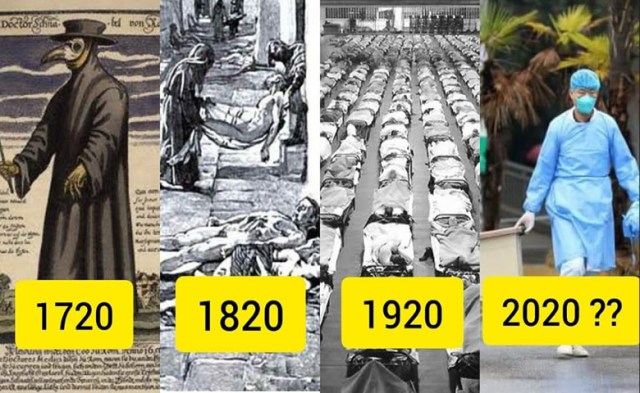
Isn’t it interesting that we have every 100 years a massive pandemic outbreak ???

Disease control and feed supplements would be virtually non-existent. Another factor would be markets where „intimate mixing of multiple species, including humans“ would prevail. Further, meat from hunting wild animals-meat  would be „a clear and primary route for zoonotic disease transmission.“ Parts of tigers, bears, rhinos, pangolins, and other species that find their way into questionable medicines would also play a part in the spread.

We are all currently experiencing a historical world event the likes of which we could never have imagined. We know pandemics only from history books – and now we are in one ourselves. It is true that mankind has repeatedly suffered terrible plagues with numerous victims. But no pandemic has ever spread around the globe as quickly as Covid-19. Looking back at what happened can also be a look forward to what may lie ahead.
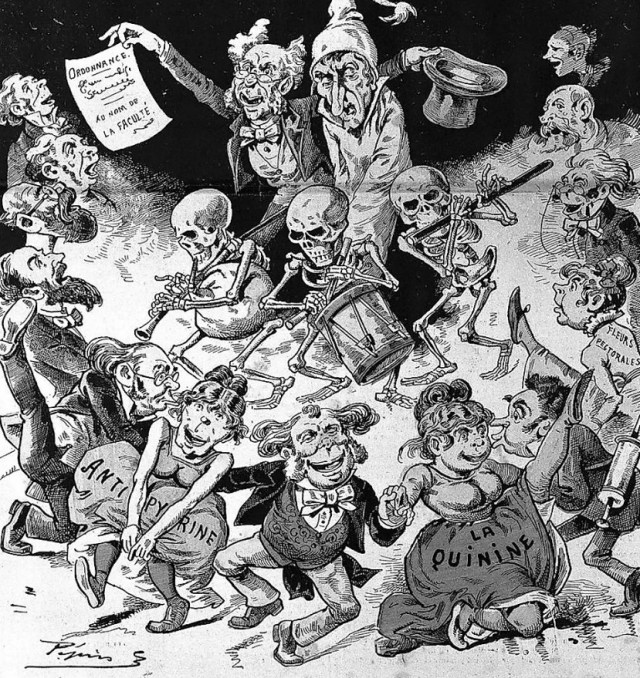
The 12 January 1890, edition of the Paris satirical magazine Le Grelot, France depicted an unfortunate influenza sufferer bowled along by a parade of doctors, druggists, skeleton musicians and dancing girls representing quinine and antipyrine. In all centuries, during all pandemics, there were the deniers, the radical demonstrators against rules and warnings, who ridiculed the experts, the conspiracy theorists, the alleged physicians who already celebrated a solution and many more.
All of them did not even look at the fact that death was already richly harvesting.
It is exactly the same today.

The plague in the mid-14th century probably claimed the most victims. It is estimated to have claimed more than 200 million lives worldwide; in Europe alone, around half the population is thought to have perished. It took about 100 years for the population to recover to pre-plague levels. The political, economic and cultural impact was dramatic.

Better remembered collectively is the Spanish flu of 1918 to 1920, which was the last major pandemic of modern times to date and occurred just 100 years ago. It was a mutation of avian flu and came from the USA to war-ravaged Europe. According to estimates, 25 to 50 million people died from it.
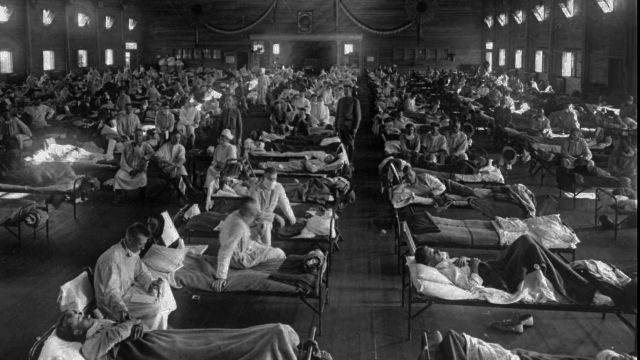
Completely overstretched hospitals housed patients in cleared-out factory halls. Here, patients were no longer treated or cared for, only death is their chance.
Does it have to come again so far, must the few Corona-refuser’s determine over the health of the mass ?

The Spanish flu is not only closer in time to us than previous pandemics. Despite the considerable level of scientific and medical knowledge even then, it caught the healthcare system completely unprepared. Pneumonia was also the cause of death at that time, but the disease mostly affected younger people between the ages of 20 and 25. About 40% of the dead belonged to this age group.

The spread of the Spanish flu was accelerated by a special form of globalization: the First World War. Hundreds of thousands of U.S. soldiers were shipped to Europe, bringing the virus with them. It is called Spanish flu, by the way, because Spanish media first wrote about it. The military censorship of those participating in WW1 prohibited any reporting.
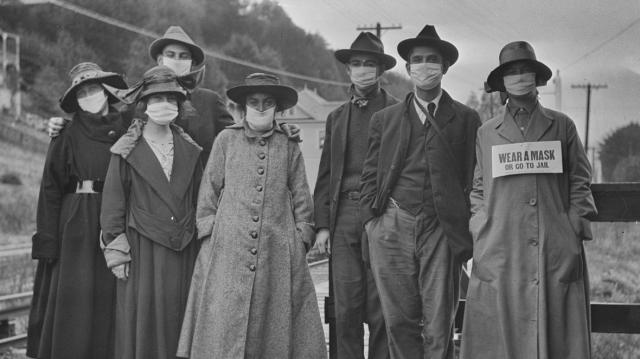
Such a strong order and warning would be wise to establish today also.

Today’s globalization is fortunately not based on war, but the intensive travel between countries and continents has facilitated its rapid and global spread. And then, as now, there was no international coordination of countermeasures, even after the end of the war.

The Spanish flu swept across the world in three waves. The first wave broke out in the spring of 1918, but was not initially noticed in view of the many thousands of deaths at the front every week. Only later did it become apparent that the American army, for example, lost almost as many soldiers to influenza as to warfare.
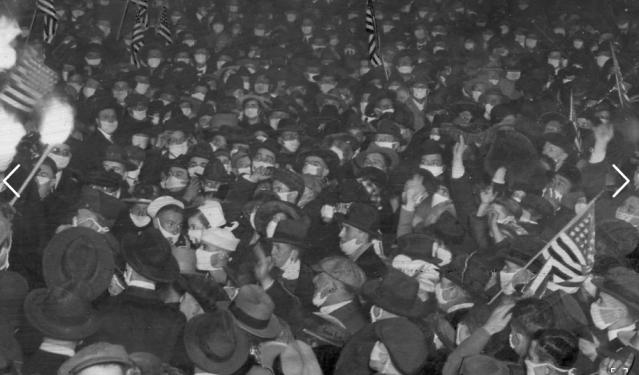
Also at that time thousands of incorrigibles demonstrated against restrictions and limitations. Far more than half of them paid for it with their lives.

The second and third waves were particularly deadly, beginning in the fall of 1918 and the spring of 1919, respectively. Two out of three people became infected with the virus. In industrialized countries, the mortality rate was around five per thousand, and in poorer countries up to ten per thousand. Italy was particularly affected at that time as well, but the central and southern parts. Overall, the flu claimed more lives than the First World War. Around two percent of the world’s population, of 1.8 billion people, died from it.

The casualty figures for today’s Covid-19 pandemic are still very far from the horror figures of the Spanish flu. What both pandemics have in common is their rapid spread around the globe and high mortality rates. The world is in a better state today than it was in 1918 at the end of the World War. The conditions for success in the fight are infinitely more favorable.

But okay ‚a virus: we have the flu every year anyway, what’s so bad about this? Who is to blame for the pandemic?

That’s exactly it, we have the flu every year. everyone has had the flu at some point in their lives (and often multiple times). And every time we get sick from it, we become immune to it, until the flu mutates far enough and we get sick from it again and so we have had a sort of „immune upgrade“.

When Europeans began to colonize America in 1492, some 90% of the native Americans died from the viruses (influenza, measles, smallpox) they brought with them that illustrates the power of that accumulated immunity.

Like the Native Americans, we as humans now have no built up immunity to this virus because it is a totally new virus for us. Unlike the flu, where we always get a variation of the flu we’ve already had, our bodies are now getting a totally new disease that is making us sick.And this is the biggest challenge for scientists and politicians too.

This is exactly where corona virus differs. The term zoonosis is important to understand here: these are infections of vertebrates that are transmitted to humans. The important fact is that the virus lives and mutates (reservoir) among different animal groups. Which in the case of the corona virus has most likely been the bat. And there is a strong suspicion that the bat transmitted it to another animal, and thus got to the market in Wuhan, China and mutated there and infected the first humans.

It attacks the lungs first, and when our body picks it up within 2 weeks of us getting sick and the immune system starts attacking the virus, corona also makes the immune system sick. This weakens the immune system for some people so much that they eventually die from Corona.
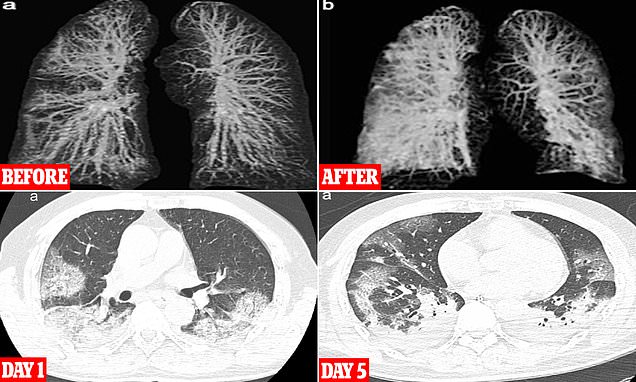
Corona does a lot of damage to the lungs, with long-term effects!

What is a „wet market“ – means – in China ?

A wet market is a market where you can buy fresh meat. You will find live animals, which are slaughtered and „cleaned“ on the spot. You will find stacks of cages with live (sick) animals and their bodily fluids (urine, poop, blood, pus) mixing together. You can easily imagine: this is the perfect place for animals to get sick. You can find such wet markets all over the world.
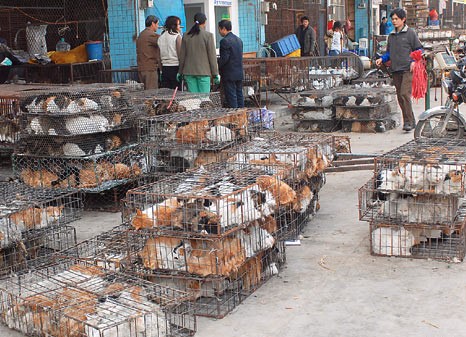
  Living animals next to…
…butcheries with open meat, mostly never cooled.

But in China it was different. In the 1970s under the Communist regime there was famine and so the then Chinese government decided to allow the capture and breeding of game as well. This worked so well that people could live from it, and was thus protected and ten years later also done on an industrial scale. Thus, there are hundreds of different animals to be found in these kinds of markets from all over the world, legally (but also illegally) all of which carry potentially different diseases.
Open stacked cages, different animals, poor hygiene, and open meat, these are the perfect conditions for the development of diseases.
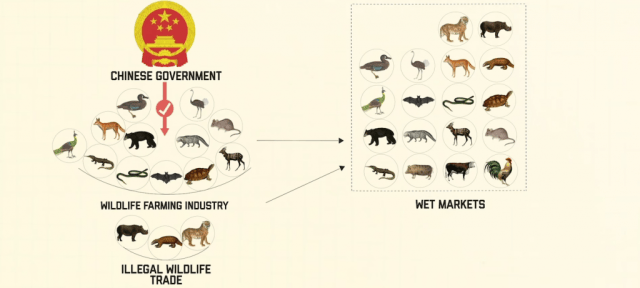


The Chinese government has approved numerous animals, but illicit trade has also found its place in these markets. So you have many animals close together, with a high potential variety of diseases, under poor conditions, and that’s waiting for a disease to break out.

Think late 80s, early 90s with BSE ‚the mad cow‘ disease originated in England.
How about Q fever of sheep in 2007-11 in the Netherlands.
Or influenza (h7n9) from poultry in 2013.
And Influenza (h5n8) in 2016/17.
Or foot-and-mouth disease in livestock animals.
HIV caused by eating primates (Bush-meat).
Spanish flu of 1918 (also an influenza).
Measles (a mutation of rinder-pest from cattle)
Smallpox (a mutation of camel pox)
Mumps, Rota virus, plague, typhoid,

But actually all of human history has these types of diseases:
All types of pandemic, measles, smallpox, Spanish flu, plague, cholera, typhoid fever, HIV epidemic and on and on.
As long as we cage animals like this, to store and sell on wet markets for butchering, we have to face epidemics every few years.  AND – IT WILL BE WORSE IN THE FUTURE !!

So animals are to blame for this pandemic?
Or do we have to blame Chinese meat eaters?

I don’t think so. We have a large population, some 8 billion people.
We have Globalizing, or international travel and logistics in increase.
And we have a large number of (different) animals, about 60 billion livestock animals, just to feed the world population. It is never enough anyhow, right ? What can we do ?
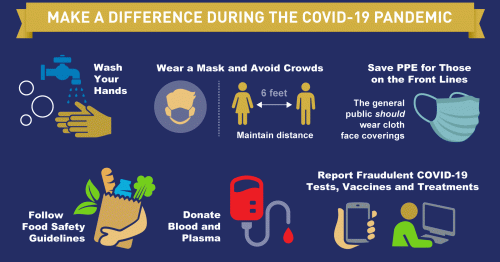
Just let’s try to make a difference in our personal small world and be prepared for more to come.
And it will happen, the world will never be as before Corona, just face it !!!

However, we still know quite little about today’s Covid-19 pandemic. Unpleasant surprises may lie in wait. For example, it is uncertain whether Covid-19 will also occur in multiple waves and whether the virus will mutate from wave to wave, allowing it to re-infect people who have already been immunized. Encouragingly, we now have much better and more numerous scientific capacity to develop an antidote. But it is still uncertain when the scientists will be successful and how quickly their work results will benefit as many people around the world as possible. Especially if they, the scientists – and all of us – have to deal with brainless idiots like Trump, Bolsonaro and others, which still play the danger down and therefore increase the human death toll !
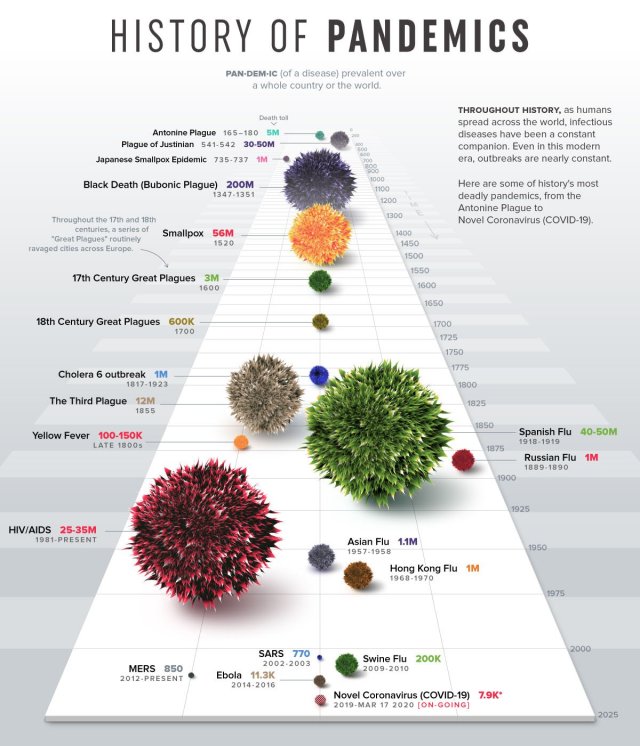
The dot symbolizing Covid-19 in the above graphs still looks very small, but the graph is from March 2020. Now, in January 2021, we already have over 103.000.000 global cases and more then 2.230.000 global deaths. So – the covid-19 dot must be already over double sized than the Hong Kong Flu dot !!!

The number of infected and dead is still very small compared to previous pandemics. But the dynamics of Covid-19 are frightening. And we still know almost nothing about the economic and political consequences of our pandemic.
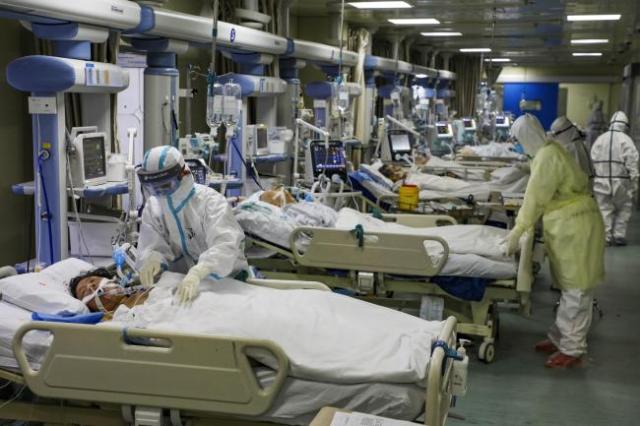
Over the capacity filled emergency stations – all fake news ? – YEAH RIGHT !!!

The situation worldwide will get much worse. However, the impatient youth (which is quite a youthful right) is so spoiled, so effeminate, that they do not want to and can not do without anything they are familiar with. The older (perhaps not so impulsive) generation is more patient.

The youth can’t, not even for a short time, give up their habits, such as skiing, lying on the beach, or partying and so on. They believe that following a few rules to contain a worldwide pandemic deprives them of their personal freedom. Since they have never had to do without anything in their lives and do not know the struggle for survival, they immediately go violently to the barricades.
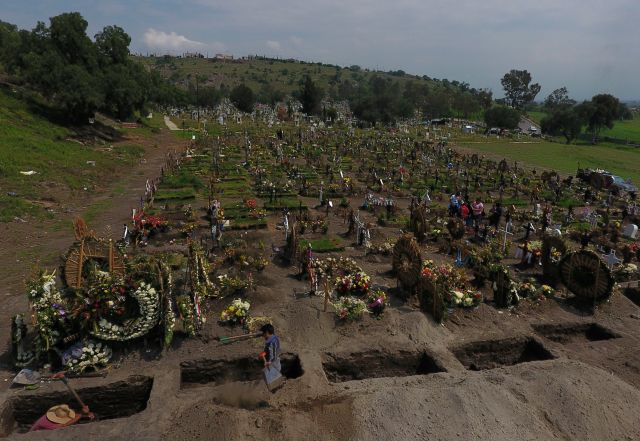
Millions of death, special Corona cemetery’s – all fake news ? – YEAH RIGHT !!!

In addition, we have in most countries „soft politics“, which does not enforce and is not, according to the situation, harshly enough. The protection of the majority and their health,  as well as consistent action, is equated with dictatorship.
So – it will get worse and the majority of the population has to pay for what the minority messes up! They won’t learn, learn from the past and learn from history, nothing changes, millions of  lives will be lost unnecessary.

The above is for my special friends, the „conspiracy theorists“ and their „partisan media outlets“, which believe and spread around these and many other theory’s:

COVID death rates are inflated.

Blaming 5G.

COVID is a plot by Big Pharma.

The US military imported COVID into China.

COVID was created as a biological weapon.

Bill Gates as scapegoat.

COVID-19 doesn’t actually exist.

The pandemic is being manipulated by the ‘deep state’, their members secretly breed small children and drink their blood.

 

Actually, it’s so funny and hilarious, if it wasn’t so serious ! But the history of epidemics teaches us that there will be consequences and that they have usually been significant.
We are only at the beginning of an unpredictable upcoming development.


 

Veröffentlicht unter History, Information | Verschlagwortet mit , , | Hinterlasse einen Kommentar

Music Survives – Always

Some month ago I posted a Special for my German readers, in the German language. Because we Germans know that we are very thin-skinned, we are said to be serious, and we are humorless. I don’t know if it’s true or not but sure is that we can whine at the highest level.  But – WHINING I face all over the world at the moment – in every country,
in every community, in families and so often in one’s own feeling. Have we lost our MOTIVATION ?

With begin of the New Year I like to give all of you some different input, some information you might like or not. It’s all up to ourselves. There will be lots of problems and incidents this year, but I also see many chances to come and I see a different, sometimes hard to face and take on world, but very much a positive change in the future.
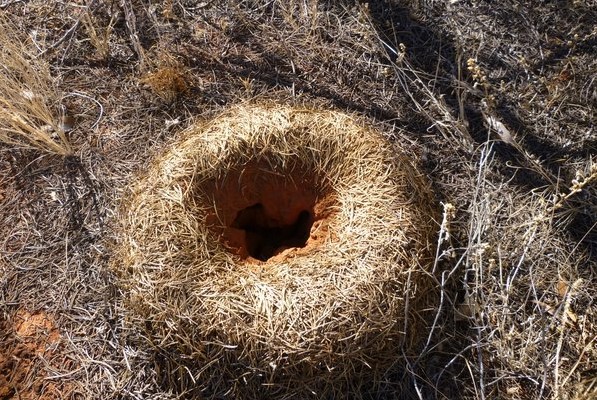
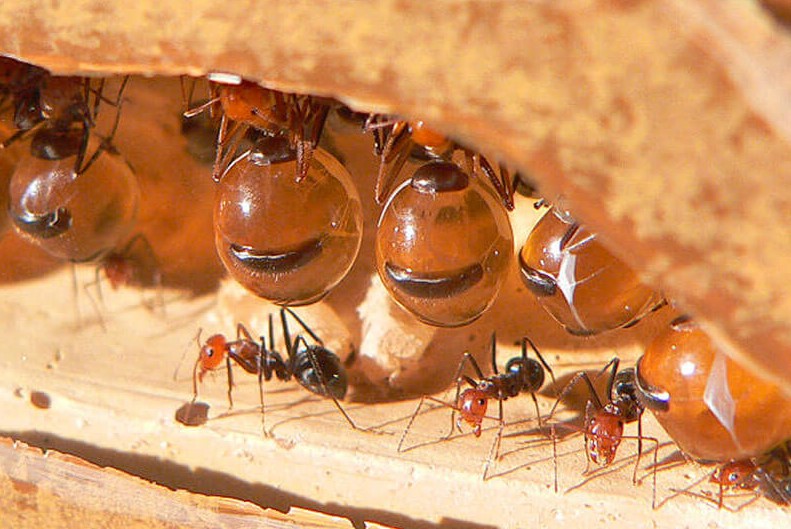
Every day you can read:

Protection seekers with smartphones and designer clothes on their way to Europe.
German pensioners live below the subsistence minimum – in one of the richest country’s !
A handful celebrates, 180,000 people suffer.
US police officers shot at protests. Another „black man“ shot dead.
In election defeat, Trump rejects peaceful transfer of power – democracy in danger.
Water cannon used against protesters in Minsk. Rescue ships – cab to Europe.
New travel warnings – Risk areas in every second EU country. Hunger in Germany !
Child labor in Turkey – Life from the garbage can. Deaths in air strike in Afghanistan.

Brexit, Corona, Trump, dictators, forest fires, climate crisis, elephant deaths, bank failure, fake news, lock-down, hurricane, currency collaps, protests, demonstrations, sanctions, hate, poisoning.  And so on – so on – and on ……………..

Newspaper Headline: Bad News

So it goes day after day in the press, on TV, etc. One can hardly escape from it and must be careful not to be torn into this „negative muck pool of information“. That makes aggressive, depressive and ill.

I have tried to counteract this with positive information, jokes, sketches and songs. It really helps and it is fun. An hour or two of good music in the evening and I sleep much better, that’s a great deal better than watching the latest news.

So, my friends, stop feeling sorry for yourself, stop whining, stop discussing the limited freedom of Corona, stop reading and spreading all the negative end time reports and the many conspiracy theories.

Look at positives, regain your motivation and stay healthy !
Here is the medicine for you, enjoy it !


Music can offer better, listen and look but purely in my 15 musical favorites:

Of course, music is a matter of taste. Not everyone likes everything and not everyone has to like everything. The following selection, without claim to a logical order or valuation, should drive away a little bit the stress of everyday life. Do not think, but enjoy the music. Music makes joy !

Where are THESE good times gone ? Looking back, mostly the positive remains in memory, the negative is forgotten, which is also good. In, I hope for all of us, not too distant future, we will have forgotten all the negative today and continue to enjoy beautiful music, wit, humor, good food and drink, deep friendships, love, health and well-being. I wish it, to all of you/us, from the bottom of my heart. Take your time, click on and enjoy !
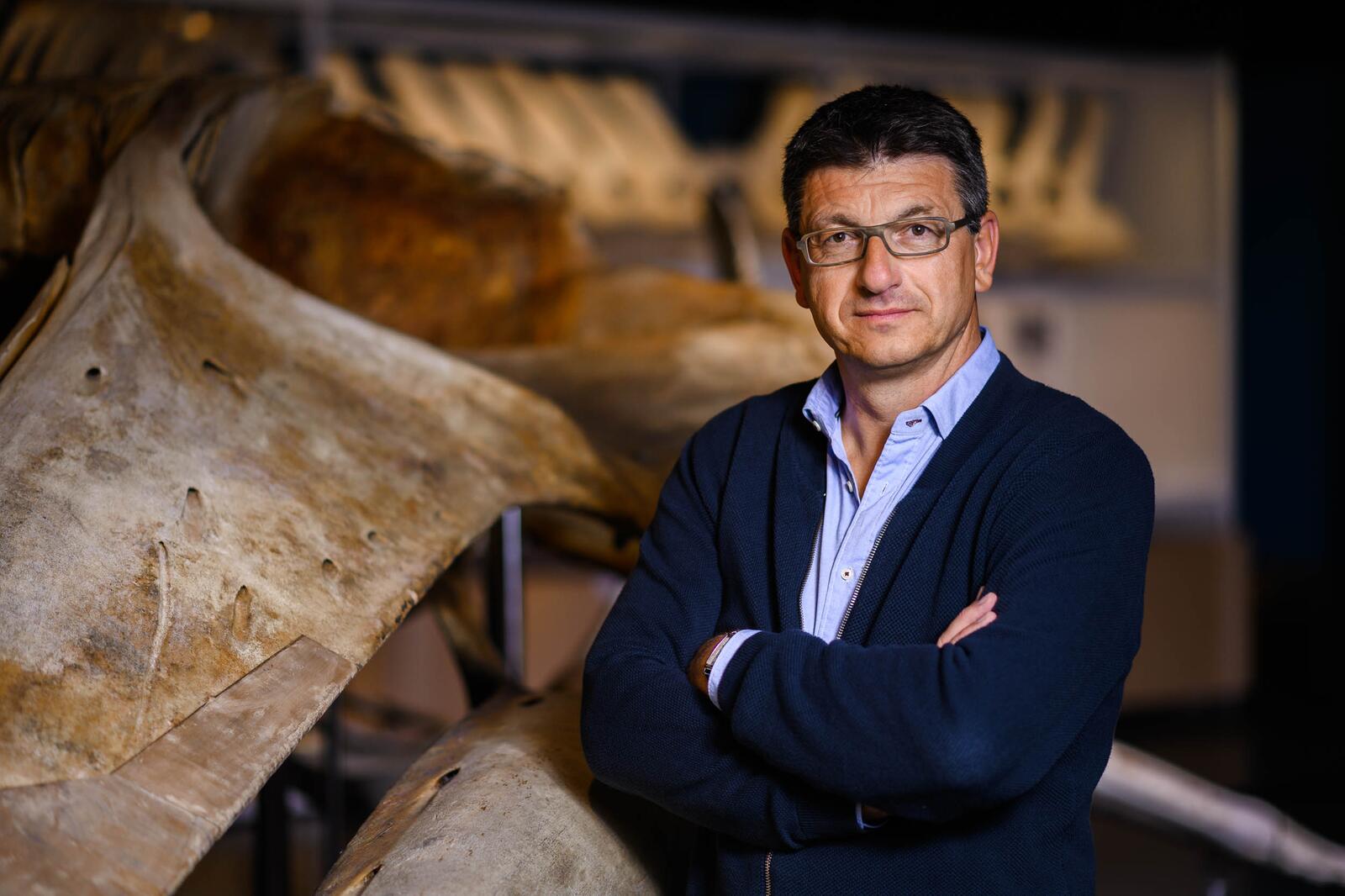
The world we knew will certainly not be the same in the future as we were used to. It will be different, new, challenging and offer many new opportunities. Change is always painful, especially if, like me, you already have 75 years of old habits under your belt. My motto has always been „USE OPPORTUNITIES! – TAKE CHANCES!“ So – why shouldn’t it benefit you too. If everything goes, music – enjoyment – joy remains. Music survives Corona !
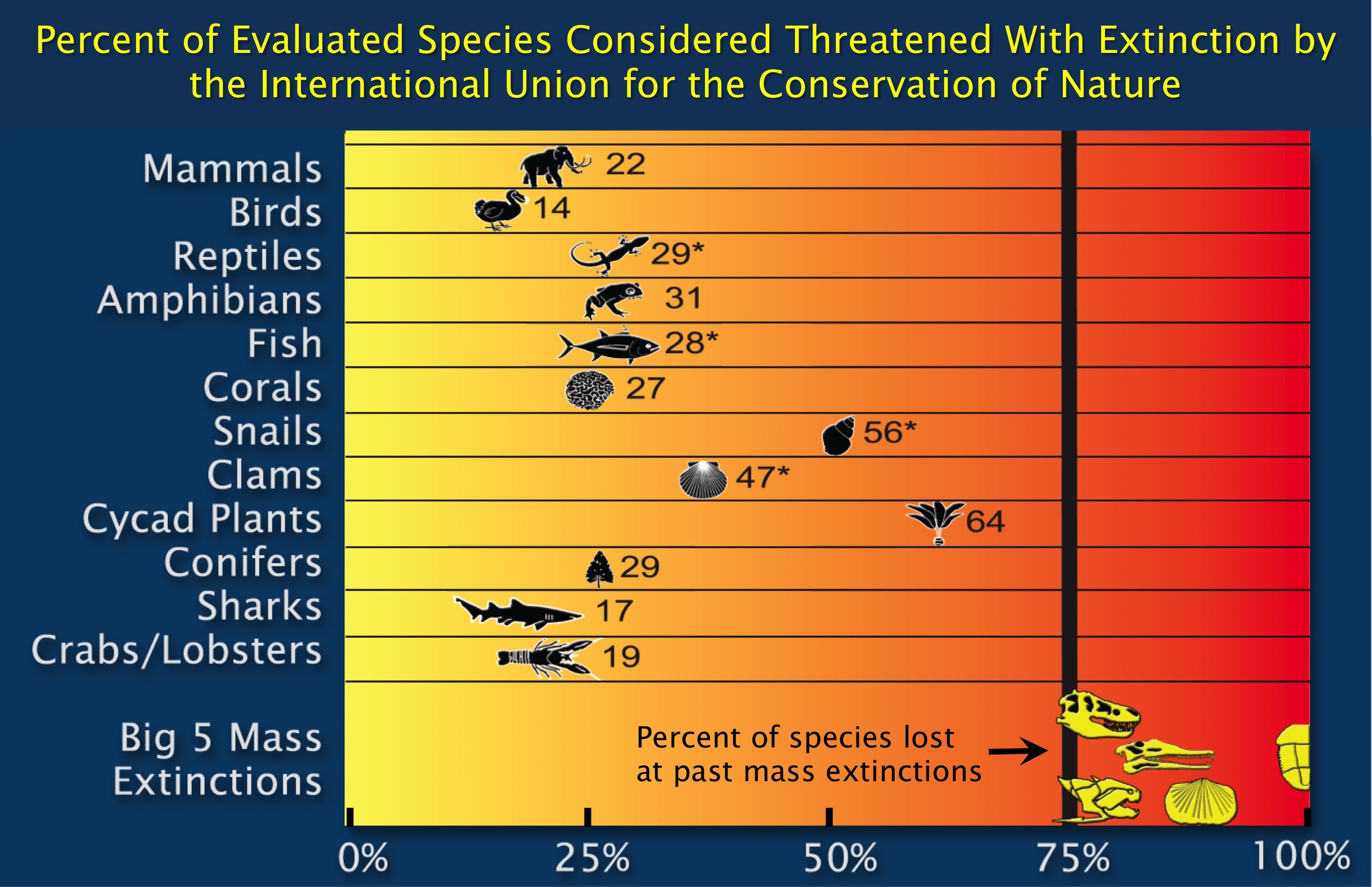
REJOICE, when listening, looking, F E E L and E N J O Y of the following 15. All 15 have a deeper meaning, but find out for yourself what I mean!

If you click on one of the following music titles and the page „Video unavailable“ comes up, then click on the words „Watch on YouTube“ !! Enjoy !!


And an encore, because it is so common:

Notice :
The world is much better than its bad news.


Veröffentlicht unter Information, Lifestyle | Verschlagwortet mit , , , | 2 Kommentare